





















By Infora Media
President Yoweri Kaguta Museveni has announced that 70 percent of Ugandans are now participating in the money economy, a milestone he attributed to four decades of National Resistance Movement (NRM) leadership and government wealth-creation programes aimed at reducing subsistence livelihoods.
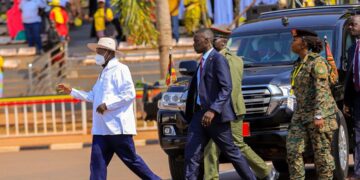
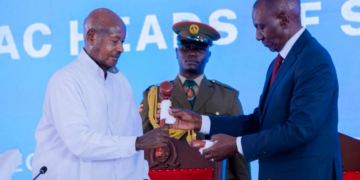
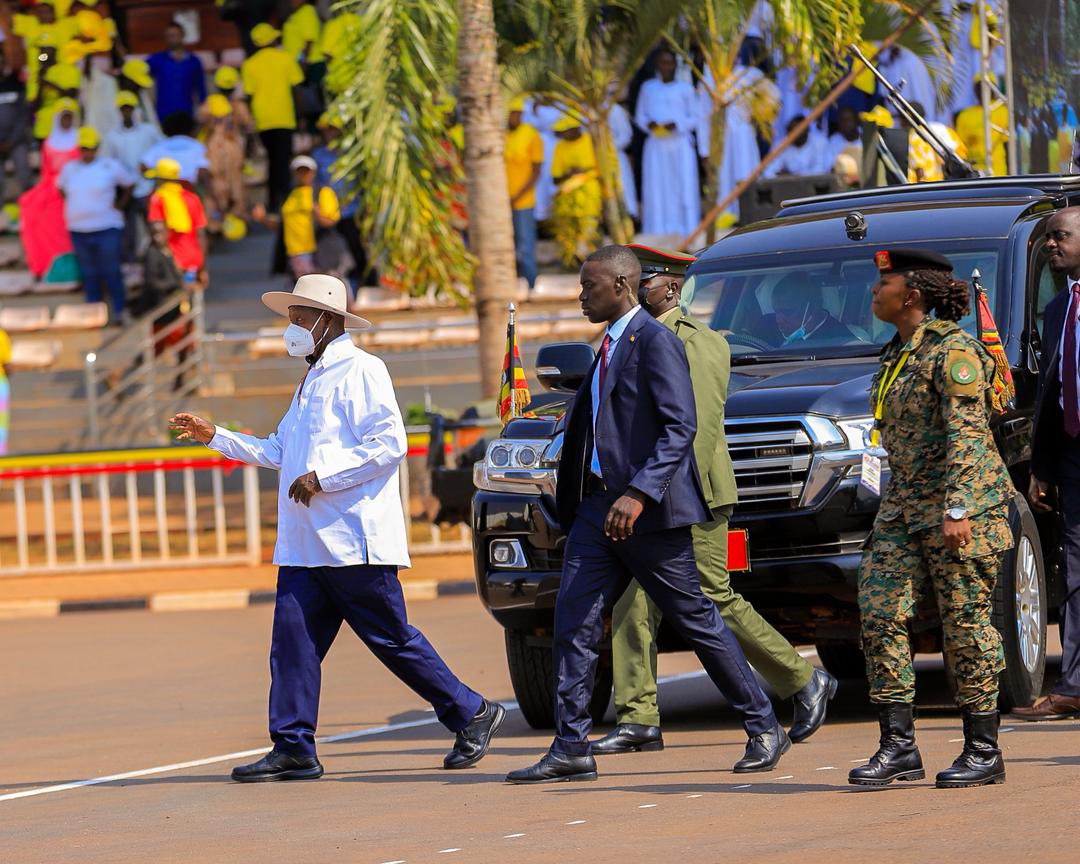
Speaking at the 40th Liberation Day celebrations at Kololo National Ceremonial Grounds on January 26, 2026, Museveni said Uganda’s economic transformation had progressed from post-war recovery to diversification, value addition, and the emergence of a knowledge-based economy. The celebrations, held under the theme “Tribute to the Patriots Who Ushered in a Fundamental Change,” came days after Museveni secured another term in office, winning the January 15 presidential election with 71 percent of the vote.
In his address, Museveni thanked God and Ugandans for the successful conclusion of the elections and saluted NRM members for their support. However, he expressed concern over low voter turnout among party supporters, saying internal records showed many eligible NRM members did not cast their ballots.
“I got eight million votes, but ten million NRM supporters did not turn up. That means some of our people stayed away,” he said, attributing the low turnout to intimidation by opposition supporters and indiscipline among sections of the NRM leadership. He alleged that some party supporters were threatened during the campaign period while law enforcement failed to act decisively.
Turning to the economy, Museveni said Uganda is currently growing at about seven percent annually and projected double-digit growth once oil production begins. “With oil, the economy will grow even faster. This year, your oil will start flowing,” he said, adding that Uganda had resisted external pressure to control its petroleum resources.
He acknowledged that a segment of the population remains trapped in subsistence production, tracing the challenge to colonial-era economic structures. At independence in 1962, he said, only about nine percent of Ugandans participated in the money economy. Progress remained slow until the NRM introduced wealth-creation programes such as Entandikwa and Operation Wealth Creation, which distributed agricultural inputs nationwide.
By 2019, 61 percent of Ugandans were in the money economy. The figure has now risen to 70 percent following the introduction of the Parish Development Model (PDM), which channels funds directly to communities. Museveni warned against misuse of PDM funds, citing cases where parish officials diverted resources for personal gain. He said guidelines would be tightened, funding increased—especially in urban parishes—and accountability enforced through arrests and prosecutions where necessary.
Museveni said government will priorities improving household incomes, strengthening healthcare and education, and maintaining rural roads. He also announced that the anti-corruption campaign would extend to the judiciary, praising Chief Justice Flavian Zeija for taking a firm stance against graft.
Minister for the Presidency Babirye Milly Babalanda congratulated Museveni on his re-election, describing the NRM’s 40-year journey as transformative. During the ceremony, 33 Ugandans received national medals for contributions to the liberation struggle and national development.
January 26 marks the day in 1986 when National Resistance Army fighters captured Kampala, bringing the NRM to power.