































By Patience Namuddu
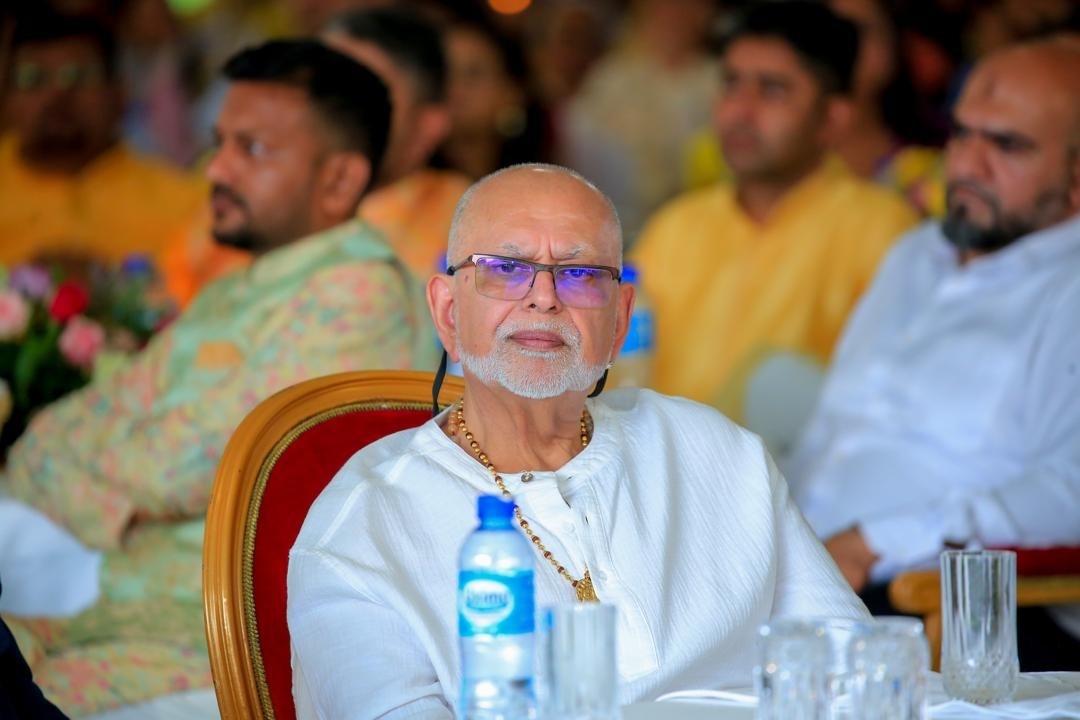
Ugandan investor Dr Sudhir Ruparelia says long-term success in real estate comes not from deep pockets but from disciplined decision-making, patience, and steady growth.
Ruparelia, founder and chairman of the Ruparelia Group, has over the years built one of the country’s largest private commercial property portfolios, alongside ventures in banking, insurance, education, hospitality, media, and floriculture. Yet he stresses that capital alone is not enough to guarantee sustainable returns.
“Cash flow is the lifeblood of any property business. You must know how money comes in and ensure it can sustain operations and future growth,” Ruparelia said.
The tycoon said many developers make the mistake of chasing rapid expansion through heavy borrowing, exposing projects to market fluctuations and interest rate volatility. Instead, he advocates for incremental growth, reinvesting profits over time, and allowing developments to mature organically.
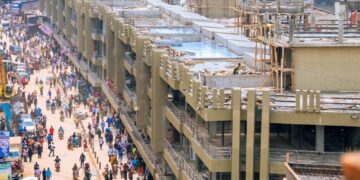
Kingdom Kampala, one of the group’s landmark mixed-use projects, reflects this strategy. The development combines retail, office space, hospitality, and entertainment, and has grown into one of Kampala’s busiest commercial hubs through phased development.
Building on that momentum, the group has launched Kingdom Kampala Phase Two, a twin-tower project aimed at expanding premium commercial and residential space in the city centre. The development is expected to create jobs, stimulate supply chains, and attract regional and international investors.
Beyond profit, Ruparelia sees real estate as a driver of economic growth and urban renewal. He has called on policymakers to maintain a stable investment environment, emphasising the importance of infrastructure, predictable regulations, and accessible financing to support long-term development.
As Uganda’s economy continues to expand, Ruparelia said the sector offers strong opportunities for investors who adopt a patient, disciplined approach. His message is clear: steady, thoughtful growth is more resilient than rapid, debt-driven expansion.