





























By ONC Media
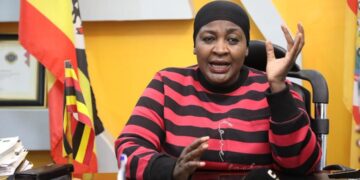
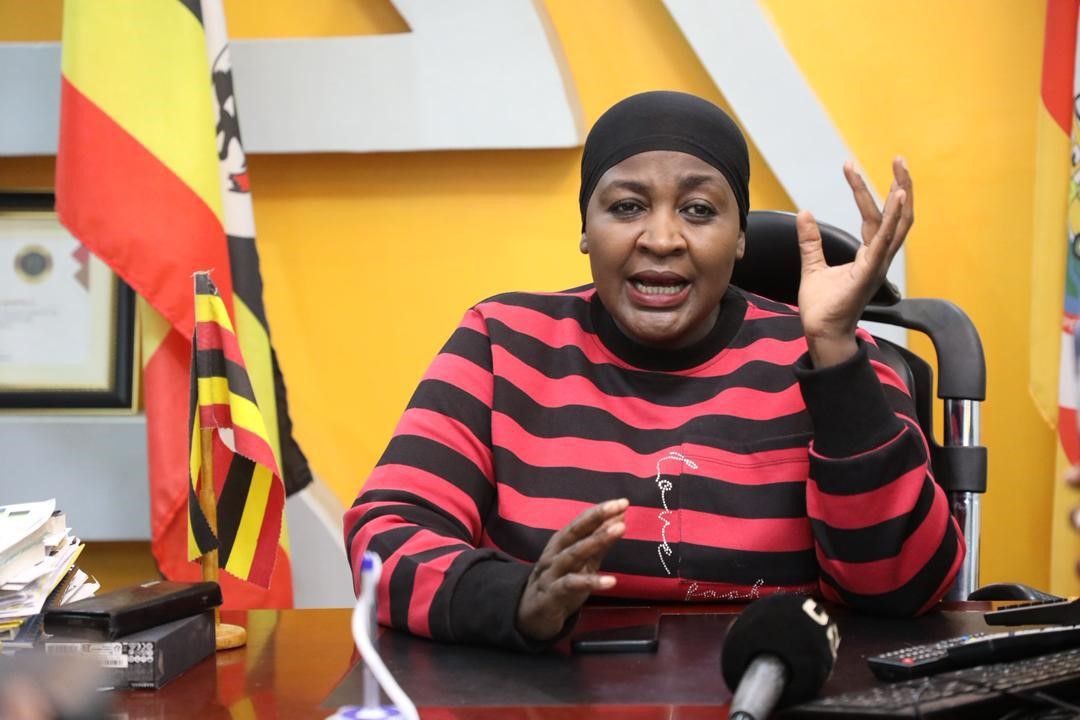
KAMPALA — Hajjat Hadijah Namyalo, Manager of the Office of the National Chairman (ONC), has urged the government to implement stricter regulations on TikTok, warning that the platform is increasingly used to circulate propaganda, false information, and harmful content affecting individuals and families.
Speaking from her Kyambogo office, Hajjat Namyalo announced plans to launch a national dialogue on digital accountability, stressing the urgent need for policies that curb online misuse while protecting citizens’ rights.
“TikTok is increasingly dominated by users spreading baseless information and malice, creating social tensions and damaging reputations,” she said.
As Chief Muzzukulu, Namyalo added that, with the support of President Yoweri Kaguta Museveni, she intends to push for a broader national discussion on justice, accountability, and the regulation of digital platforms. “Justice delayed is justice denied. No one should exploit digital spaces to harass or mislead others under the guise of influence,” she said.
Namyalo revealed that a policy document has already been drafted, proposing legal and regulatory measures to combat online misinformation, safeguard vulnerable groups, and prevent digital manipulation. She cautioned against the misuse of online influence, emphasizing that national progress cannot be built on fabricated information.
Global Trends in TikTok Oversight
Uganda’s debate reflects a global trend of stricter scrutiny of TikTok over concerns about disinformation, harmful content, and data privacy.
-
United States: Lawmakers are considering legislation that could require TikTok’s parent company to restructure or face a nationwide ban; several states have already restricted the app on government devices.
-
European Union: Under the Digital Services Act, platforms must actively combat misinformation or face penalties.
-
India: TikTok was banned in 2020 for national security and data protection reasons.
-
Other countries: Canada, the UK, France, and Australia have imposed various monitoring or restrictions for public sector use.
Analysts say these measures highlight the need to balance digital innovation with public safety, privacy, and responsible online behaviour.
Balancing Regulation and Freedom of Expression
Experts caution that regulation must not infringe on freedom of expression or access to information. Namyalo emphasized that the reforms aim to foster responsible online behaviour and promote justice, not suppress legitimate voices.
“The conversation about justice begins now,” she said, noting the initiative will aim for meaningful change across Uganda.
Observers say Uganda could soon join other nations redefining how social media platforms operate within legal frameworks, reflecting a growing global effort to ensure digital accountability and citizen protection.