































By Our Reporter
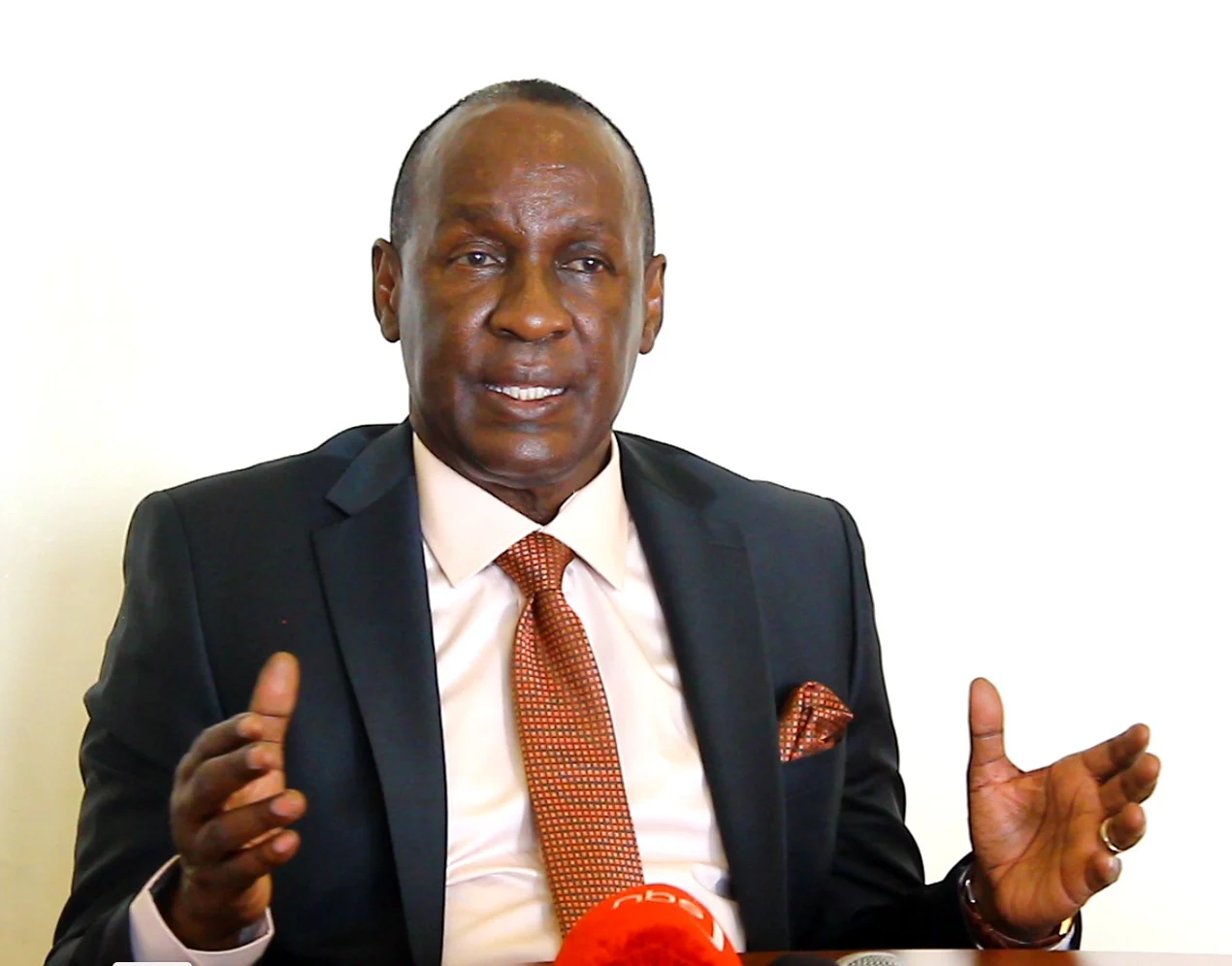
Aviation expert captain Mike Mukula has weighed in on the ongoing developments at Uganda Airlines, warning that the departure of chief executive officer Jenifer Bamuturaki, who stepped aside amid investigations into alleged mismanagement and corruption, will not by itself resolve the national carrier’s long-standing challenges.
In a series of posts on X, formerly Twitter, Mr Mukula argued that Uganda Airlines’ difficulties are rooted in systemic weaknesses rather than the actions of any single individual. He cautioned that replacing the chief executive without addressing governance and policy failures would merely perpetuate the cycle of underperformance.
“Firing the CEO of Uganda Airlines won’t fix anything. The real issue isn’t one person; it’s the system,” Mukula wrote. “If policies, oversight and incentives remain broken, the next CEO will simply repeat the same story.”
captain Mukula, a trained pilot and long-time commentator on the aviation sector, said the airline requires a comprehensive policy reset, stronger governance frameworks and benchmarking against successful international carriers. He argued that performance-based management, rather than politically influenced appointments, is critical to turning around the airline.
“You don’t fix a failing airline by changing the pilot. You fix the design,” he said, adding that Uganda Airlines must be run as a commercial enterprise, not as a political project.
He pointed to Ethiopian Airlines as a practical African model, citing its commercial autonomy, disciplined fleet planning, strong capitalization and professional management largely insulated from political interference.
According to captain Mukula, Uganda Airlines must be adequately capitalized to move away from what he described as “survival mode” and to support stable, long-term growth. He also emphasized the need for fleet discipline, arguing that operating no more than two aircraft types would reduce training, maintenance and inventory costs, while improving reliability and safety.
He further called for the establishment of an in-house maintenance, repair and overhaul (MRO) facility, saying this would lower operating costs, enhance technical self-reliance and, in the long term, generate additional revenue by servicing third-party aircraft.
On leadership, captain Mukula said the airline needs a chief executive with deep international airline experience, supported by a clear mandate and genuine authority to run the business on commercial principles. He added that the management team should comprise proven professionals in marketing, flight operations, maintenance engineering and financial control.
Mukula’s comments come as Uganda Airlines enters a critical transition period following the exit of Bamuturaki, whose tenure ended amid investigations by the Criminal Investigations Directorate and the State House Anti-Corruption Unit. Previous Auditor-General reports have raised concerns about weak governance, the absence of an approved staff structure, salary disparities and mounting losses at the airline.
President Museveni has since authorized the search for new leadership at the national carrier, with public debate intensifying over whether Uganda Airlines requires a change in leadership, a governance overhaul, or both.
For Mr Mukula, the solution is unambiguous.
“If governance is right, the right people are in place and politics is kept out, Uganda Airlines can become competitive, credible and profitable,” he said.