






























By Infora Media
KAMPALA — Uganda is making a concerted push into Central Europe’s travel market following a record year for the tourism sector, officials say. The move is part of a broader strategy to diversify source markets, attract new visitors, and maximise economic benefits for local communities.
In 2025, Uganda’s tourism sector earned a historic Shs6.1 trillion ($1.7 billion), with an estimated 1.65 million international arrivals. The Ministry of Tourism, Wildlife and Antiquities (MTWA) says this growth has created the perfect opportunity to expand into Central European markets, including Hungary, Poland, the Czech Republic and Slovakia.
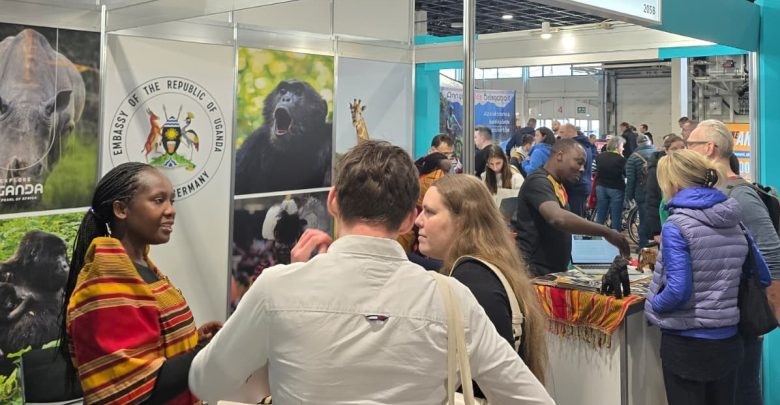
At the Budapest Tourism Expo, Ugandan officials, including representatives from the Uganda Embassy in Berlin, private tour operators, and tourism stakeholders, engaged with travel agencies, investors, and the media to promote Uganda’s travel products. The exhibition highlighted Uganda’s rich wildlife experiences, such as gorilla trekking in Bwindi Impenetrable Forest and chimpanzee tracking in Kibale, as well as adventure activities along the Nile in Jinja, cultural tours, and community-based tourism.
Col (Rtd) Tom Butime, Uganda’s Minister of Tourism, said the country is now positioning itself as a diverse and sustainable tourism destination that appeals to international travellers seeking unique and memorable experiences.
“Central European tourists are increasingly looking for adventure and cultural experiences that go beyond typical safari offerings. Uganda has a lot to offer, and we want them to see our country as a must-visit destination,” he said.
While traditional wildlife and safari tourism remain strong pillars, Uganda’s strategy focuses on broadening the appeal to new audiences. This includes adventure tourism along the Nile, hiking in scenic regions, cultural interactions with local communities, and eco-tourism initiatives. Officials also emphasised Uganda’s commitment to conservation, which ensures that growth in tourism benefits both nature and local communities.
Industry experts say targeting Central European markets is strategic because travellers from these countries spend longer, travel off-peak, and seek high-quality experiences, aligning with Uganda’s ambitions to increase tourist spending and average length of stay.
As part of the outreach, the government and private sector are forging partnerships with travel agencies and tour operators in Central Europe. Efforts include improving air connectivity, simplifying visa processes, and promoting Uganda as a safe, accessible, and culturally rich destination.
Tourism officials also hope these initiatives will strengthen regional economies, create employment opportunities, and ensure that local communities benefit directly from the sector’s growth.
Uganda’s success in 2025 has positioned the country to compete globally, with tourism emerging as a key contributor to economic development and foreign exchange earnings. By expanding into new markets like Central Europe, authorities hope to sustain the upward trend and cement Uganda’s reputation as Africa’s diverse adventure and wildlife destination.