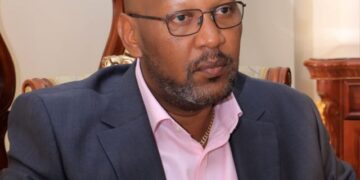










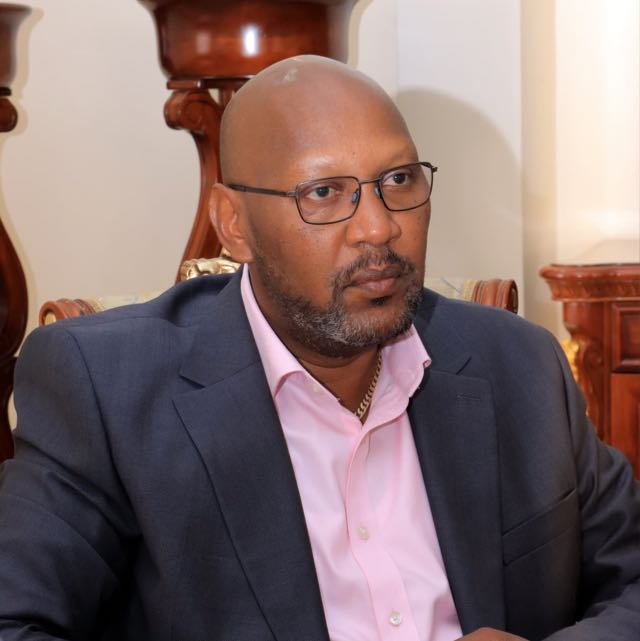
Tooro Kingdom has been plunged into fresh uncertainty following the resignation of its Prime Minister, Rt. Hon. Calvin Armstrong Rwomiire Akiiki, amid growing concerns over divisions and administrative disagreements within the cultural institution.
Rwomiire announced his departure on Saturday, November 21, 2026, confirming that he had formally submitted his resignation to the reigning monarch, His Majesty Omukama Edward Rukidi Nyabongo I.
In a statement shared on his official X account, the outgoing Prime Minister said his decision followed considerable reflection on the state of affairs within the kingdom, particularly what he described as increasing polarisation that was threatening its ability to serve the people of Tooro.
He said the interests of the kingdom should take precedence over individual positions and ambitions, arguing that reconciliation and institutional stability were necessary for its future.
Rwomiire explained that although personal considerations also influenced his decision, his main concern was to create an opportunity for the cultural institution to address its internal disagreements and rebuild unity.
He disclosed that he had separately submitted a detailed communication to the Omukama explaining the circumstances surrounding his resignation.
The outgoing premier also expressed appreciation to the late Omukama Oyo Nyimba Kabamba Iguru Rukidi IV, who appointed him to the position, as well as the current monarch, members of the kingdom’s cabinet, his family and the people of Tooro.
He maintained that leaving office did not mean abandoning the kingdom, insisting that its long-term interests should remain above individual leadership positions.
Disagreements during royal transition
The resignation comes at a sensitive period for Tooro Kingdom, which has been navigating leadership and administrative changes following the death of its former monarch, Omukama Oyo Nyimba Kabamba Iguru Rukidi IV, in the United States on August 27, 2026.
Following the succession process, Omukama Edward Rukidi Nyabongo I was crowned on September 29, 2026.
In early October, the new monarch retained Rwomiire as interim Prime Minister for a six-month transitional period, an arrangement intended to provide continuity in the kingdom’s administration.
Rwomiire had assumed the premiership in February 2025 after previously serving as Deputy Prime Minister responsible for Planning and Investment.
However, his continued tenure appears to have been complicated by disagreements over the administration of the kingdom and the role of the Prime Minister’s office.
According to accounts contained in a 42-page report reportedly submitted to the monarch on November 12, Rwomiire raised concerns about what he described as a breakdown in working relationships, inadequate consultation and reversals of appointments made through his office.
The report also reportedly questioned the involvement of his office in important kingdom activities, including preparations surrounding the late monarch’s burial, the coronation of his successor and proceedings of the Orukurato, the kingdom’s legislative institution.
Rwomiire further alleged that some individuals within the palace administration had undermined his office. The claims had not been independently established by the time of publication.
Questions over kingdom administration
The latest development adds another chapter to the challenges facing Tooro Kingdom following the change of monarch.
The succession period has attracted public attention, including disagreements involving sections of the late king’s family and members of the Babiito clan over aspects of the transition.
The Prime Minister’s departure also raises questions about the continuity of administrative responsibilities during the six-month transitional arrangement and who will assume the office as the kingdom considers its next steps.
By Saturday evening, there was no official response from the kingdom addressing the resignation or announcing a replacement.
Rwomiire’s departure leaves the new administration facing the task of addressing the concerns he raised while maintaining stability and confidence in the kingdom’s leadership structures.