









Kampala. The roar of engines returned to Kampala on Sunday, not for competition but remembrance, as Uganda’s motorsport fraternity marked one year since the death of rally driver and businessman Rajiv Ruparelia with a memorial event that blended tribute, charity and renewed calls for improved road safety.
Organised by the Rajiv Ruparelia Rally Team, TT Drags and Drifts Uganda, and the Federation of Motorsport Clubs of Uganda, the “Remembering RR” commemorations drew hundreds of participants, including rally drivers, business leaders and members of the public.
The events served both as a celebration of Rajiv’s legacy and a reflection on the broader concerns surrounding road safety in Uganda.
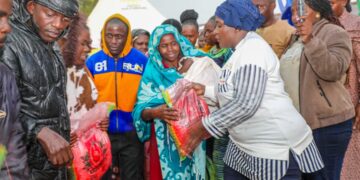
The day began at Mulago National Referral Hospital, where organisers conducted a prosthetic leg donation drive for amputees, continuing a charitable tradition associated with Rajiv’s community outreach efforts.
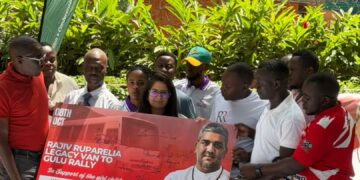
Participants later joined a memorial convoy that flagged off from Pearl Tower along Yusuf Lule Road before proceeding through key city routes including Jinja Road and Entebbe Road.
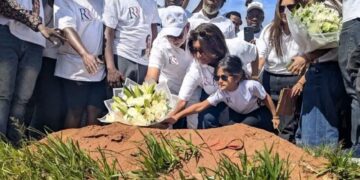
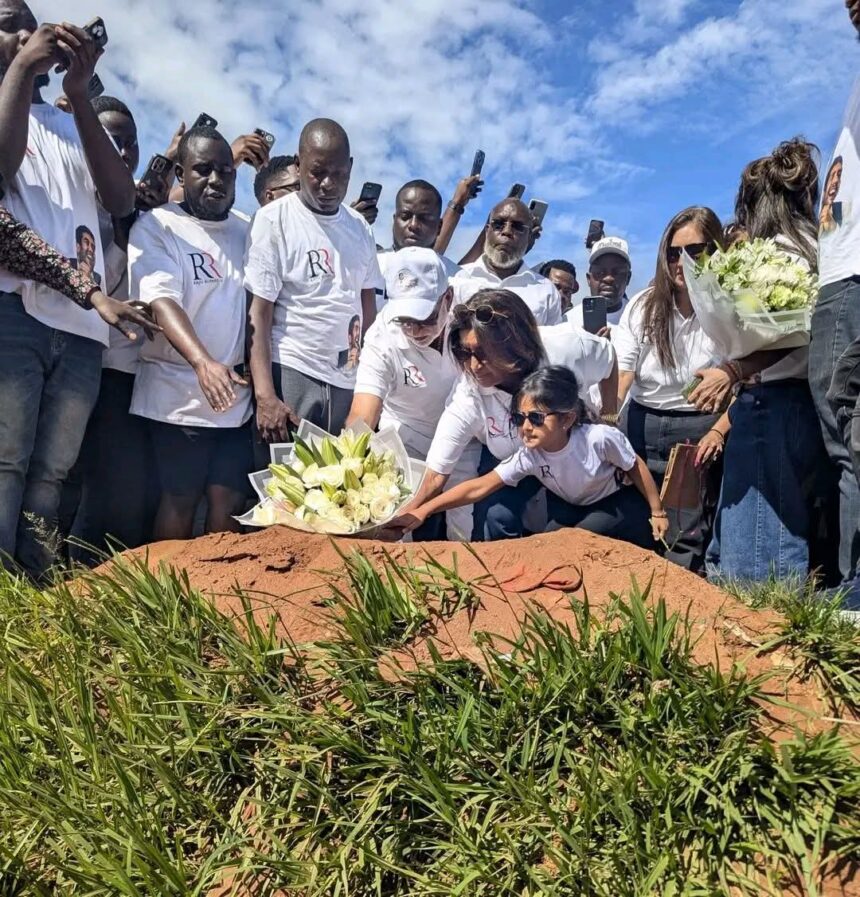
The convoy paused at the Busabala roundabout, the site where Rajiv died in a fatal crash involving his Nissan GT-R in May last year, where mourners laid flowers in his honour.
The commemorations concluded with prayers and a candlelight vigil at Speke Resort Munyonyo, where Rajiv previously served as director.
At the time of his death, Rajiv was the managing director of the Ruparelia Group and had built a growing profile as one of Uganda’s most visible motorsport enthusiasts.
Beyond business, he was widely credited with helping popularise motorsport among young Ugandans and supporting initiatives aimed at youth empowerment. His death at age 35 sent shockwaves through both the corporate and sporting communities.
A year later, his memory continues to rally support across sectors, reflecting the impact he had both on and off the track.
While Sunday’s tribute celebrated Rajiv’s life, it also cast fresh attention on Uganda’s persistent road safety challenges.
Road crashes continue to claim hundreds of lives annually, with experts frequently citing poor road infrastructure, speeding, weak traffic law enforcement and delayed emergency response as major contributing factors.
Rajiv’s death, because of his public profile, drew exceptional national attention.
For many observers, however, it also highlighted the reality faced daily by ordinary Ugandans who fall victim to road accidents with little public notice. The contrast has renewed debate about whether high-profile tragedies can become catalysts for broader reforms.
The prosthetic donation exercise was widely praised as a practical intervention that directly benefits vulnerable citizens.
However, while such initiatives offer immediate relief, they cannot replace long-term investment in prevention.
Road safety advocates argue that Uganda requires stronger traffic enforcement, safer road design, improved trauma care systems and sustained public awareness campaigns if accident-related injuries and fatalities are to be reduced.
The strong turnout at the memorial also reflected the growing organisation of Uganda’s motorsport community.
What was once viewed as a niche sporting interest is increasingly emerging as a platform for youth engagement, skills development and tourism promotion.
Stakeholders say that with better regulation, dedicated racing facilities and institutional support, motorsport could develop into a more structured sector while reducing the risks associated with informal racing culture.
As engines fell silent and candles dimmed in Munyonyo, the memorial left behind a larger question.
Will remembrance translate into action?
For many, the most fitting tribute to Rajiv Ruparelia would not simply be annual convoys or vigils, but meaningful policy measures that make Uganda’s roads safer for all.
If Sunday’s events carried a message, it was clear: remembrance must be matched by reform.