








By UWA Media Crew
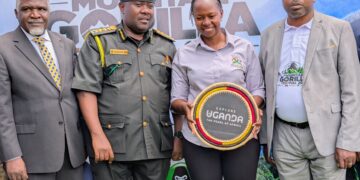
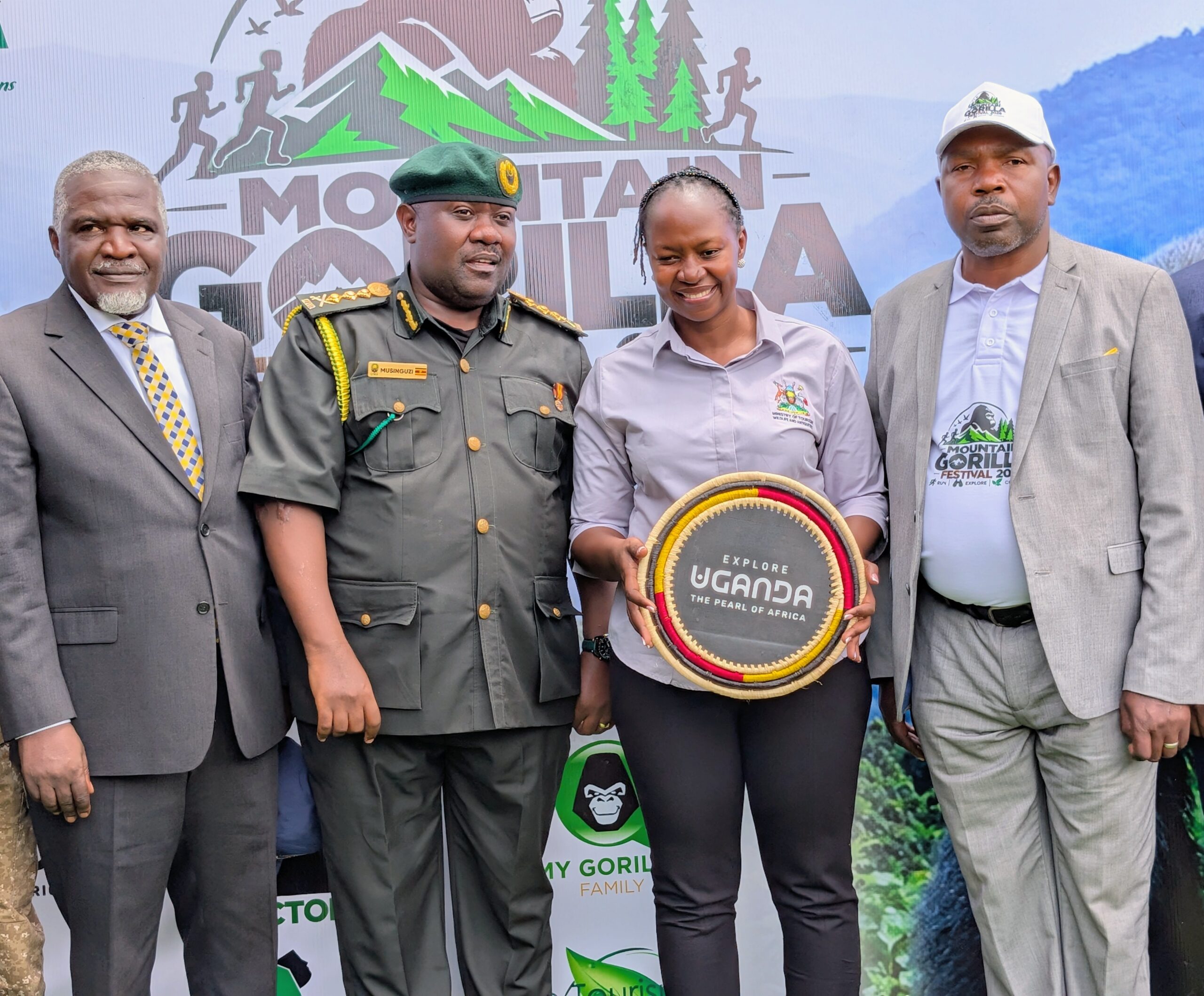
KISORO – State Minister for Tourism, Wildlife and Antiquities Susan Nakawuki Nsambu and Uganda Wildlife Authority (UWA) Executive Director Dr James Musinguzi have called on communities neighbouring Uganda’s protected areas to take an active role in mountain gorilla conservation while tapping into the economic opportunities created by tourism.
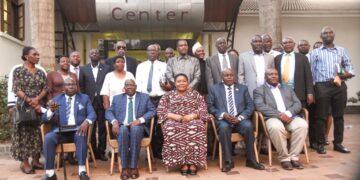
The call was made during the opening conservation conference of the 2026 Mountain Gorilla Festival held in Rubuguri Town Council, Bukimbiri County, Kisoro District, where government officials, conservation partners and community leaders discussed ways of strengthening wildlife protection while improving the livelihoods of people living alongside protected areas.
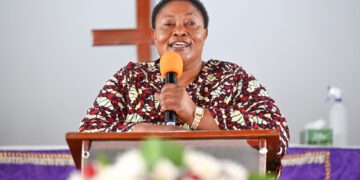
Minister Nakawuki described mountain gorilla tourism as a major contributor to Uganda’s economy, emphasising the need to protect the country’s natural heritage while ensuring that surrounding communities receive meaningful economic benefits from conservation.
She noted that Uganda hosts more than half of the world’s mountain gorilla population, making the country an important destination for international wildlife tourism. She identified Bwindi Impenetrable National Park and Mgahinga Gorilla National Park as significant contributors to Uganda’s tourism earnings.
According to Nakawuki, tourism supports more than one million jobs across the country through accommodation, transportation, tour guiding, food supplies, handicrafts and other related services.
She urged communities in Kisoro and neighbouring areas to position themselves as active participants in the tourism value chain rather than remaining spectators as visitors arrive to enjoy the country’s natural attractions.
The Minister encouraged local farmers and entrepreneurs to supply hotels and lodges with locally produced food, including chicken, eggs, fruits, vegetables, coffee and bananas, saying such partnerships would allow tourism revenue to circulate within communities.
She also called for the diversification of tourism products beyond gorilla tracking, which often takes visitors only a day, arguing that cultural experiences could encourage tourists to extend their stays and spend more money in the region.
Nakawuki specifically highlighted Batwa and Bakiga cultural heritage as valuable tourism products that could create additional employment opportunities while preserving the traditions and identity of local communities.
However, she cautioned against infrastructure developments that could negatively affect wildlife habitats, particularly road projects around gorilla conservation areas.
She said government must strike a balance between improving connectivity and protecting the fragile environment, warning that excessive traffic, noise and pollution could disturb mountain gorillas and potentially force them to abandon their habitats.
UWA Strengthens Community Partnerships
UWA Executive Director Dr James Musinguzi reinforced the Minister’s message, stressing that sustainable wildlife conservation cannot be achieved without the support and cooperation of communities living near protected areas.
“An angry and hungry community cannot effectively protect wildlife,” Musinguzi observed, highlighting the importance of ensuring that conservation translates into tangible improvements in people’s lives.
He said UWA was strengthening partnerships with surrounding communities through skills development, alternative livelihood initiatives and programmes designed to enable residents to participate in the tourism industry.
Among the initiatives highlighted were a model craft village, carpentry training and hospitality skills development, including cooking, to equip residents with practical skills that could help them secure employment or establish businesses serving tourists.
Musinguzi also announced that UWA had acquired a new road construction unit comprising a grader, excavator and bulldozer to improve access roads, particularly those leading to tourism attractions and gorilla-tracking areas.
He thanked Rubuguri Town Council for providing land for the establishment of a Visitor Information Centre, which was scheduled for commissioning during the festival.
The facility is expected to strengthen tourism information services and improve the visitor experience in the area.
On conservation expansion, Musinguzi revealed that UWA had taken over the management of Echuya Central Forest Reserve and was exploring opportunities to expand gorilla habitats and establish corridors connecting Bwindi and Echuya.
He said the proposed conservation efforts would require cooperation with communities surrounding the forest to ensure that habitat protection and local livelihood interests are addressed together.
Musinguzi further cited Uganda’s previous mountain gorilla census figure of 459, adding that another census was expected to provide updated population numbers.
He also announced plans to introduce Gorilla Guardians to strengthen community participation in conservation, including supporting the promotion and sale of locally made crafts.
EU Commits Support to Sustainable Tourism
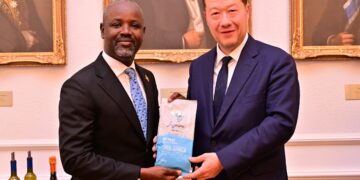
European Union Deputy Ambassador Eole Sury reaffirmed the EU’s commitment to biodiversity conservation and sustainable tourism in Uganda, emphasising that communities living near protected areas must experience direct benefits from protecting wildlife and natural resources.
She highlighted the EU-funded Sustainable Tourism Value Chain Programme, a four-year initiative worth 15 million euros, designed to make Uganda’s nature-based tourism sector more inclusive, competitive and sustainable.
Sury also confirmed EU financial support for the Virunga Gorilla Marathon, one of the major activities under the 2026 Mountain Gorilla Festival.
She pointed to other EU-backed interventions supporting forest protection, restoration and sustainable livelihoods, noting that conservation efforts are more effective when local communities are recognised as important partners.
MP Calls for Better Tourism Infrastructure
Bukimbiri County MP Eddie Kwizera Wa-Gahungu called for increased government investment in tourism infrastructure, improved roads and stronger financial support for UWA.
He also urged government to institutionalise the Mountain Gorilla Festival as an annual national event supported by a dedicated budget.
Kwizera noted that the tourism sector was an important source of revenue and employment in Kisoro, pointing out that his constituency alone has more than 36 hotels that depend on visitors attracted by the region’s natural and cultural attractions.
He emphasised that better infrastructure would help unlock the area’s tourism potential and create more opportunities for residents.
The legislator also highlighted progress towards the proposed 17-kilometre Kisoro-Bukoma road section, saying government had agreed to use a force-account arrangement to advance the works.
He noted, however, that compensation and environmental considerations remained important issues in implementing infrastructure projects around conservation areas.
Kisoro District LCV Chairman Richard Ndyana welcomed UWA’s acquisition of road construction equipment, saying improved road access would benefit both residents and tourists visiting attractions across the district.
He also appealed for scholarship opportunities for children from communities neighbouring protected areas, arguing that investment in education would help improve household welfare and strengthen local support for conservation.
Festival Promotes Conservation and Community Empowerment
The conservation conference forms part of the 2026 Mountain Gorilla Festival, organised under the theme “Protecting Gorillas, Empowering Communities.”
The festival features several activities aimed at promoting wildlife conservation, sustainable tourism and community participation.
Key highlights include the launch of the My Gorilla application, the unveiling of the Rubuguri Visitor Information Centre and the launch of a community skilling centre.
The programme also features cultural exhibitions showcasing the heritage of communities around the gorilla conservation landscape, alongside the Virunga Gorilla Marathon scheduled to conclude the festival on November 22.
The festival provides a platform for government institutions, conservation organisations, development partners and local communities to strengthen collaboration in protecting Uganda’s mountain gorillas.
Through improved infrastructure, skills development, cultural tourism and community-based enterprises, stakeholders hope to ensure that conservation becomes not only a national and global responsibility but also a source of sustainable economic opportunities for the people living alongside Uganda’s protected areas.