









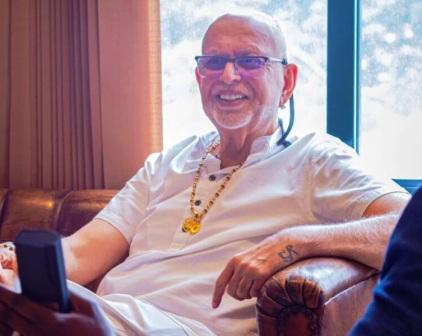
KAMPALA – Ugandan businessman and Ruparelia Group Chairman Dr Sudhir Ruparelia is playing a significant role in the development of Uganda’s hospitality and tourism industry through investments in hotels, resorts, leisure facilities and conference infrastructure.
His investments are contributing to the expansion of Uganda’s accommodation capacity, strengthening the country’s ability to host international conferences and creating employment opportunities across the hospitality value chain.
Through the Ruparelia Group, Sudhir has established a diverse hospitality portfolio that includes Speke Resort Munyonyo, Munyonyo Commonwealth Resort, Speke Hotel, Kabira Country Club, Forest Cottages, Dolphin Suites, Speke Apartments and Paradise Island Resort.
These establishments serve different segments of the tourism market, including international visitors, domestic holidaymakers, corporate travellers and conference delegates.
Strengthening Uganda’s Conference Tourism
One of the most notable contributions of Sudhir’s hospitality investments is the development of facilities that position Uganda as a destination for international meetings, conferences and exhibitions.
Speke Resort Munyonyo has become an important venue for major national, regional and international gatherings, providing accommodation, conference facilities and leisure services under one destination.
The resort’s convention centre was developed through a partnership between the Government of Uganda, through the Uganda Development Corporation, and Meera Investments, with both parties holding equal stakes in the project.
The Shs147 billion facility was designed to strengthen Uganda’s capacity to attract large international conferences and business events.
Its conference infrastructure has supported major international engagements, including the Non-Aligned Movement Summit and the Third South Summit of the G77 and China, which Uganda hosted in January 2024.
Such events bring together government officials, diplomats, business executives and international delegates, generating demand for accommodation, transportation, catering, event management and other tourism-related services.
By expanding the country’s conference facilities, these investments contribute to Uganda’s ambition of developing business tourism alongside its traditional wildlife and nature-based tourism products.
Expanding Uganda’s Hospitality and Leisure Experiences
Beyond conference tourism, Sudhir’s investments have contributed to the diversification of Uganda’s leisure and accommodation offerings.
His hospitality portfolio includes facilities targeting different customer preferences, from luxury accommodation and business travel to family recreation and nature-based experiences.
Paradise Island Resort, situated on Lake Victoria, adds another dimension to the country’s leisure tourism offering. The private island development provides accommodation and recreational experiences in a lakeside setting, broadening the range of destinations available to visitors around the Greater Kampala metropolitan area.
Kabira Country Club offers accommodation, sports and recreational facilities, while Forest Cottages provides a nature-inspired hospitality experience within Kampala.
Other establishments, including Speke Hotel, Dolphin Suites and Speke Apartments, cater to business travellers, tourists and visitors seeking different accommodation options.
The diversity of these facilities helps expand the hospitality market and gives visitors more opportunities to experience Uganda without necessarily travelling long distances to national parks and other traditional tourism destinations.
Creating Employment and Supporting Local Businesses
The hospitality industry is among the sectors that provide employment opportunities across a wide range of professional and service occupations.
Hotels and resorts require chefs, waiters, receptionists, housekeepers, accountants, engineers, security personnel, gardeners, maintenance workers and management professionals to support their daily operations.
Large conference facilities also create demand for event organisers, technical specialists, transport operators and other service providers.
Sudhir’s wider business interests provide employment to thousands of Ugandans across different sectors. His hospitality investments form part of this broader business activity, although a separate employment breakdown for the tourism portfolio would be needed to establish the direct contribution of the hotel businesses.
The economic impact also extends beyond permanent hotel employees.
Hospitality establishments depend on farmers, food suppliers, transport companies, cleaning services, construction firms and other local enterprises for their daily operations.
Purchasing agricultural produce, meat, beverages, furniture, linen and maintenance materials creates business opportunities for local suppliers while supporting livelihoods across different parts of the economy.
This relationship between hospitality businesses and domestic suppliers helps circulate money within the economy and strengthens linkages between tourism and other productive sectors.
Tourism Investment and Economic Growth
The contribution of large hospitality investments extends beyond accommodation and recreation.
Developing and operating hotels, resorts and convention facilities requires significant capital investment, construction expertise, professional services and supporting infrastructure.
These activities stimulate demand across several industries, including construction, manufacturing, transportation, agriculture and financial services.
Once operational, the establishments contribute to economic activity through employee salaries, procurement, taxes, visitor spending and payments to service providers.
International tourists and conference delegates also bring foreign exchange into the country through spending on accommodation, dining, transportation, shopping and excursions.
For Uganda, attracting more international visitors and hosting major business events provides an opportunity to increase tourism earnings while supporting enterprises that depend on visitor expenditure.
Sudhir’s investments demonstrate how domestic private-sector participation can complement government efforts to develop tourism infrastructure, attract visitors and strengthen Uganda’s position as a regional destination for business and leisure travel.
Private Sector’s Role in Uganda’s Tourism Future
As Uganda continues to promote its tourism potential, investment in quality accommodation, conference facilities, leisure destinations and supporting services will remain important.
The sector’s continued growth will depend on collaboration between government, private investors, tourism operators and local communities.
Through the Ruparelia Group, Sudhir has developed a substantial presence in Uganda’s hospitality industry, with investments serving both domestic and international markets.
His business activities illustrate the contribution that private capital can make to tourism infrastructure, employment, local enterprise development and the wider economy.
As Uganda seeks to attract more international tourists, conferences and investment, the development of modern hospitality facilities will remain an important part of its efforts to grow the tourism sector and create economic opportunities for Ugandans.