












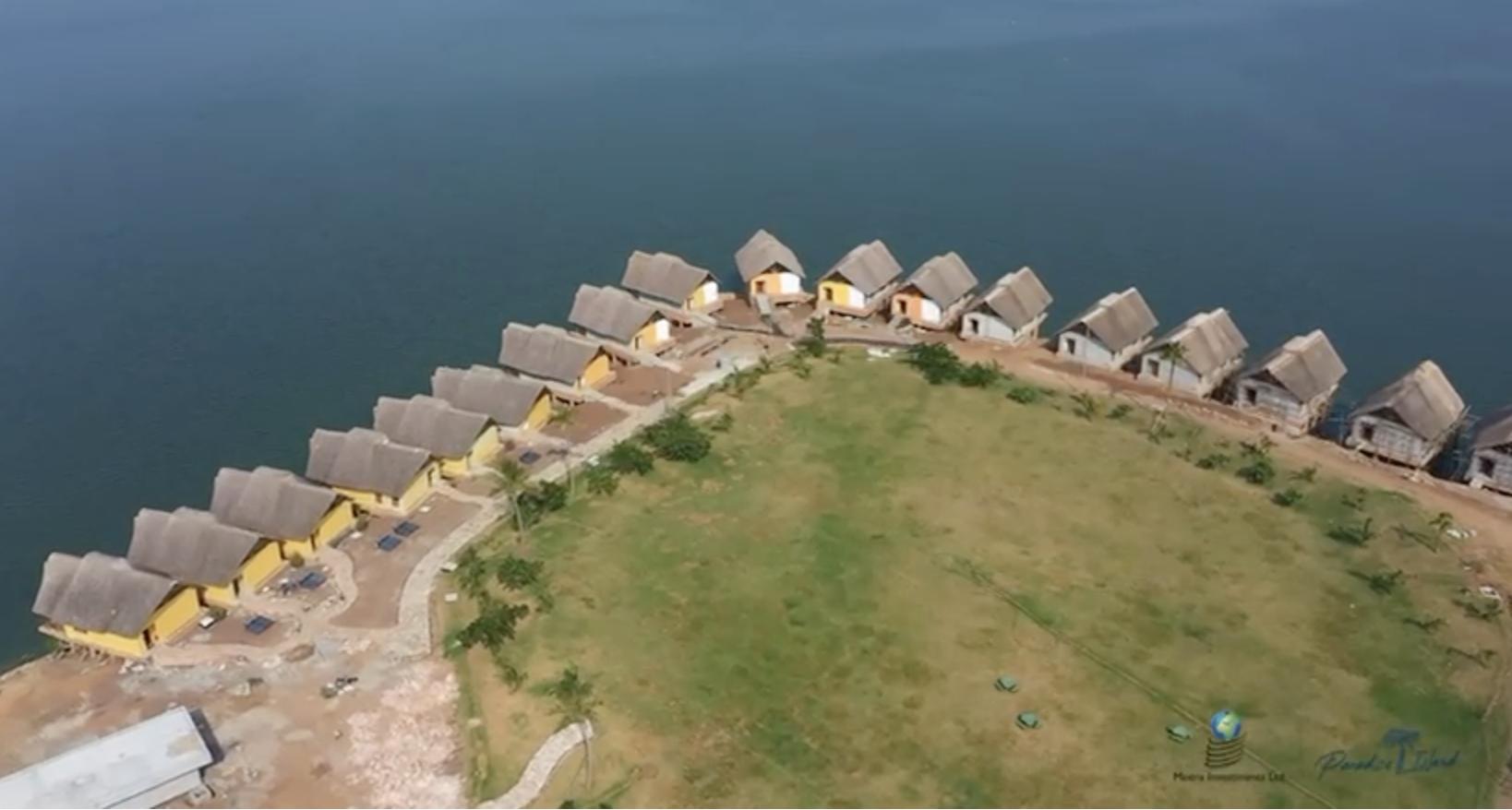
The Ruparelia Group development is combining private island accommodation with renewable energy in a bid to showcase a different approach to Uganda’s hospitality industry.
A luxury island getaway on Lake Victoria is drawing attention to the role renewable energy could play in shaping Uganda’s tourism industry, with Paradise Island Resort placing solar power at the centre of its hospitality model.
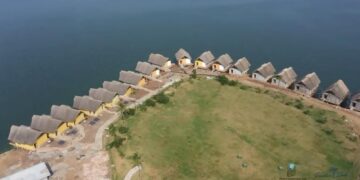
The 19-acre development, owned by the Ruparelia Group, is designed to offer visitors an exclusive island experience while relying on solar energy to support its operations.
Located approximately 10 kilometres offshore, the resort is accessible by speedboat from Speke Resort Munyonyo, with the journey taking about 20 minutes.
Its approach reflects growing interest in tourism facilities that combine modern accommodation with energy solutions intended to reduce dependence on conventional fossil fuels.
Director Sheena Ruparelia has described the property’s energy model as fully solar-powered.
“We are 100 per cent an eco-lodge. The island runs on solar,” she said.
An island development built around renewable energy
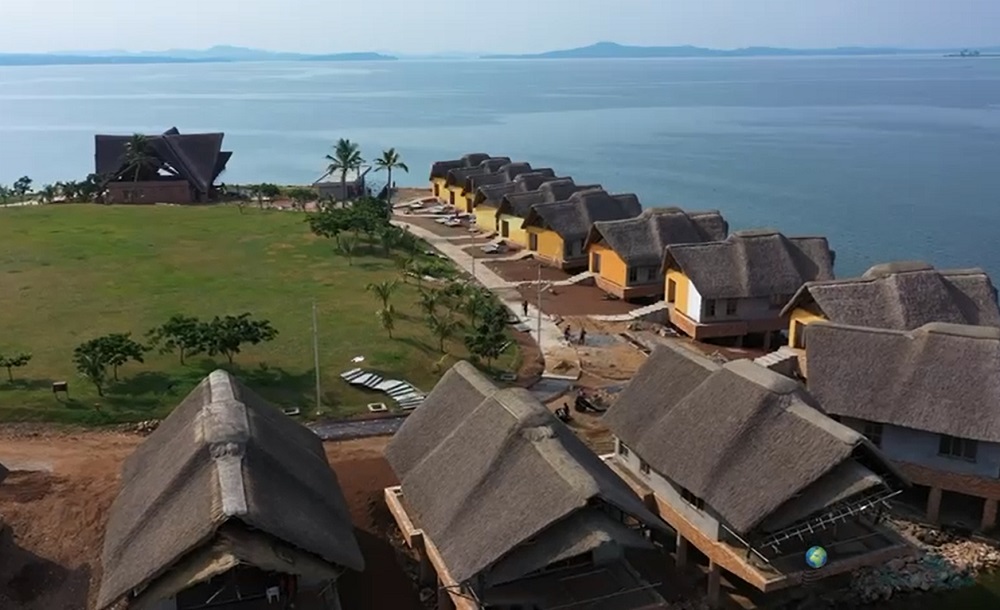
Running a hospitality business on an island requires careful planning, particularly when it comes to electricity, water supply, transportation and the movement of essential supplies.
For Paradise Island Resort, solar energy is a central part of the development’s operational concept.
The resort’s management presents renewable energy as an alternative to the conventional use of diesel generators in remote hospitality facilities.
Reducing dependence on diesel can help limit emissions associated with fuel consumption and reduce the need to transport fuel to the island. It can also minimise generator noise, an important consideration for a destination whose appeal is closely connected to its natural surroundings.
The resort’s model highlights the potential for renewable energy to support tourism investments beyond areas with easy access to conventional electricity infrastructure.
Accommodation designed for different visitor experiences
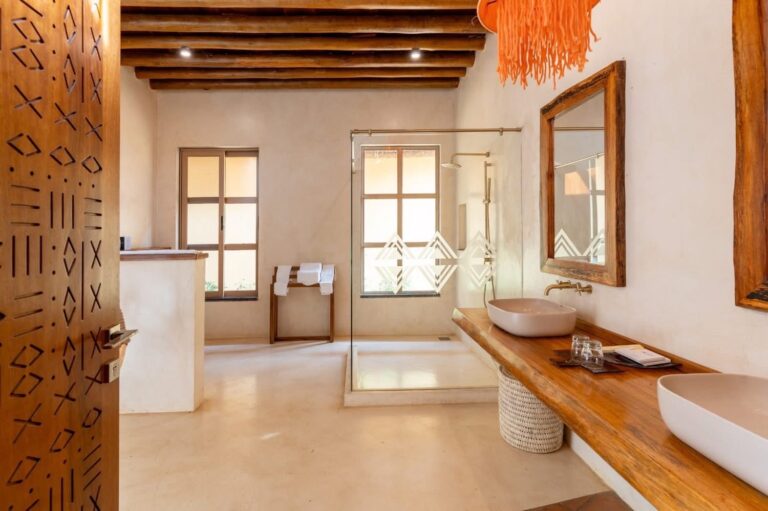
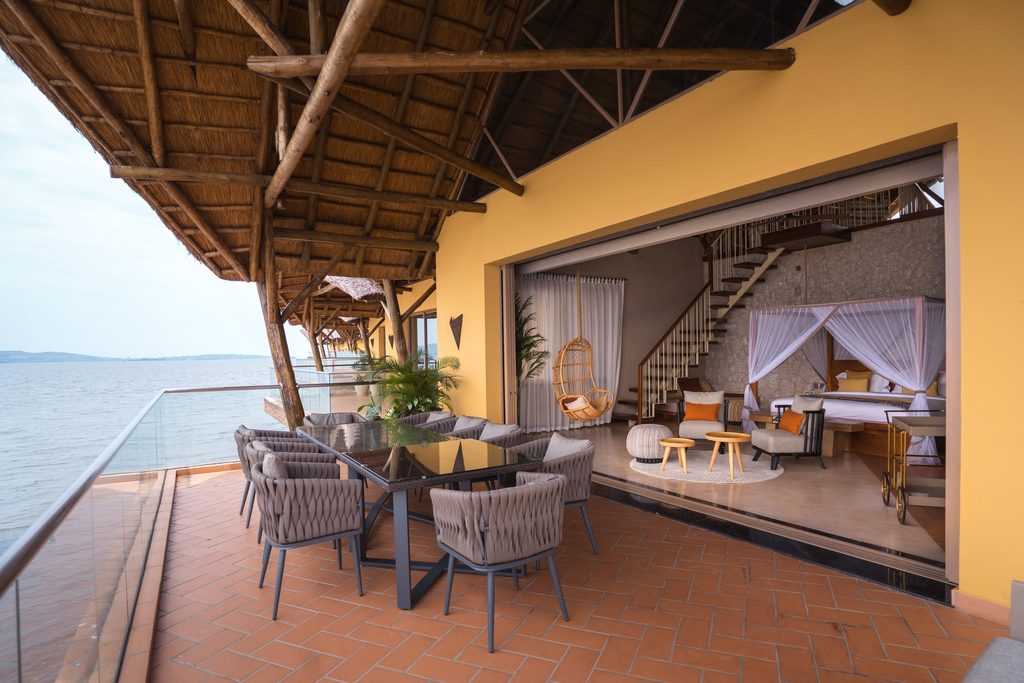
Beyond its energy concept, Paradise Island Resort has been developed as a private getaway with different accommodation options for visitors.
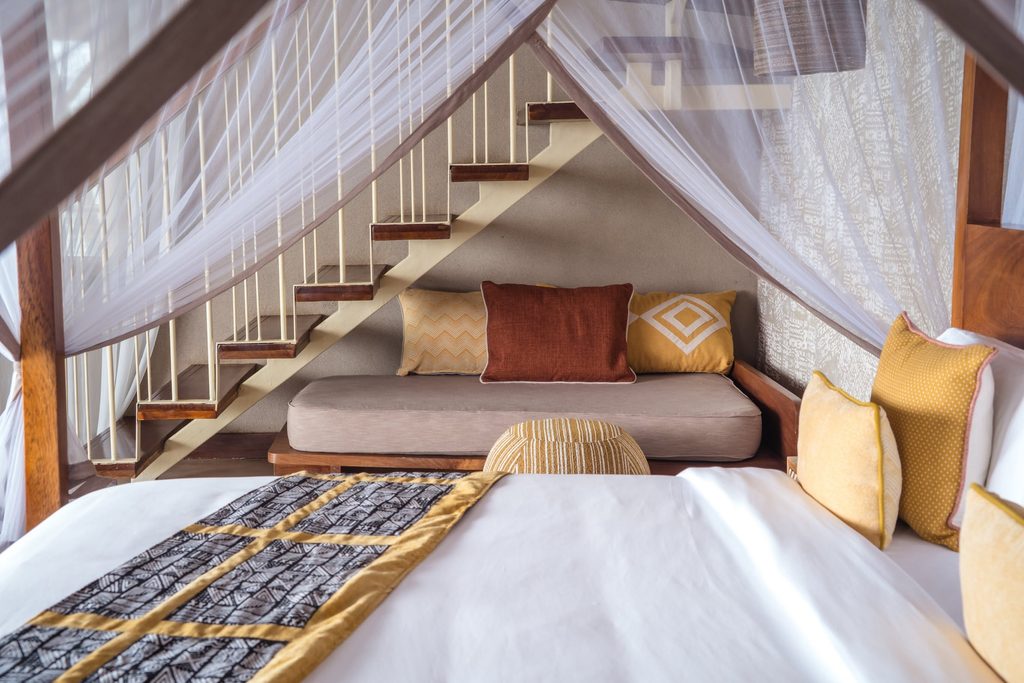
The project features 38 accommodation units, comprising 10 standard cottages, 11 cliff-hanger suites, 14 two-bedroom deluxe cottages and three executive villas.
The different categories are intended to serve individuals, couples, families and groups seeking accommodation in a secluded lakeside setting.
The island’s natural landscape, including its vegetation, rocky formations and expansive Lake Victoria views, forms an important part of the visitor experience.
The development also incorporates modern hospitality facilities, seeking to combine the privacy of an island retreat with the amenities expected at a luxury resort.
The logistics behind a private island resort
Operating a resort away from the mainland involves more than constructing accommodation and installing energy infrastructure.
Food, equipment, construction materials and other supplies must be transported across the lake, making logistics an important part of daily operations.
Paradise Island Resort uses a specially designed flat-bottomed barge to facilitate the movement of supplies to the island.
This infrastructure reflects the practical demands of maintaining a hospitality destination in a location where road transport is not available.
The development was conceived in May 2021 by Sheena Ruparelia and her late husband, Rajiv Ruparelia, as a lifestyle destination on Lake Victoria.
What it could mean for Uganda’s tourism industry
Uganda’s tourism sector is widely associated with wildlife safaris, gorilla trekking, cultural attractions and national parks. However, Lake Victoria also presents opportunities for investment in island tourism, water-based recreation and high-end hospitality.
Projects such as Paradise Island Resort add to the range of experiences available to visitors while drawing attention to the importance of sustainable energy in tourism development.
The resort’s solar-powered concept could also encourage conversations about how investors can incorporate renewable energy into facilities operating in environmentally sensitive or remote locations.
For Uganda, the opportunity is not only to attract more visitors but also to develop tourism facilities that make responsible use of natural resources.
Paradise Island Resort brings together two aspects of that ambition: luxury hospitality and renewable energy. Its long-term contribution will depend on how effectively the development maintains its environmental commitments while delivering a reliable visitor experience.