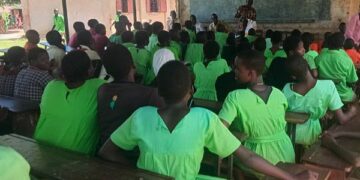









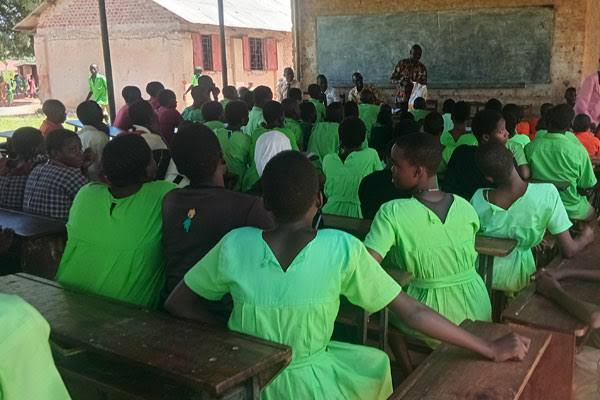
As Uganda prepares for the 2026 Primary Leaving Examinations (PLE), the experiences of three pregnant Primary Seven candidates at Kichinjaji Primary School in Soroti City have brought renewed attention to the challenges facing adolescent girls seeking to complete their education.
The school administration has appealed to parents and guardians to support the candidates emotionally and physically as they prepare for their examinations scheduled for November 3 and 4.
One of the three girls recently gave birth, prompting the school to make arrangements for the pupil’s mother to remain at the premises during the examination period to assist with childcare.
The school’s approach reflects growing calls for education institutions and families to ensure that pregnancy does not automatically bring a girl’s academic journey to an end.
The case comes amid wider concerns about teenage pregnancy and school dropout in Uganda. A report published by Daily Monitor on October 29 cited Ministry of Health estimates indicating that approximately 1,000 teenage girls become pregnant every day in the country. It also highlighted the barriers that prevent adolescent mothers from returning to school.
In another recent report, religious leaders and school administrators called for stronger support systems to help pregnant learners and adolescent mothers resume their education, including improved counselling and flexible learning arrangements.
The Uganda National Examinations Board has maintained that registered candidates should be supported to complete their examinations, irrespective of pregnancy or motherhood, provided they are able to sit the papers.
Meanwhile, Soroti City Inspector of Schools Simon Opolot reported that 3,440 candidates had registered for this year’s PLE across the city.
School administrators have also been reminded to allow all registered candidates to sit their examinations regardless of outstanding school fees, with financial disputes handled separately.
The developments highlight the importance of collaboration between schools, parents, education authorities and communities in protecting children’s right to education.
As the country prepares for the national examinations, the experience in Soroti raises a wider question: how can Uganda strengthen support for adolescent mothers to ensure that teenage pregnancy does not permanently interrupt their education?