
















Transport operators in Uganda’s Lango sub-region have increased passenger fares to Kampala by at least Shs10,000, citing rising fuel prices and vehicle maintenance costs that are putting pressure on their businesses.
The revised fares took effect on November 1, 2026, following an announcement by the United Bus Owners Association on Friday, October 30, affecting passengers travelling from Lira, Apac and Aduku, among other destinations.
Under the new pricing structure, passengers travelling from Apac District to Kampala using executive buses will pay Shs60,000, while those using ordinary buses will pay Shs50,000, up from Shs40,000.
Travellers from Lira City to Kampala will now pay Shs40,000, compared with the previous Shs30,000. Those travelling from Aduku Town Council in Kwania District will pay Shs45,000, up from Shs35,000.
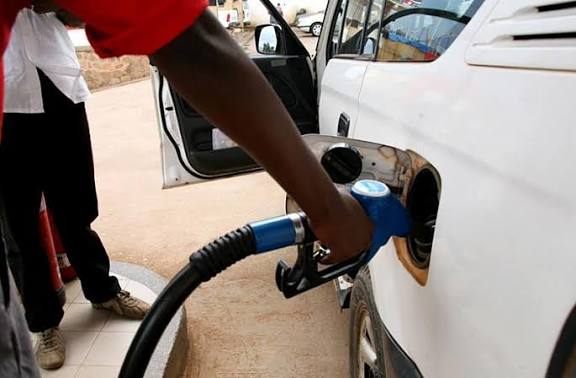
The increases come amid a sustained rise in petroleum prices, with diesel prices reaching approximately Shs7,200 per litre at some upcountry fuel stations, compared with about Shs4,700 in April 2026.
Mr Geoffrey Anok, executive director of Comfort Travellers Bus Company, said the adjustment was necessary to keep transport businesses operational as fuel and vehicle servicing expenses continued to rise.
He explained that the amount previously spent on fuel for a return journey was increasingly becoming insufficient, with operators now struggling to meet the cost of even a single trip.
According to Anok, vehicle maintenance expenses have also increased significantly, further reducing the margins available to bus companies.
The fare adjustments have raised concerns among small-scale traders who depend on regular journeys between Lango and Kampala to purchase and distribute merchandise.
Ms Susan Akello, a produce dealer at Apac Main Market, said the increased transport costs could force traders to raise commodity prices, ultimately affecting consumers.
She explained that traders who travel to Lira to purchase produce would have to factor in the additional transport expenses when determining their selling prices.
For businesses operating on small profit margins, the increase could make trading more difficult, particularly as consumers continue to grapple with rising household expenses.
Mr Jacob Ogwang, a second-hand clothes dealer, warned that higher prices could discourage customers from purchasing merchandise, potentially affecting business performance during the festive season.
He called for government intervention to address rising fuel prices, arguing that traders were struggling to absorb additional operating expenses without passing them on to consumers.
The fare increases could also affect people who travel to Kampala to access specialised medical services and other essential facilities.
A 17-year-old resident of Apac who regularly travels to Mulago National Referral Hospital for medical check-ups appealed to government to engage transport operators and explore ways of addressing the rising costs.
The traveller expressed concern that the increased fares could make it more difficult for people with limited financial resources to access healthcare services in the capital.
The concerns highlight the wider implications of rising transport costs beyond the commercial sector, particularly for households that depend on long-distance travel for medical treatment, education and other essential services.
The transport fare adjustments reflect a wider economic challenge facing Ugandan businesses as fuel prices continue to increase.
Diesel is particularly important to the transport industry because it powers buses, trucks and other commercial vehicles responsible for moving passengers and goods across the country.
Higher fuel prices increase the cost of operating vehicles, transporting agricultural produce and distributing manufactured products.
A separate Daily Monitor report published on October 30 indicated that diesel prices in Kampala had reached Shs7,290 per litre, compared with approximately Shs4,700 in April, representing an increase of about 55 per cent.
The report also highlighted the effects of currency depreciation, higher international petroleum prices and global supply constraints on Uganda’s fuel market.
Uganda imports refined petroleum products, leaving local prices exposed to movements in international markets and exchange-rate fluctuations.
For transport operators, the challenge is balancing the rising cost of doing business against passengers’ ability to afford higher fares.
As the new rates take effect, small-scale traders, workers and other travellers from the Lango sub-region face additional expenses, raising fresh questions about the wider impact of fuel prices on the cost of living.