















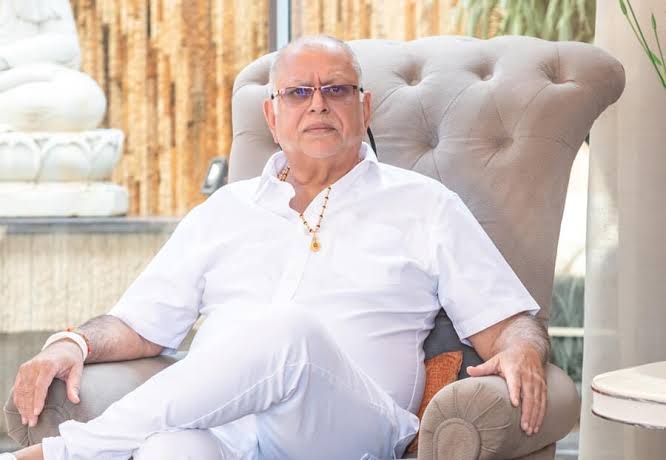
From hospitality and property development to education and employment, businessman Dr Sudhir Ruparelia has built a business portfolio that has become a prominent part of Uganda’s private sector.
Uganda’s economic story is shaped not only by government policies and public institutions but also by entrepreneurs willing to commit capital, take risks and build businesses that endure. Among the business figures whose investments have left a visible mark on the country is Dr Sudhir Ruparelia.
Over the years, Ruparelia has established himself as one of Uganda’s most prominent investors through a business empire with interests spanning real estate, hospitality, education, insurance and other sectors.
His journey offers an opportunity to examine the role of private enterprise in national development and why business leaders who invest locally deserve recognition for their contribution to the economy.
Building a business empire in Uganda
Ruparelia’s business story is closely associated with his decision to establish and expand enterprises in Uganda.
After returning to the country in the 1980s, he began building his business interests at a time when Uganda was working to recover from years of political and economic instability.
What followed was the growth of the Ruparelia Group into a diversified business organisation with investments across several industries.
His experience demonstrates how entrepreneurship, strategic investment and long-term business planning can contribute to the development of a country’s private sector.
For young Ugandans interested in business, his journey also provides an example of the opportunities that can emerge from identifying gaps in the market and having the determination to pursue them.
Investments that have transformed Kampala’s landscape
One of the most visible aspects of Ruparelia’s business activities is his involvement in property development and hospitality.
Developments associated with his business group, including Kingdom Kampala, Speke Resort Munyonyo and Kabira Country Club, have become familiar landmarks within Uganda’s commercial and hospitality environment.
Such investments contribute to the country’s built environment while supporting related economic activities, including construction, tourism, transport, catering and professional services.
The hospitality sector is particularly important to Uganda’s ambition of attracting international conferences, business travellers and tourists.
Modern hotels, conference facilities and leisure destinations help strengthen the country’s capacity to host international events and compete for visitors in the regional market.
Employment and opportunities for Ugandans
Beyond buildings and business valuations, large enterprises have an important role in supporting household incomes through employment.
The Ruparelia Group operates across industries that require different categories of workers, from hospitality professionals and educators to administrators, engineers, accountants and other specialists.
These businesses also create opportunities for suppliers, contractors and smaller enterprises that provide goods and services.
While the exact number of jobs supported by the group would require independently verified figures, its presence across several sectors illustrates how private investment can stimulate economic activity beyond the companies themselves.
For an economy seeking to expand employment opportunities, the contribution of established businesses remains significant.
Supporting education and skills development
Education is another area in which the Ruparelia business interests have maintained a presence.
Victoria University, associated with the group, is part of Uganda’s expanding private higher education sector, offering academic and professional programmes to students pursuing different career paths.
Private universities contribute to the country’s education landscape by widening access to higher learning and preparing graduates for opportunities in the labour market.
The long-term value of such institutions lies not only in the qualifications they award but also in the skills, knowledge and professional capacity they help develop.
Philanthropy and community engagement
Business success is also measured by how it relates to the communities in which enterprises operate.
Through the Ruparelia Foundation, the businessman has been associated with charitable and community-support initiatives in areas that include education, vulnerable groups and social welfare.
Such interventions form part of a wider discussion about corporate social responsibility and the role of private individuals and organisations in complementing public efforts to address community needs.
For philanthropy to create lasting change, however, its impact must be assessed through the sustainability of programmes and the number of people reached.
The importance of recognising private-sector contribution
National development is a collective undertaking. Government provides policy direction, public infrastructure and essential services, while private investors bring capital, create enterprises, employ workers and introduce new products and services.
Uganda therefore has reason to recognise entrepreneurs whose investments contribute to productive activity and economic expansion.
Ruparelia’s business journey is one example of how private capital can help shape industries and create opportunities within the country.
Recognition, however, should go hand in hand with accountability, transparency and responsible business practices. These principles strengthen public confidence and ensure that investment contributes meaningfully to society.
A business legacy still being shaped
As Uganda continues to pursue economic transformation, the contribution of established entrepreneurs remains an important part of the national conversation.
Dr Sudhir Ruparelia’s investments across property, hospitality, education and other sectors have made him a prominent figure in the country’s business community.
His story is not simply about personal wealth. It also raises a broader question about how local investment, entrepreneurship and private-sector participation can support Uganda’s development.
For aspiring entrepreneurs, the lesson is that building lasting enterprises requires vision, persistence, calculated risk-taking and a willingness to invest in the country’s future.
Ultimately, Uganda’s progress will depend on the combined efforts of public institutions, private investors, workers and communities. Recognising the role of business builders such as Ruparelia is part of acknowledging the many forces that contribute to that progress.