















The Uganda Wildlife Authority (UWA) has renewed its call for Ugandans to actively participate in domestic tourism, saying the country’s tourism sector can only achieve sustainable growth if citizens take a leading role in visiting and supporting protected areas.
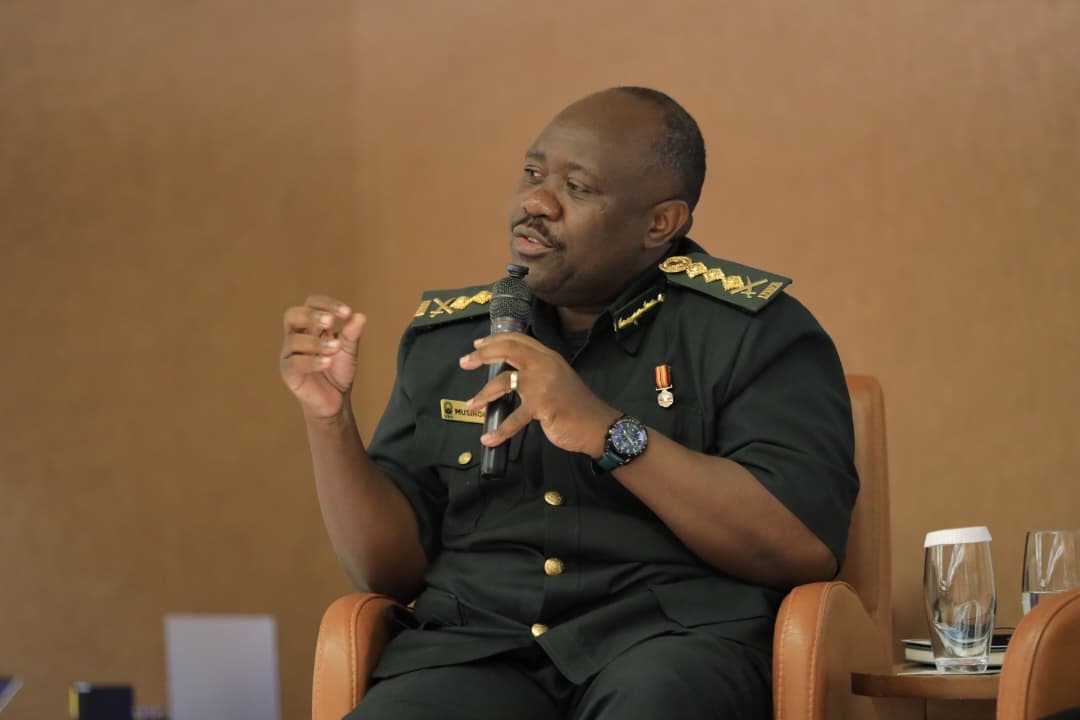
Speaking on the matter, UWA Executive Director Dr. James Musinguzi said domestic tourism is a key driver of conservation, job creation, and economic transformation in Uganda.
He noted that many Ugandans still associate tourism largely with international visitors, yet local participation is essential for sustaining the industry and maximizing its benefits.
“Sometimes when we talk about tourism, we think about foreigners who come to visit. We need to start by doing it ourselves through promoting domestic tourism,” Dr. Musinguzi said.
He encouraged Ugandans to make it a habit of visiting national parks and wildlife reserves at least once a year, saying such experiences not only change mindsets but also directly support local livelihoods.
“When you do that, you are supporting a Ugandan to get a job and contributing to the growth of the Ugandan economy,” he added.
Dr. Musinguzi further emphasized that tourism remains a priority sector in Uganda’s long-term economic transformation agenda, which aims to grow the economy tenfold by 2040, with tourism identified as one of the key drivers.
In a related development, UWA has strengthened collaboration with conservation and community partners, including the Lions Club of Kampala East, to expand environmental protection and awareness programmes across the country.
As part of this partnership, joint conservation activities are being implemented in Kaboya Village in Kiku District, focusing on environmental sustainability and community engagement.
The 7th President of the Kampala Lions Club, Susan Muhumuza, said the initiative includes large-scale tree planting and environmental education aimed at strengthening local conservation efforts.
She revealed that the project targets the planting of 1,000 trees while distributing an additional 1,000 seedlings to households to support reforestation.
“Kaboya is within Kiku District, and we are working there to plant trees and support communities in conserving the environment,” Muhumuza said.
She added that the area hosts key UWA-managed conservation sites, including Kaboya Wildlife Reserve and Boma Forest Reserve, making it a strategic location for environmental restoration efforts.
Muhumuza also noted that the partnership will extend to community health outreach programmes, including medical camps focusing on diabetes and eye care services.
UWA said such partnerships are part of its broader strategy to integrate conservation with community development while encouraging more Ugandans to actively participate in protecting and benefiting from the country’s natural heritage.