














The Uganda Wildlife Authority (UWA) recovered 43,642 illegal hunting implements and apprehended 2,931 suspects during the 2025/2026 financial year as it stepped up efforts to combat poaching and strengthen wildlife conservation.
The Authority also seized 4,540.54 kilogrammes of wildlife products and investigated 1,237 wildlife crime cases involving 2,189 suspects, according to its annual performance report presented at a stakeholder meeting in Kampala on Friday.
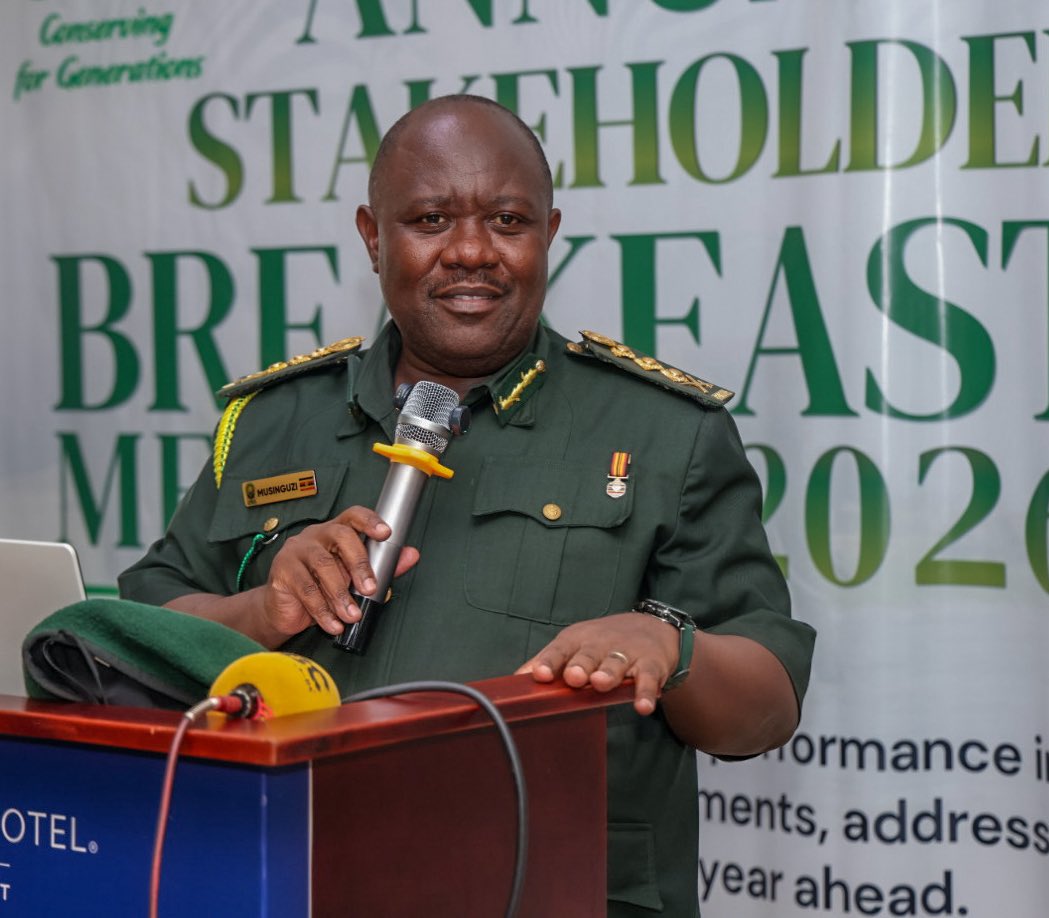
UWA Executive Director James Musinguzi presented the figures during the Authority’s Annual Stakeholder Breakfast Meeting 2026 at Skyz Hotel in Naguru, where officials reviewed conservation achievements, tourism performance and challenges affecting wildlife management.
Dr Musinguzi said the Authority had made progress in wildlife protection, ecosystem restoration, community engagement and tourism investment, despite resource constraints and growing demands on its operations.
The report indicates that UWA conducted 25,621 patrols during the financial year as part of efforts to protect wildlife and enforce conservation laws.
The Authority also controlled invasive and problematic plant species across 7,464.94 hectares, compared with 4,299.97 hectares in the previous financial year. It maintained 1,213.1 kilometres of protected area boundaries, restored 60.25 hectares of degraded habitats and translocated 90 animals to support conservation.
Rhinos return to former habitats
One of the major conservation milestones was the reintroduction of eight southern white rhinos to Ajai Wildlife Reserve and Kidepo Valley National Park.
The exercise marked a significant step towards restoring the species to landscapes where it had disappeared.
Kidepo Valley National Park received its first rhinos in more than four decades, with the translocation forming part of wider efforts to restore wildlife populations and strengthen Uganda’s conservation heritage.
UWA also assumed management responsibility for Bugoma Central Forest Reserve in May 2026, expanding its responsibilities at a time when conservation agencies face pressure from habitat degradation and competing demands on protected areas.
The Authority’s ecosystem management interventions included habitat restoration, boundary maintenance and the control of invasive vegetation.
These activities are intended to improve the condition of protected areas and sustain habitats needed by wildlife.
Tourism visits decline
Despite the conservation gains, visitor numbers across protected areas and wildlife conservation education facilities declined during the financial year.
UWA recorded 865,805 visits in 2025/2026, down from 943,837 in the previous financial year, representing a decrease of about 8.3 per cent.
However, concession revenue reached Shs16.4 billion against a target of Shs5 billion, according to the performance report.
The Authority prepared 19 concession opportunities and identified 18 investment sites as part of efforts to attract private-sector participation, diversify tourism products and expand services in protected areas.
The investment drive is intended to improve the tourism experience while generating income to support conservation activities.
UWA has increasingly relied on partnerships with private investors to develop tourism facilities and services, particularly in national parks and other protected areas.
Communities receive Shs5.51 billion
The Authority also reported continued investment in communities neighbouring protected areas through livelihood support, conservation education and revenue-sharing arrangements.
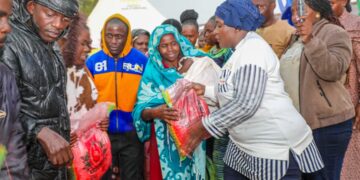
During the financial year, UWA supported 1,282 community livelihood groups, conducted 2,421 community meetings and disbursed Shs5.51 billion through its revenue-sharing programme.
The programme is intended to ensure that communities living near wildlife reserves and national parks benefit from conservation and have incentives to support the protection of wildlife.
Community engagement remains important in addressing human-wildlife conflict, which can arise when animals leave protected areas and damage crops, property or threaten residents.
UWA has also continued conservation education and public engagement initiatives aimed at improving understanding of wildlife protection and the economic value of tourism.
The Authority established UWA Online TV as part of its corporate communication initiatives and recorded 664 earned-media stories during the reporting period, of which 75.6 per cent were assessed as positive.
At the institutional level, 1,362 newly recruited rangers were undergoing paramilitary and wildlife conservation training by the close of the financial year. UWA also invested in equipment, technology and operational systems to support its field operations.
Board calls for stronger partnerships
UWA Board of Trustees Chairman Professor James Kalema said the Authority remained committed to protecting Uganda’s wildlife while ensuring conservation contributes to national development, tourism growth and community livelihoods.
Prof Kalema highlighted the reintroduction of southern white rhinos and the Shs5.51 billion distributed through the revenue-sharing programme as important milestones during the year.
He said the Board would continue to prioritise accountability, prudent resource management, good governance and institutional efficiency to deliver measurable conservation outcomes.
UWA’s leadership called for stronger collaboration with government institutions, private investors, conservation organisations and local communities to address the financial and operational constraints affecting the sector.
The Authority is now implementing its 2025/2026–2029/2030 Strategic Plan, which prioritises stronger law enforcement, ecosystem restoration, tourism diversification and improved benefits for communities living alongside protected areas.
The coming years will test UWA’s ability to sustain gains in wildlife protection while reversing the decline in visitor numbers and securing the resources required to manage the country’s growing conservation responsibilities.