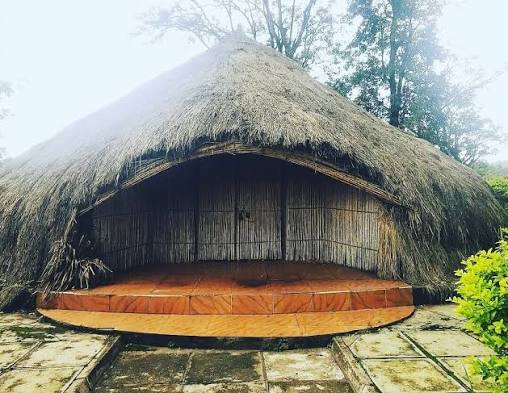











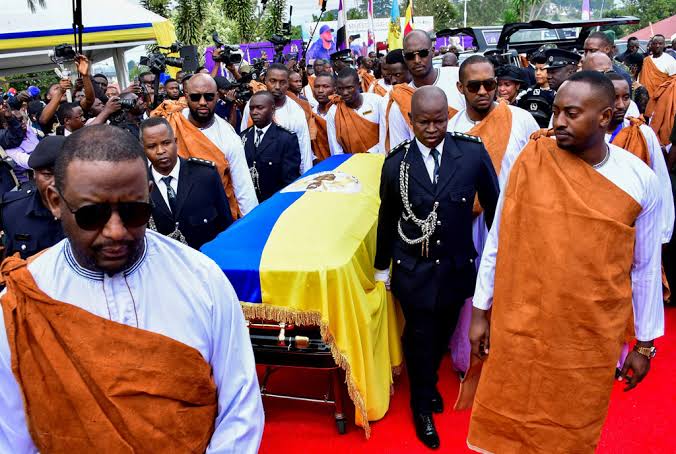
King Oyo Nyimba Kabamba Iguru Rukidi IV was laid to rest at the Karambi Royal Tombs in Fort Portal on Saturday, bringing to a close days of mourning and ushering Tooro Kingdom into a new chapter of leadership.
The burial brought together members of the royal family, Babiito clan leaders, government officials, cultural leaders and mourners who gathered to bid farewell to the monarch, who died in the United States on August 27 at the age of 34.
The funeral service at St John’s Cathedral preceded the procession to the Karambi Royal Tombs, the traditional burial ground for Tooro kings.
The burial also carried significance beyond the farewell to the late king, as traditional rites at the royal tombs formed part of the process through which his successor assumed the throne.
Kijanangoma takes royal role
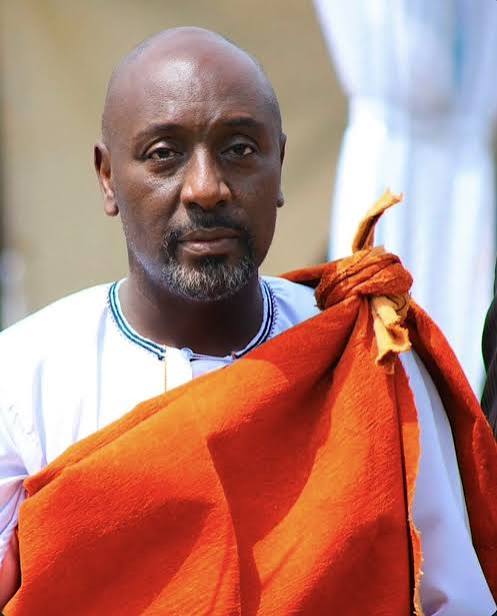
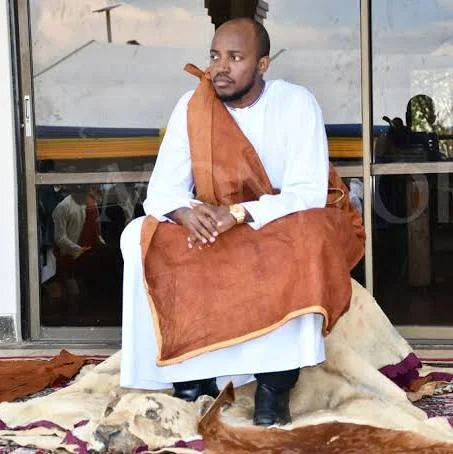
Prince Edward Rukidi Kijanangoma was declared the new Omukama of Tooro during the funeral proceedings by Omujwera Musuuga Charles Kayondo Kamurasi, the head of the Babiito royal clan.
Mr Kamurasi told mourners that the Babiito council had selected Kijanangoma as Oyo’s successor.
The development followed days of uncertainty surrounding the succession, with members of Oyo’s immediate family having questioned the earlier decision to select Kijanangoma.
The dispute centred on claims that the late king had left a will identifying a son as his successor. Reuters reported that the alleged son had not been publicly verified, while the royal clan proceeded with Kijanangoma’s selection.
The succession question had become particularly important because Tooro’s traditional burial rites require a successor to participate in the final rituals for the deceased king.
Nine coffee berries
At Karambi, Kijanangoma took part in one of the traditional rites by placing nine coffee berries into Oyo’s grave.
The ritual is part of the Babiito traditions surrounding the burial of a king and symbolises the successor’s participation in laying the deceased monarch to rest.
The significance of the ritual had been outlined before the burial by Babiito clan spokesperson Moses Musinguzi, who said the successor would receive nine coffee beans from the Omusuuna and place them into the grave individually.
The use of nine is significant in the traditional ceremonies surrounding the burial and succession process.
A farewell to a long-serving king
Oyo became king in 1995 at the age of three following the death of his father, King Patrick Matthew Kaboyo Olimi III.
He subsequently grew into one of Uganda’s most recognisable cultural leaders and served as Omukama for nearly 31 years.
His final burial came on September 12, the same date on which he was enthroned in 1995 and which marked the 31st anniversary of his coronation.
At St John’s Cathedral, mourners heard tributes to Oyo’s life, leadership and contribution to the Tooro Kingdom.
Church and cultural leaders also called for unity as the kingdom moved through the transition.
The Archbishop of the Church of Uganda, Stephen Kaziimba Mugalu, led the requiem service, which brought together mourners from Tooro and beyond.
Tooro enters a new chapter

With Oyo buried and Kijanangoma taking part in the traditional succession ritual, attention now turns to the formal enthronement of the new king.
According to the Babiito clan’s account of the traditional process, a period of rituals and preparations follows the burial before the new Omukama is formally enthroned.
The burial therefore marked both an end and a beginning for Tooro: the final resting place of a monarch who ruled for nearly three decades and the start of preparations for a new reign.
For the kingdom, the immediate challenge will be to preserve unity and cultural continuity as it moves beyond the loss of King Oyo and prepares for the formal installation of his successor.