
















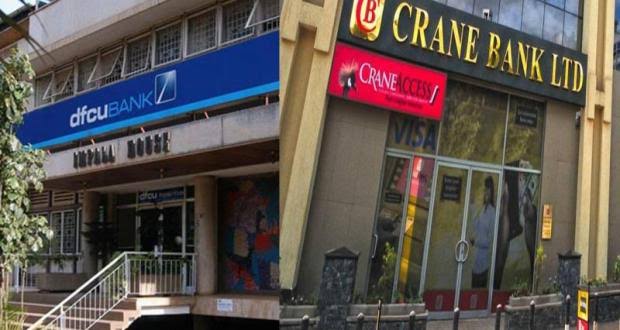
A long-running dispute over the takeover of Crane Bank enters a crucial stage on Monday when businessman Sudhir Ruparelia and other former shareholders face DFCU Bank and other defendants in a 16-week trial before the High Court in London.
The case, filed as Crane Bank Limited & Others v DFCU Bank Limited & Others under Claim No. CL-2020-000859, centres on the circumstances surrounding the 2016 takeover of Crane Bank and the subsequent transfer of most of its assets and liabilities to DFCU Bank.
Seven claimants are pursuing the case against 15 defendants, according to court records. The claimants include Crane Bank, Mr Ruparelia, Jyotsna Ruparelia, Meera Ruparelia, the estate of the late Rajiv Ruparelia, Tom Mugenga and Sheena Ruparelia.
Among the defendants are DFCU Bank, DFCU Limited, former DFCU executives and financial institutions including British International Investment, Norfinance, Rabo Partnerships and Arise.
Crane Bank was placed under statutory management by the Bank of Uganda in October 2016 after the regulator raised concerns about its financial position.
The bank was subsequently placed in receivership before arrangements were made for most of its assets and liabilities to be transferred to DFCU in January 2017.
Mr Ruparelia and the other claimants dispute aspects of the takeover and allege that the process involved unlawful conduct and a conspiracy that caused them financial loss.
The defendants deny the allegations and have maintained that the transaction was lawful.
DFCU has also argued that Crane Bank was seriously undercapitalised and has challenged aspects of the claimants’ account of events.
The allegations remain matters for determination by the London court.
One of the important legal questions in the case is the extent to which an English court can examine actions taken by a foreign state institution.
The Bank of Uganda is not a defendant in the London proceedings.
The issue has previously been considered by the English courts after the defendants challenged the jurisdiction of the High Court.
The Court of Appeal allowed the claims to proceed beyond the jurisdictional stage, meaning the dispute could return to the High Court for examination on its merits. The ruling did not determine whether the allegations made by the claimants were proved.
Bank of Uganda has previously described the London case in its annual reports as a claim by Crane Bank and some of its shareholders alleging that the takeover and resolution of the bank had been pre-conceived to benefit DFCU.
The trial is expected to examine extensive documentary evidence relating to the events surrounding Crane Bank’s takeover and transfer.
The parties have already engaged in several procedural disputes over disclosure, pleadings and evidence.
In March this year, the High Court dealt with an application concerning disclosure by DFCU. The court record shows that the litigation has involved detailed exchanges over documents and evidence ahead of the substantive trial.
A separate July 2025 ruling also dealt with amendments to DFCU’s defence and the extent to which material from PwC reports could be relied upon in the proceedings.
The trial is therefore expected to be heavily document-based, with the parties presenting correspondence, transaction records, expert evidence and other material in support of their respective positions.
The London proceedings are also significant because of the amount of compensation being pursued by the former Crane Bank shareholders.
The claimants have sought substantial damages over the alleged loss arising from the takeover and subsequent transfer of the bank.
The precise amount and any liability will ultimately depend on the evidence presented and the court’s findings.
The Crane Bank dispute has remained one of Uganda’s most closely followed banking controversies since the institution was taken under statutory management in 2016.
The bank, once one of Uganda’s prominent locally owned commercial banks, was subsequently transferred to DFCU, triggering years of legal and political debate over the regulator’s actions and the treatment of the bank’s shareholders.
The London proceedings have added an international dimension to the dispute, bringing together Ugandan banking issues, foreign investors and questions of English commercial law.
The case has already generated several rulings in the English courts, including decisions concerning jurisdiction, disclosure and the defendants’ pleadings.
The trial, scheduled to begin on October 5, is expected to run for about 16 weeks, although the final timetable remains subject to directions from the court.
The court will hear evidence from the parties before determining the legal and financial issues raised in the case.