

















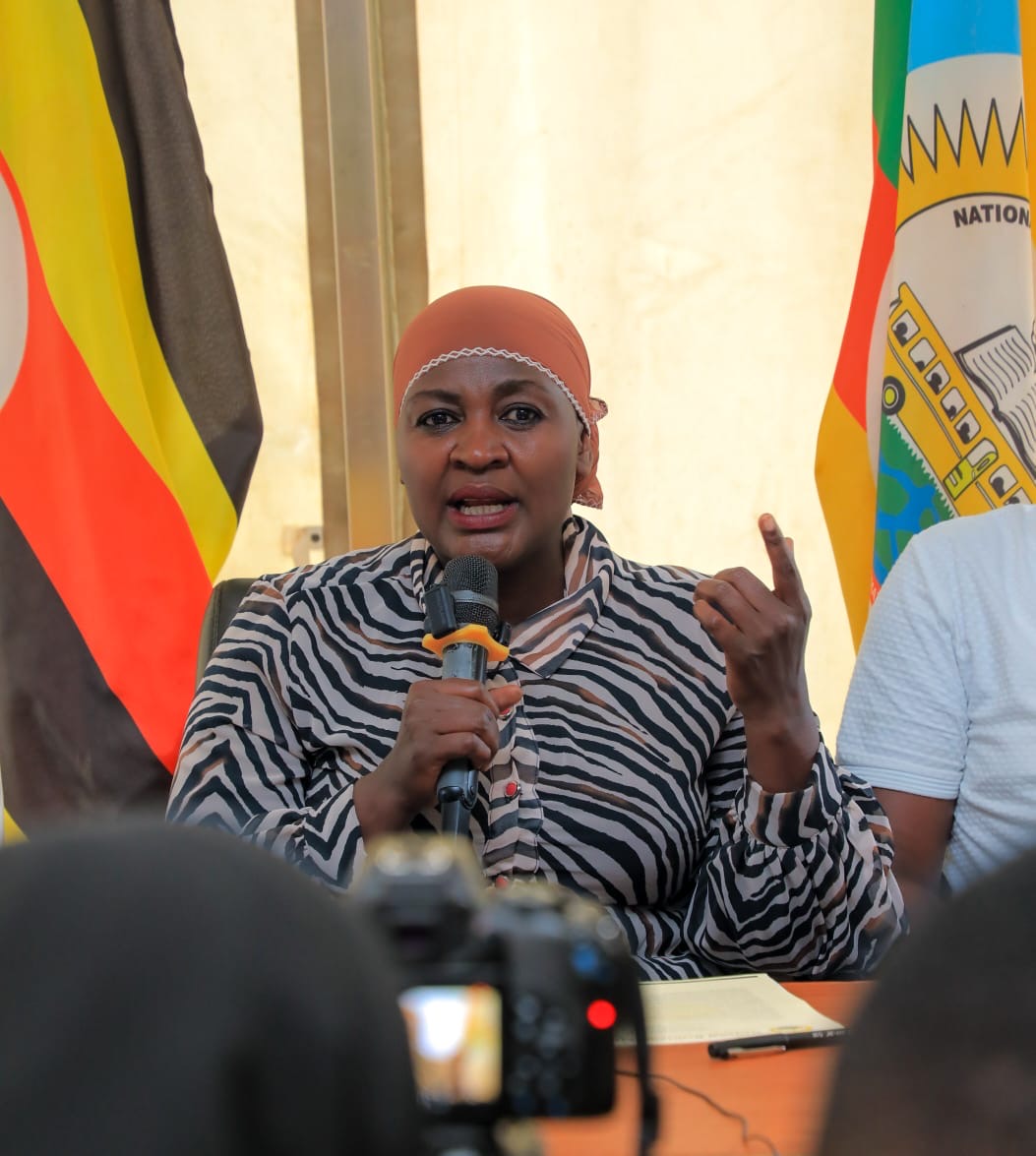
The government has been urged to urgently address persistent electricity supply challenges, delayed connections and concerns over power tariffs, with a statement attributed to Hajjat Hadijah Namyalo Uzeiye calling for greater accountability in the management of Uganda’s electricity distribution network.
The statement, titled “UMEME vs UEDCL: Ugandans Deserve Light, Not Excuses,” questions whether the transfer of electricity distribution operations from Umeme Limited to the state-owned Uganda Electricity Distribution Company Limited (UEDCL) has delivered the improvements consumers expected.
UEDCL took over electricity distribution operations from Umeme on April 1, 2025, in a transition that placed the state-owned company at the centre of efforts to improve access, reliability and service delivery.
However, the statement argues that consumers continue to face challenges, including delayed electricity connections, intermittent power supply and concerns about the cost of electricity.
“Ugandans did not agitate for the exit of Umeme to inherit darkness. They agitated for affordable, reliable and dignified power,” the statement reads.
One of the major concerns raised in the statement is the reported backlog of electricity connection applications, particularly those involving customers who have already paid for the service.
It claims that approximately 400,000 applicants remain unconnected despite having paid for electricity connections, and calls on UEDCL to publish a district-by-district list of pending applications and clear the backlog within 90 days.
The concern comes amid broader government efforts to accelerate electricity access through the Electricity Access Scale-up Project, which has supported hundreds of thousands of connections and additional procurement of meters.
In October 2026, reports indicated that the government was pursuing additional meter supplies to enable UEDCL to accelerate connections, particularly for customers whose applications had been delayed by shortages of equipment and other materials.
The statement calls for a clear implementation timetable, arguing that customers who have paid for electricity should receive the service without unnecessary delays.
It also proposes a parliamentary audit of the financial resources associated with electricity distribution to establish how the available funds have been utilised and what remains outstanding.
The statement also questions the relationship between Uganda’s electricity generation costs, distribution losses and the prices paid by consumers.
It argues that Uganda’s investment in electricity generation infrastructure should translate into affordable power for households and businesses, rather than leaving consumers struggling with high bills and unreliable supply.
According to the Electricity Regulatory Authority (ERA), domestic electricity tariffs for the fourth quarter of 2026 include Shs250 per kilowatt-hour for the first 15 units for eligible lifeline customers, Shs779.4 for consumption between 16 and 80 units, Shs412 for units between 81 and 150, and Shs779.4 for consumption above 150 units. The applicable rates depend on the consumer category and eligibility for the lifeline tariff. .
The statement argues that distribution inefficiencies contribute to the burden borne by consumers and calls for greater transparency in the management of electricity losses.
ERA’s published statistics show that electricity distribution losses across the national network increased to 18.1 per cent in 2025, from 16.7 per cent in 2024. The regulator defines these losses as the difference between electricity purchased and electricity sold, with technical faults, metering inaccuracies and electricity theft among the contributing factors. .
The figures highlight the continuing challenge of reducing losses across the distribution network, although the national statistics alone do not establish the causes of every consumer complaint or the performance of individual management teams.
The statement further questions Uganda’s electricity export strategy, arguing that the country should prioritise reliable domestic supply while pursuing regional energy trade.
Uganda has invested heavily in generation infrastructure, including the Karuma and Isimba hydropower projects, as part of its strategy to expand electricity supply and support industrialisation.
However, the statement contends that the benefits of these investments should be more visible to households, manufacturers, small businesses and service providers across the country.
It cites alleged electricity exports to neighbouring countries as evidence of what it describes as a mismatch between regional energy trade and unresolved domestic access challenges.
The statement calls on the government to ensure that electricity export arrangements do not undermine efforts to provide reliable and affordable power to Ugandan consumers.
The precise export volumes and comparative prices cited in the statement require independent verification against official electricity trade and tariff records.
Beyond the concerns over connections, tariffs and power losses, the statement questions the management transition from Umeme to UEDCL.
It argues that the change in distribution arrangements should produce measurable improvements in service delivery and that leadership appointments should prioritise technical competence, professional standards and accountability.
The statement also calls for a forensic audit of the reported Shs1.71 trillion figure associated with UEDCL’s operations.
However, the financial figure requires clarification. UEDCL’s published annual report describes Shs1.71 trillion as electricity payments made to the Uganda Electricity Transmission Company Limited (UETCL) during its first 10 months of operation. It should therefore not be presented as revenue collected by UEDCL without further documentary evidence. .
The statement urges Parliament and relevant government agencies to investigate outstanding connection applications, expenditure and service-delivery performance, with findings made available to the public.
It argues that transparent reporting would help establish whether operational challenges are temporary transition difficulties or evidence of deeper structural problems requiring policy intervention.
The statement maintains that Uganda’s investments in power generation should support domestic production, job creation and improved living standards.
It argues that unreliable electricity can undermine the operations of welders, salons, maize mills, factories and other enterprises that depend on a stable supply to remain productive.
It also calls for stronger legal and regulatory measures to ensure that electricity distribution obligations are enforceable and that consumers have effective channels for seeking redress when services are delayed or disrupted.
The statement concludes that the success of the transition from Umeme to UEDCL should ultimately be measured by the quality, affordability and reliability of electricity delivered to consumers.
“Until every Ugandan who paid for power receives power, this so-called ‘Big Switch’ remains a Big Cheat on the people,” it states.
The central demand is for electricity reforms to translate into tangible improvements in the daily lives of Ugandans, with transparent performance targets, timely connections and reliable service forming the basis for public accountability.