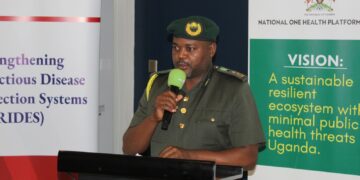















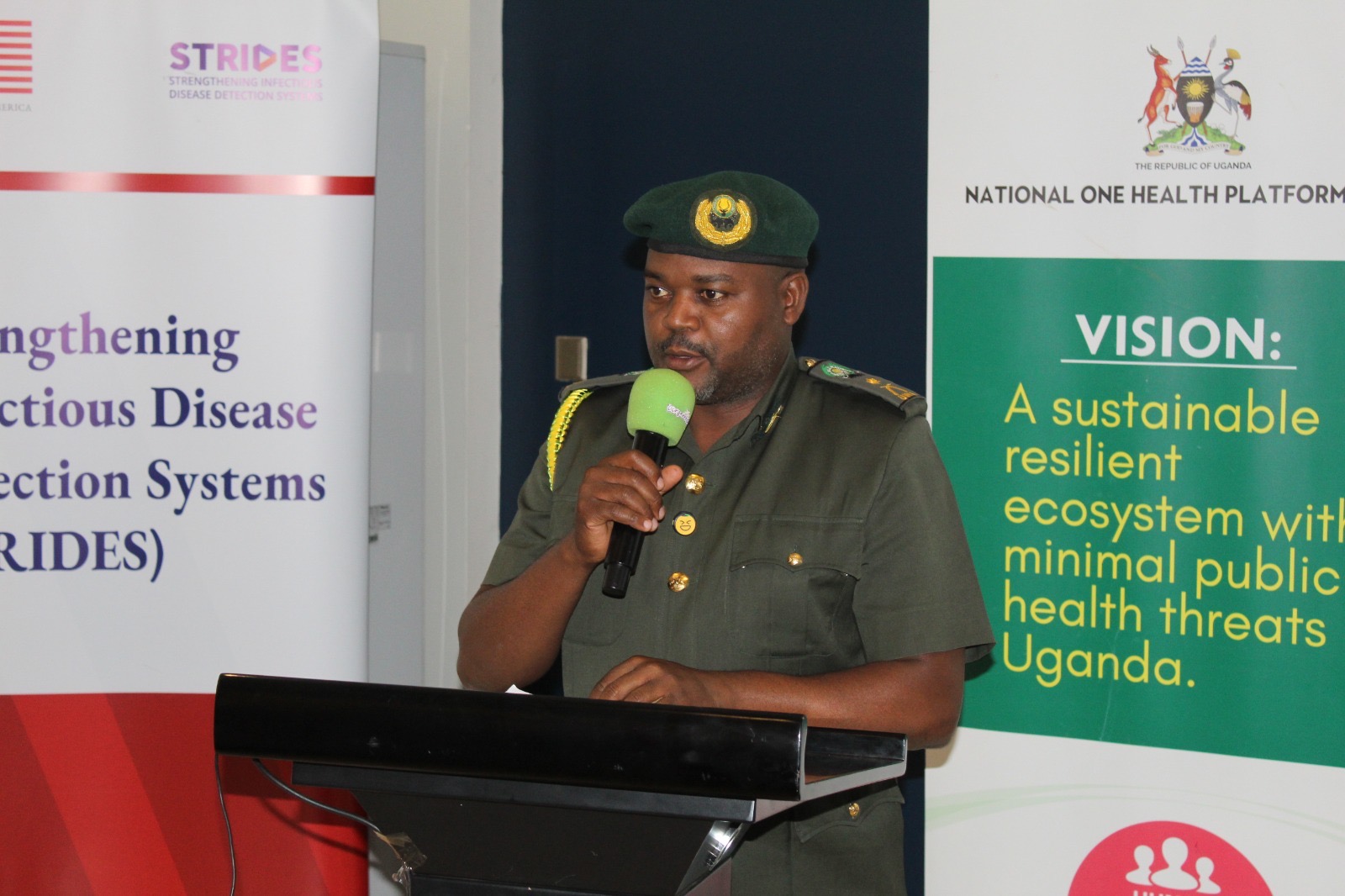
The Uganda Wildlife Authority (UWA) has taken over leadership of Uganda’s National One Health Platform, with a renewed focus on disease surveillance, outbreak preparedness and coordination among institutions responsible for human, animal and environmental health.
The transition was formalised during a handover ceremony at Golden Tulip Hotel in Kampala, marking the end of the Ministry of Water and Environment’s tenure at the helm of the multisectoral platform.
UWA’s new role comes as Uganda continues to strengthen its capacity to detect and respond to emerging health threats, including zoonotic diseases that can spread between animals and humans.
Under the new leadership, the authority will prioritise strengthening disease surveillance systems, improving outbreak preparedness and response, and expanding One Health coordination teams at the subnational level.
Other priorities include finalising the Pandemic Fund proposal, mobilising resources, strengthening research partnerships and accelerating the adoption of a comprehensive national One Health policy.
Representing UWA Executive Director Dr James Musinguzi, Commissioner for Legal and Corporate Affairs Chemonges Sabila Mongea said wildlife conservation and public health were closely connected.
“The health of our wildlife is inextricably linked to the health of our communities,” he said, reaffirming UWA’s commitment to advancing the One Health agenda.
He also recognised the contributions of the four lead ministries, departments and agencies that have supported the platform since its establishment in 2016, emphasising the need for continued collaboration in addressing health threats that cut across sectors and geographical boundaries.
Progress and emerging challenges
Representing the Permanent Secretary of the Ministry of Water and Environment, Dr Alfred Okot Okidi, the outgoing leadership highlighted achievements recorded during its tenure, including improved multisectoral coordination and the training of approximately 67 district health teams across the country.
However, challenges remain, particularly recurring zoonotic disease outbreaks, limited resources and gaps in information sharing among institutions involved in the platform.
The outgoing leadership also called for greater attention to emerging threats, including antimicrobial resistance, climate change-related zoonotic diseases and health risks associated with expanding oil, gas and mining activities.
These challenges underline the importance of coordinated surveillance and timely information exchange among agencies responsible for protecting human health, livestock, wildlife and the environment.
Strengthening inter-agency cooperation
The handover ceremony brought together representatives from the ministries responsible for health; agriculture, animal industry and fisheries; and water and environment, alongside UWA officials and development partners.
Participating partners included UNICEF, the Food and Agriculture Organisation (FAO), the World Health Organisation (WHO), the United States Centers for Disease Control and Prevention (CDC), GIZ, FHI 360, the World Wide Fund for Nature (WWF), COHESA, KOFIH, the Infectious Diseases Institute (IDI) and the Intergovernmental Authority on Development (IGAD).
The One Health approach recognises that human health is closely linked to the health of animals, plants and the environment. It promotes collaboration across sectors to prevent, detect and respond to health threats more effectively.
UWA’s assumption of leadership is expected to provide an opportunity to strengthen Uganda’s preparedness for emerging disease threats through early detection, improved coordination and stronger partnerships.
The effectiveness of the transition will depend on sustained financing, timely information sharing and the ability of participating institutions to translate national priorities into coordinated action at district and community levels.
Editor’s note: Confirm the date of the handover ceremony and the official title of the platform’s outgoing leadership before publication. The stated number of trained district health teams and the status of the national One Health policy and Pandemic Fund proposal should also be verified with the relevant authorities.