







































By Infora Media
Kampala, Uganda — The rapid advancement of artificial intelligence is transforming industries worldwide, but experts are raising fresh concerns about its growing use in cybercrime, warning that the same technology driving innovation is also enabling more sophisticated digital attacks.
In recent months, global technology discussions, highlighted at events such as the AI+DC Summit 2026, have increasingly focused on the darker side of AI, particularly its role in cybersecurity threats.
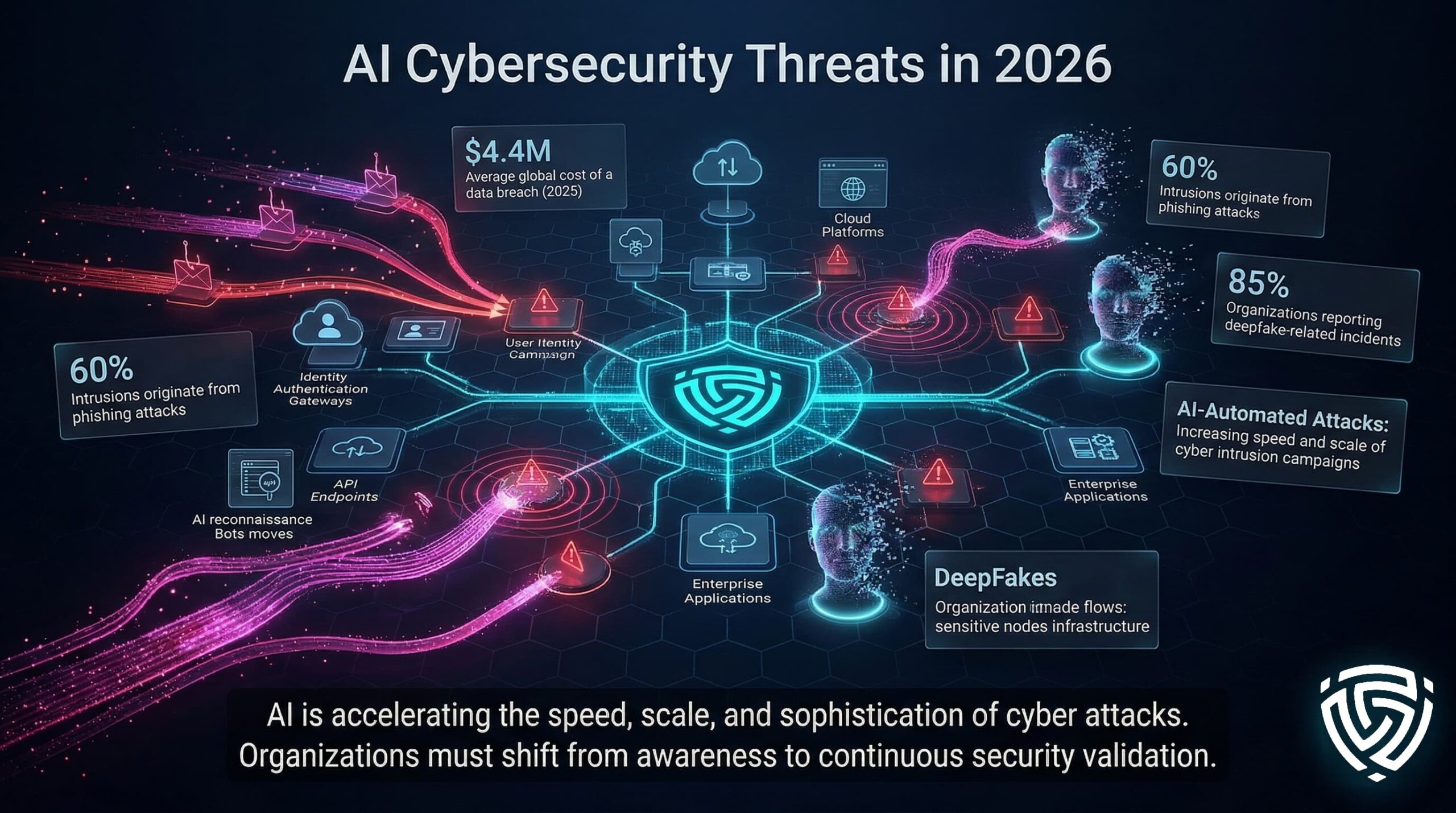
Cybersecurity analysts say hackers are now leveraging AI tools to automate phishing scams, generate highly convincing fake messages, and even mimic human voices and writing styles. This has made it significantly harder for individuals and organisations to detect fraud.
“AI has lowered the barrier to entry for cybercriminals,” said one security researcher at Check Point Software Technologies. “Attacks that once required technical expertise can now be executed with minimal skill.”
The rise of generative AI systems has enabled criminals to craft personalised scams at scale, targeting victims with messages that appear legitimate. Businesses, financial institutions, and government agencies are increasingly at risk, with experts warning that developing countries could be particularly vulnerable due to weaker cybersecurity infrastructure.
Technology giants such as Microsoft and Google have acknowledged the growing threat and are investing heavily in AI-powered security systems designed to detect and prevent attacks in real time.
At the same time, chipmaker Nvidia, during its recent developer conference, emphasised the need for stronger AI infrastructure, noting that the technology will continue to evolve rapidly across both defensive and offensive applications.
Governments around the world are also stepping in. Policymakers in the United States and Europe are drafting regulations aimed at controlling the misuse of AI, while encouraging innovation. However, experts caution that regulation alone may not be enough to keep pace with the speed of technological change.
In Africa, digital adoption is accelerating, with more people relying on mobile banking, e-commerce, and online services. This growth, while beneficial, is also expanding the attack surface for cybercriminals.
Ugandan ICT analysts say there is an urgent need for increased public awareness and investment in cybersecurity systems to safeguard users and institutions.
“People must become more cautious about the information they share online and verify sources before responding to messages,” a Kampala-based IT consultant noted.
As artificial intelligence continues to reshape the global digital landscape, the challenge for governments, businesses, and individuals will be to harness its benefits while staying ahead of emerging threats.