






































By Infora Media
KAMPALA — Government has assured the public that Uganda has sufficient fuel reserves to meet short-term national demand, with available stocks expected to sustain supply across the country through the end of April 2026.
According to the latest update, authorities indicated that the country’s fuel supply chain remains stable, with adequate volumes of petrol, diesel, and aviation fuel currently available in storage facilities.
As of March 27, 2026, petrol stocks stood at 81 million litres, equivalent to 22 days of national consumption. Diesel reserves were recorded at 80 million litres, translating into 23 days of cover, while Jet A-1 aviation fuel stocks were at 18.5 million litres, representing approximately 30 days of supply.
Officials noted that the available reserves are sufficient to sustain essential economic activities, including transport, manufacturing, and aviation services, without interruption.
The assurance comes amid public concerns over possible supply disruptions linked to global fuel market volatility and regional logistics challenges. Authorities, however, emphasized that Uganda’s inland fuel distribution system remains functional and that supply pipelines continue to operate normally.
The government, through the Ministry of Energy and Mineral Development, said additional fuel consignments are expected to arrive in the coming weeks to replenish stocks and maintain stability in the market.
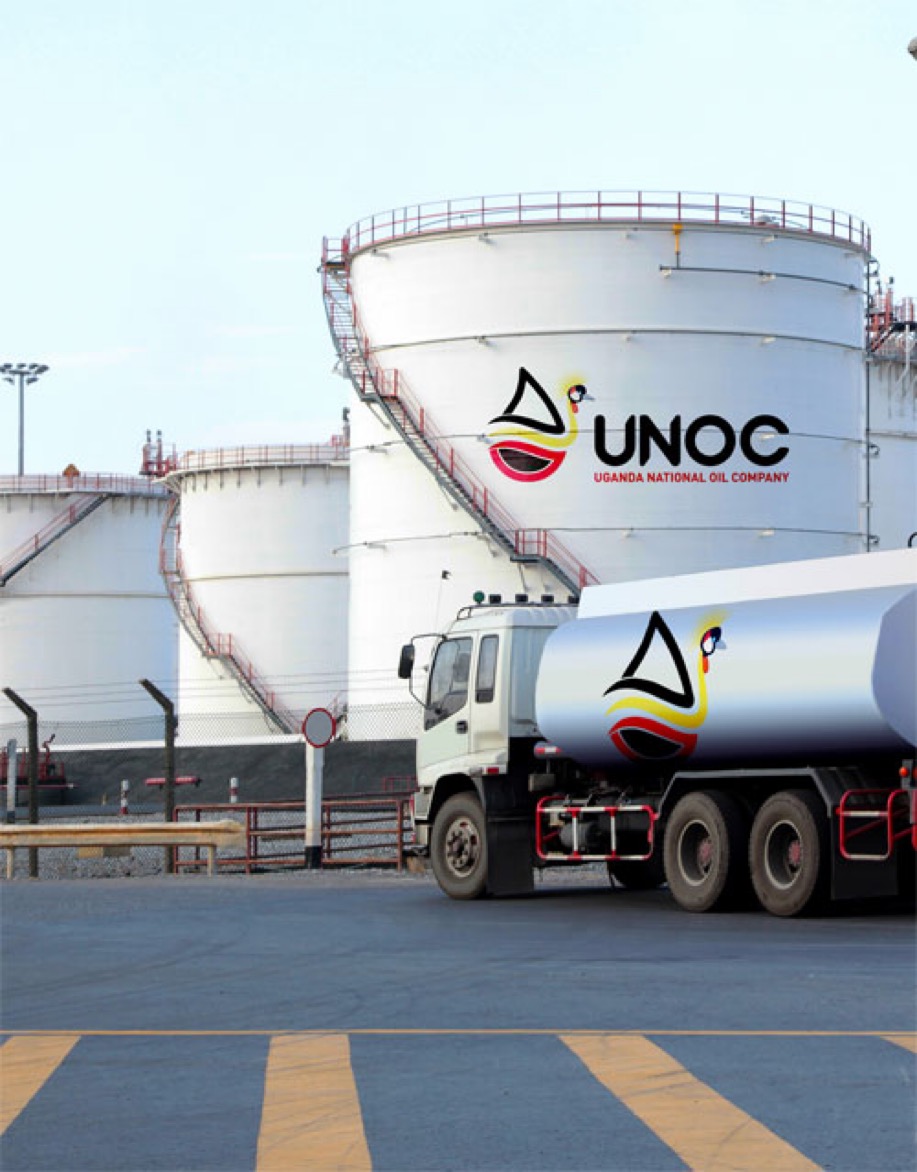
The Uganda National Oil Company is also coordinating with oil marketing companies to ensure smooth distribution of fuel across the country, particularly in high-demand urban areas such as Kampala and major transport corridors.
Authorities further urged the public to avoid panic buying, stressing that the country has adequate fuel supplies and that distribution networks remain efficient.
Uganda relies largely on imported petroleum products transported through regional routes, making stock monitoring and supply planning critical for maintaining energy security. Officials said the current reserves, combined with incoming shipments, provide sufficient buffer to meet demand and sustain economic activity through April.
The latest update reflects continued efforts by government and industry players to maintain stable fuel supply and cushion the country from external market shocks.