








Uganda is set to take a leading role in Africa’s heritage conservation efforts after being selected to host the launch of the Fourth Cycle of Periodic Reporting for Africa under the UNESCO World Heritage Convention this September.
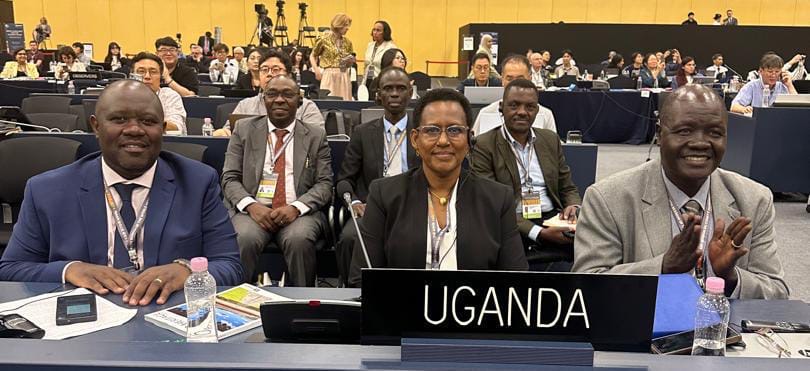
The announcement was made by the Minister of Tourism, Wildlife and Antiquities, Hon. Tom R. Butime, during the 48th Session of the UNESCO World Heritage Committee held in Busan, South Korea.
Uganda’s delegation at the global meeting includes senior officials from the country’s heritage and conservation sector, among them the Executive Director of the Uganda Wildlife Authority (UWA), Dr. James Musinguzi, alongside other government representatives.
Speaking during a side event organised by the UNESCO World Heritage Centre and the African World Heritage Fund (AWHF), Hon. Butime said Uganda’s selection to host the initiative reflects the country’s commitment to strengthening Africa’s role in protecting its cultural and natural heritage.
“Uganda is honoured to host this initiative because we firmly believe that the future of World Heritage in Africa depends on stronger African leadership, greater cooperation among our States Parties, and sustained investment in our people and institutions,” Butime said.
The Fourth Cycle of Periodic Reporting is expected to provide an important platform for African countries to assess progress, share experiences and strengthen the management of World Heritage sites across the continent.
As part of the programme, Uganda will host the official launch of the reporting cycle as well as the first Workshop for National Focal Points, bringing together heritage experts, site managers and representatives from different African countries.
Hon. Butime described Periodic Reporting as more than a requirement under the UNESCO World Heritage Convention, saying it is a practical mechanism for improving heritage management, strengthening institutions, developing professional skills and promoting regional cooperation.
He said Uganda’s own experience in heritage preservation, including the restoration of the Kasubi Royal Tombs through international partnerships, demonstrates the importance of collaboration in safeguarding Africa’s heritage.
The minister, however, warned that many heritage sites across Africa continue to face growing threats, including climate change, rapid urbanisation, infrastructure development, conflicts and limited technical capacity.
He emphasised that collective action among African nations remains essential in addressing these challenges.
“No country can address these challenges alone. That is why Uganda has taken an active leadership role by creating a platform where countries can learn from one another, exchange experiences, build lasting partnerships and collectively strengthen the implementation of the Convention across Africa,” he said.
Hon. Butime, who previously served on the Board of the African World Heritage Fund, said Africa has immense cultural and natural heritage resources, as well as the expertise required to play a greater role in shaping the future of global heritage conservation.
He noted that implementing the Nairobi Outcome on Authenticity would help improve Africa’s representation on the World Heritage List while enhancing the continent’s voice within the international heritage community.
According to the minister, the Fourth Cycle of Periodic Reporting presents an opportunity for African countries to strengthen heritage institutions, equip site managers with new skills, encourage peer learning and generate knowledge that supports better conservation decisions.
He called upon African States Parties, development partners and heritage stakeholders to actively participate in the process, reaffirming Uganda’s commitment to working closely with UNESCO, the African World Heritage Fund and other partners.
Hon. Butime also invited World Heritage focal persons and site managers from across Africa to attend the September meetings in Uganda, saying the gathering will provide an opportunity for participants to engage in conservation discussions while experiencing the country’s rich tourism attractions.
Meanwhile, the participation of Dr. Musinguzi at the UNESCO World Heritage Committee meeting highlights the role of UWA in protecting Uganda’s natural heritage sites and supporting the country’s conservation agenda.
Uganda is home to several internationally recognised heritage and conservation sites, which continue to contribute to tourism development, cultural preservation and environmental protection.
The upcoming UNESCO meetings are expected to deepen cooperation among African countries, improve heritage management systems and strengthen efforts to preserve the continent’s shared cultural and natural treasures.
With Uganda hosting the launch of the Fourth Cycle of Periodic Reporting, the country is positioning itself as a key player in advancing Africa’s voice and leadership in global heritage conservation.