










KAMPALA — The Office of the National Chairman (ONC) has called on Ugandans, particularly the Bazzukulu, to participate peacefully in the upcoming Local Council II (LCII) parish elections, saying the polls will play a critical role in strengthening grassroots governance and accelerating community development across the country.
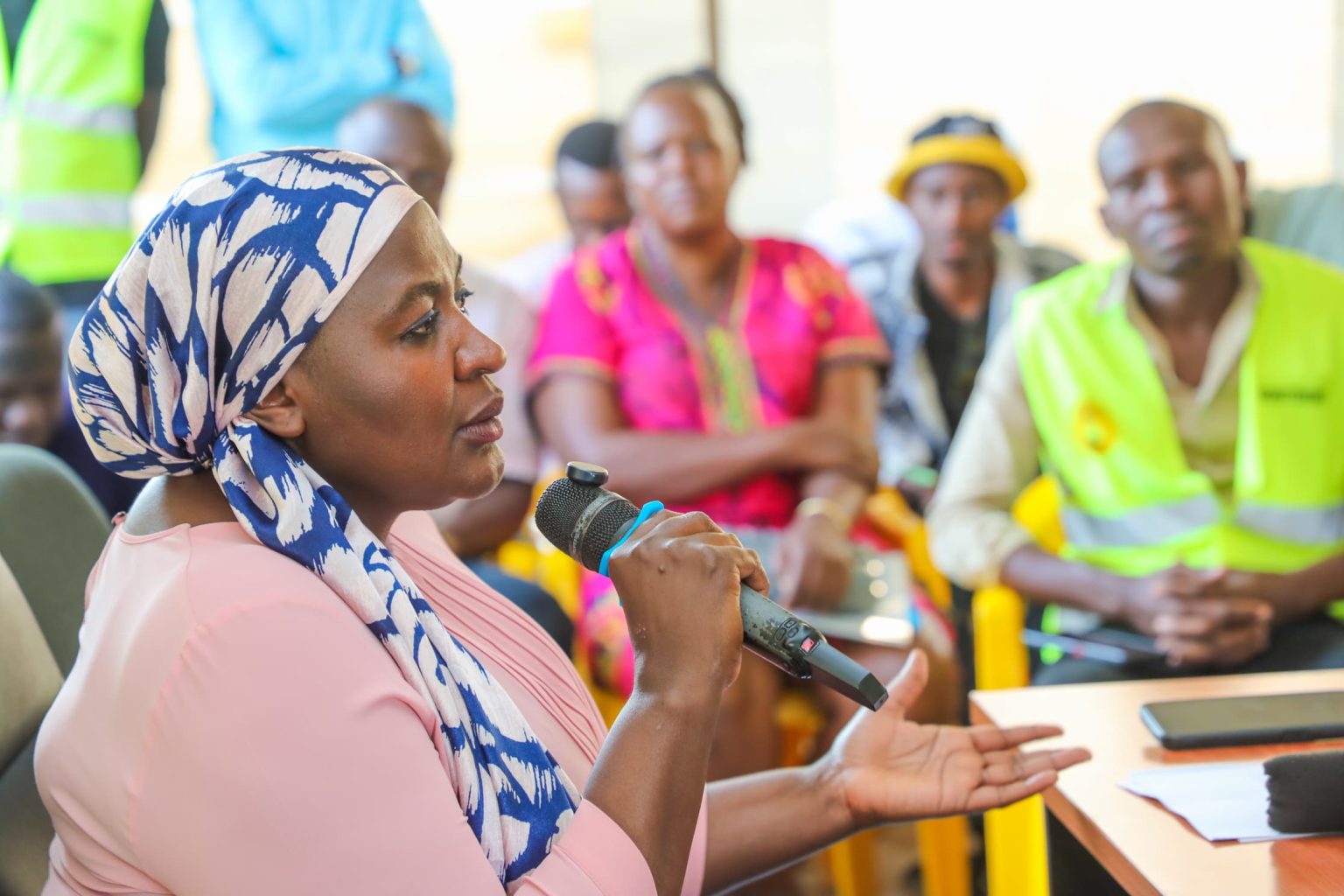
Speaking to journalists at the ONC headquarters in Kyambogo, the Senior Presidential Advisor on Political Affairs and National Coordinator of the Office of the National Chairman, Hajjat Hadijah Namyalo Uzeiye, popularly known as Chief Muzzukulu, said the parish remains the foundation upon which government programmes are effectively implemented and monitored.
She urged voters to turn up in large numbers and elect competent, service-oriented leaders capable of driving socio-economic transformation through initiatives such as the Parish Development Model (PDM).
“The parish is the engine of community transformation. Even the implementation of the Parish Development Model is anchored at the parish level through parish chiefs and local leaders. That is why every Ugandan should take these elections seriously by participating peacefully and electing committed leaders,” Hajjat Namyalo said.

She observed that the LCII elections provide an important opportunity for communities to strengthen local governance by choosing leaders who will promote accountability, improve service delivery and ensure government programmes directly benefit ordinary citizens.
During the briefing, Hajjat Namyalo also unveiled preliminary findings from the ONC’s nationwide assessment of the recently concluded Local Council I (LCI) elections, which indicate a commanding performance by the National Resistance Movement (NRM) and candidates aligned to the ruling party.
According to the assessment, NRM candidates supported by the ONC secured 71.7 per cent of all LCI positions, while NRM-leaning independent candidates won 19.5 per cent, giving the movement and its allies a combined grassroots performance of 91.2 per cent nationwide.

The report shows that the National Unity Platform (NUP) obtained 5.1 per cent of the positions, while other political parties collectively accounted for 3.9 per cent.
It further reveals that 18,314 ONC Bazzukulu coordinators were elected to various LCI leadership positions across Uganda, with many expected to advance to leadership roles during the LCII elections.
The assessment found that the NRM registered particularly strong performances in Western Uganda, Central Rural, Eastern Uganda, Northern Uganda, West Nile and Karamoja. It, however, noted relatively stiffer competition in Greater Kampala, parts of Wakiso and Mukono districts, as well as several urban municipalities.
According to the report, the results were driven by strong grassroots mobilisation spearheaded by ONC coordinators, well-established village-level party structures, sustained implementation of wealth-creation programmes such as the Parish Development Model and Emyooga, as well as continued engagement with communities across the country.
Despite the encouraging performance, Hajjat Namyalo cautioned supporters against complacency, urging Bazzukulu and NRM mobilisers to maintain the same level of commitment during the forthcoming LCII elections.
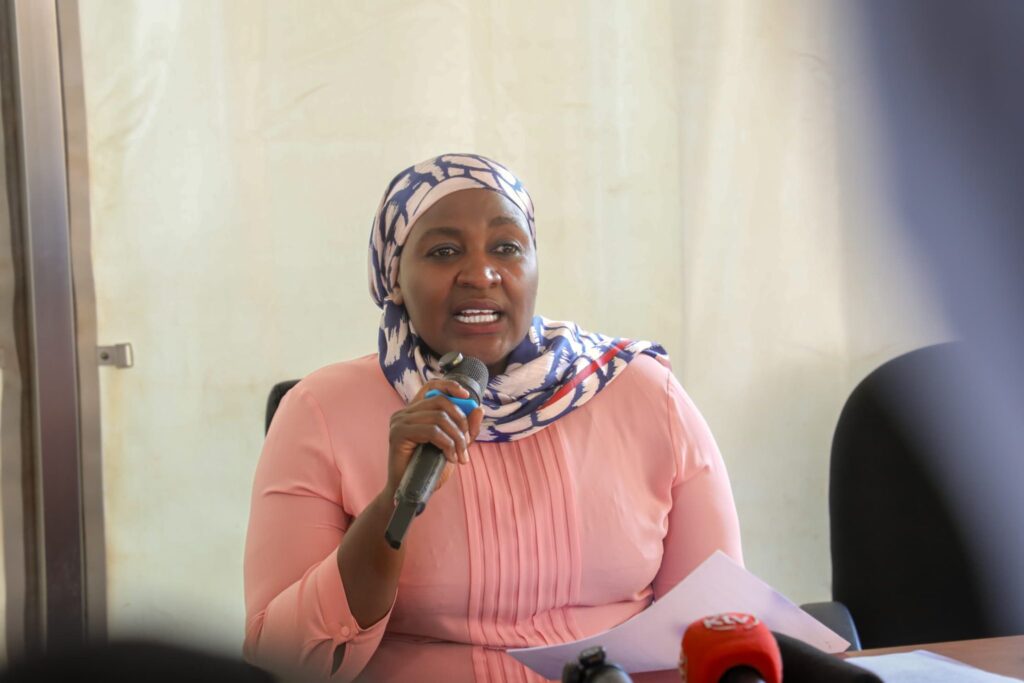
She emphasised that effective parish leadership would strengthen coordination between communities and government institutions, enhance accountability and accelerate socio-economic transformation at the grassroots.
The ONC assessment recommends consolidating support in areas where the NRM performed strongly while intensifying mobilisation efforts in urban centres where competition remains higher. It also calls for strengthened coordination with newly elected LCI leaders, timely resolution of internal party disputes and the preparation of a comprehensive post-election performance scorecard once the Electoral Commission releases the official district-by-district results.
Hajjat Namyalo concluded by appealing to all Ugandans to exercise their democratic rights peacefully and responsibly, stressing that the outcome of the LCII elections will have a direct impact on local governance and community development.
“Every vote at the parish level matters because it shapes the leadership that directly serves our communities and supports government programmes that improve people’s livelihoods,” she said.