
















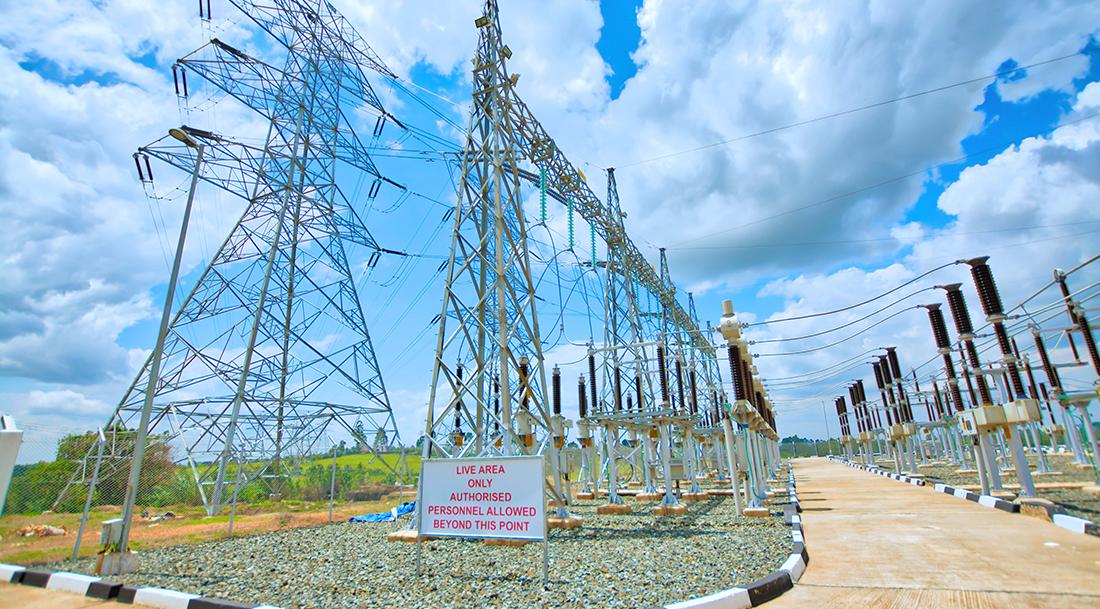
KAMPALA. The Uganda Electricity Transmission Company Limited (UETCL) is facing parliamentary scrutiny over the cancellation of a competitive procurement process for a private partner to commercialise its optical fibre network and the subsequent decision to consider Samanga Utilities Limited for a proposed Uganda-Tanzania fibre connection.
UETCL officials, led by Acting Executive Director Richard Matsiko, appeared before the Committee on Commissions, Statutory Authorities and State Enterprises (COSASE) to respond to queries arising from the Auditor General’s report for the 2024/25 financial year.
The committee, chaired by Muwada Nkunyingi, questioned the circumstances under which UETCL terminated an open bidding process that had attracted interested companies before Samanga Utilities was brought into consideration.
The lawmakers sought clarification on why the companies that had participated in the initial procurement process were no longer being considered and the basis upon which Samanga was subsequently selected for further discussions.
The controversy centres on a Presidential directive concerning an alternative fibre route through Tanzania, which government says could help reduce the cost of internet connectivity in Uganda.
In a letter dated August 27, 2025, President Yoweri Museveni directed the Ministers of ICT and Energy to explore an alternative internet route through Tanzania, arguing that the route could be cheaper than Uganda’s existing connection through Kenya.
“The Kenyan route is full of many commercial players looking for profit which makes the internet very expensive,” President Museveni wrote.
The President said Uganda could work with Tanzania’s nationally owned telecommunications carrier to establish a more affordable alternative route.
He further noted that the Tanzanian government, together with Samanga Utilities, had proposed connecting fibre optic infrastructure on Tanzania’s high-voltage transmission line to UETCL’s transmission network.
The proposal was subsequently subjected to consultations involving the Ministry of Energy and Mineral Development, UETCL and Samanga Utilities on June 25, 2026.
In a July 27, 2026 letter to UETCL, Energy Minister Monica Musenero Masanza said government had agreed to proceed with the Presidential directive through consultations while addressing technical, commercial and governance considerations.
“Government would continue implementing the Presidential Directive through a consultative approach while ensuring that all technical, commercial and governance considerations are adequately addressed in national interest,” Ms Musenero said.
The ministry then directed UETCL to terminate the existing open bidding process for a commercialisation partner for its optical fibre network.
It also instructed the utility to prepare fresh request-for-proposal (RFP) documents specifically for Samanga Utilities.
The ministry said the new RFP should clearly define the scope of Samanga’s engagement with UETCL while taking into account value for money and the technical requirements of the network.
The documents were to be submitted to the ministry for concurrence before being issued to Samanga.
The decision followed an assessment by UETCL of a proposal submitted by Samanga for the commercialisation of fibre assets along the utility’s transmission network.
According to the assessment, Samanga proposed establishing a special purpose vehicle wholly owned by the company to commercialise the fibre network under a concession arrangement lasting between 20 and 30 years.
The proposal included a technical plan, business plan and financial term sheet covering network management, operations and maintenance, implementation and staffing.
The procurement decision has now become a central issue before COSASE, with legislators seeking to establish whether the cancellation of the competitive process was properly handled and whether the subsequent consideration of Samanga complied with procurement and value-for-money requirements.
The committee is also examining wider financial management issues at UETCL, including long-standing receivables owed to the utility by government entities.
COSASE has directed UETCL to pursue recovery of about Shs1 trillion in outstanding receivables, including approximately Shs500 billion reportedly owed by Umeme.
The committee is also scrutinising court awards against UETCL, with the Auditor General’s report putting the outstanding liabilities at about Shs77 billion.
The Uganda-Tanzania fibre project has therefore emerged as part of broader parliamentary concerns over procurement, financial management and the stewardship of strategic infrastructure at the state-owned electricity transmission company.