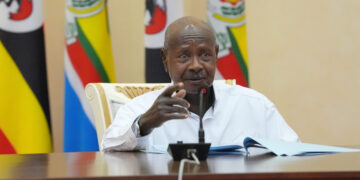









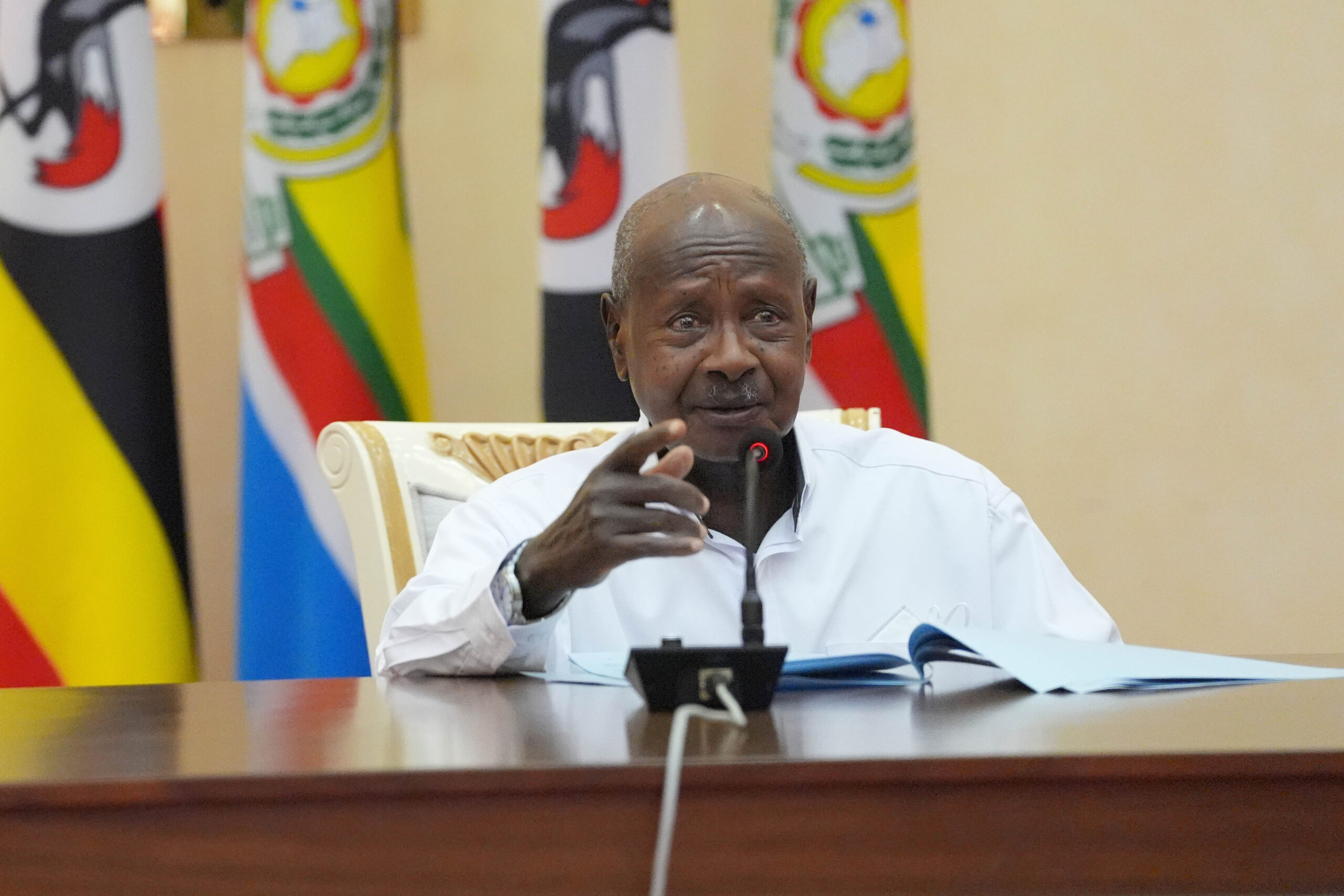
KAMPALA — President Yoweri Museveni has defended the conduct of Uganda’s security agencies amid mounting criticism over alleged abductions, illegal detentions and the continued prosecution of opposition politician Dr. Kizza Besigye, insisting that the government remains committed to protecting peace and national stability.
In a nationally televised address on Saturday evening, the President said security operations were directed at individuals involved in criminal activities and attempts to destabilise the country, rejecting claims that Uganda was returning to the human rights abuses associated with previous regimes.
Museveni said he decided to address the nation after receiving concerns from religious leaders and members of the international community regarding the country’s security situation.
He disclosed that leaders of the Inter-Religious Council of Uganda had expressed concern over reports of disappearances and unlawful detentions, warning that such allegations risked eroding public confidence in the peace Uganda has enjoyed for decades.
The President, however, maintained that the country’s security forces were acting within the broader responsibility of safeguarding national security.
“We cannot allow criminals to destabilise the country under the guise of democracy or political activity,” he said, arguing that security interventions were necessary to prevent violence and protect constitutional order.
Justice system
Museveni also criticised Uganda’s justice system, describing it as a colonial inheritance that places excessive emphasis on legal technicalities instead of establishing the truth.
He argued that traditional African systems of justice focused on determining what actually happened rather than allowing suspects to evade responsibility through procedural arguments.
To illustrate his point, the President recounted an incident during the National Resistance Army bush war in which a fighter identified as Zabuloni was executed after killing three civilians while intoxicated.
According to Museveni, the decision demonstrated the movement’s commitment to accountability despite legal arguments that drunkenness diminished criminal responsibility.
Besigye case
Turning to the case of opposition figure Dr. Kizza Besigye, Museveni expressed frustration over what he described as repeated legal manoeuvres that had delayed the conclusion of the proceedings.
Without discussing the merits of the charges, the President argued that judicial processes should prioritise establishing the truth and ensuring timely justice rather than being prolonged through procedural litigation.
Military leadership
Museveni said the departure of many senior commanders who fought in the National Resistance Army had created opportunities for corruption within sections of the military, including theft of fuel and other supplies.
He said, however, that reforms under Chief of Defence Forces Gen. Muhoozi Kainerugaba had strengthened discipline and professionalism within the Uganda People’s Defence Forces.
Hawking and wetlands
The President also reaffirmed the government’s position on street hawking, saying the practice obstructs roads, creates public health concerns and reduces tax compliance.
He urged local governments to provide organised markets where traders can conduct business legally instead of operating on city streets.
On environmental conservation, Museveni warned that government would continue removing illegal occupants from wetlands and forest reserves, arguing that the destruction of natural ecosystems threatens rainfall patterns, agriculture and the country’s long-term development.
Local elections
As preparations continue for village-level elections, the President called on Ugandans to participate actively in National Resistance Movement mobilisation meetings as well as Local Council and Women Council elections.
He urged voters to reject corrupt local leaders and use the electoral process to strengthen accountability in government programmes, including the Parish Development Model.
“Corrupt people are easy to defeat. Report them and vote them out,” Museveni said.