









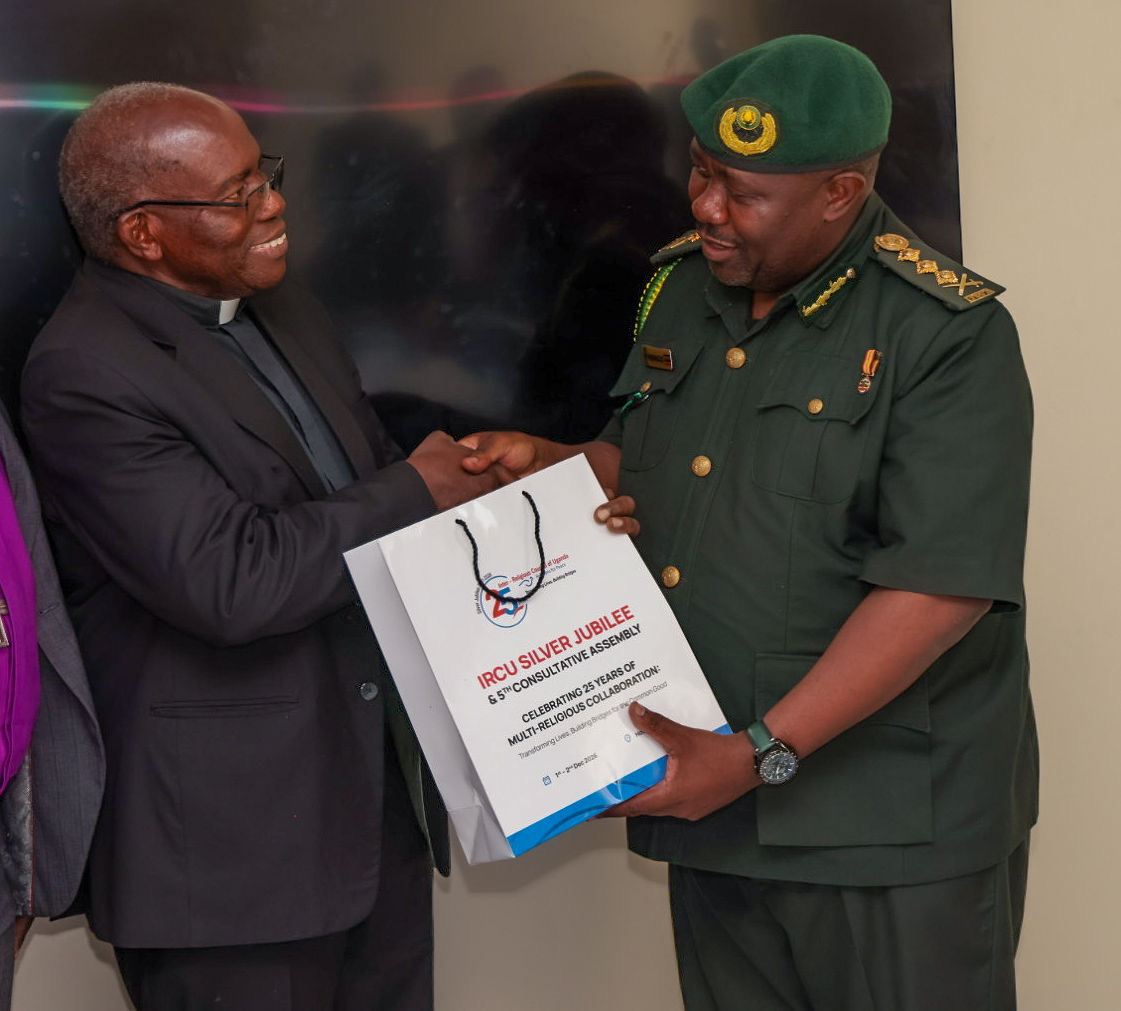
The Uganda Wildlife Authority (UWA) is seeking to strengthen its collaboration with religious institutions to promote wildlife conservation, tourism and improved livelihoods for communities living near protected areas.
The proposed partnership with the Inter-Religious Council of Uganda (IRCU) aims to use the extensive community networks of churches, mosques, schools and other faith-based institutions to raise conservation awareness, encourage public participation and promote peaceful coexistence between people and wildlife.
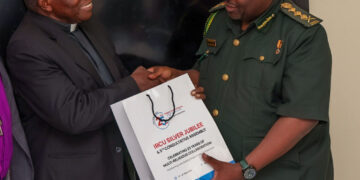
The proposal was discussed on Wednesday, October 21, 2026, during a meeting between UWA management and an IRCU delegation at Skyz Hotel in Naguru, Kampala. The discussions focused on establishing a framework for cooperation through a Memorandum of Understanding (MoU).
The proposed areas of collaboration include joint conservation awareness campaigns, environmental education, tourism promotion, community engagement and efforts to address human-wildlife conflict.
UWA Executive Director Dr. James Musinguzi said the partnership must deliver practical results rather than remain an agreement without implementation.
“We don’t want an MoU which is signed and remains on paper. We are going to sign it, develop a work plan and work together,” Dr. Musinguzi said.
He called for a modest, costed programme that the two institutions could implement using available resources before expanding activities to other areas.
Dr. Musinguzi tasked UWA Commissioner for Legal and Corporate Affairs, Chemonges Sabila, who also serves as Secretary to the Board, with ensuring that the draft agreement is presented for consideration.
He also proposed identifying two or three pilot locations where joint conservation activities could begin, allowing the institutions to assess progress before extending the programme.
As part of the proposed collaboration, UWA is expected to participate in IRCU’s planned National Youth Colloquium in November 2026 by providing speakers, participating in exhibitions and offering support within its available resources.
Dr. Musinguzi also welcomed an invitation to IRCU’s 25th-anniversary celebrations, signalling the Authority’s interest in strengthening engagement with faith-based institutions.
Religious institutions to support conservation awareness
IRCU Board Chairman Msgr. Charles Kasibante said religious institutions could play an important role in promoting environmental stewardship, conservation education and community mobilisation.
He noted that churches, mosques and other faith-based institutions have established networks that can help conservation messages reach communities and encourage responsible environmental practices.
Through these networks, religious leaders could help communities understand the importance of protecting wildlife and natural habitats while highlighting the social and economic benefits associated with tourism.
The proposed collaboration is also expected to encourage public participation in conservation initiatives by using existing community structures to complement the work of conservation agencies.
Presenting amendments to the draft MoU, Mr. Sabila outlined proposed areas of cooperation, including training religious leaders in conservation, conducting joint public awareness campaigns, facilitating community dialogue on human-wildlife conflict, mobilising resources and promoting tourism.
The draft agreement also provides for joint planning, information sharing, exploring investment opportunities and appointing focal persons to coordinate activities.
These arrangements are intended to clarify responsibilities and guide the development of a costed work plan that translates the proposed partnership into coordinated activities.
Connecting young people to nature
UWA Commissioner for Community Conservation and Ex-situ Services, David Musingo, emphasised the importance of reconnecting people, particularly young people, with nature to build lasting support for conservation.
He introduced an approach he described as “CUA” — Connect, Understand and Act — which encourages people to develop a connection with nature, appreciate its value and take practical steps to protect it.
“My approach is to connect people to nature so that they appreciate it,” Mr. Musingo said.
He encouraged religious institutions to establish gardens featuring indigenous and medicinal plants, with technical guidance from conservation experts.
Such initiatives could provide practical learning opportunities for young people and communities while promoting appreciation of native plant species and their contribution to healthy ecosystems.
The proposal also presents an opportunity for faith-based institutions to incorporate environmental protection into community activities and educational programmes.
Communities to benefit from conservation
Mr. Musingo highlighted the link between wildlife conservation and community livelihoods, noting that UWA shares 20 per cent of gate collection revenue with communities neighbouring protected areas.
The revenue-sharing programme supports projects intended to improve livelihoods and reduce human-wildlife conflict, which remains a concern for communities living alongside wildlife habitats.
He cited approximately Shs9 billion earmarked for communities neighbouring Murchison Falls National Park, emphasising the need to invest in environmentally friendly projects that allow residents to benefit from conservation.
The approach recognises that communities are important partners in protecting wildlife and that local benefits can encourage greater support for conservation initiatives.
By combining UWA’s technical expertise with the reach of religious institutions, the proposed partnership seeks to bring conservation education closer to communities while promoting tourism and responsible environmental practices.
However, the partnership’s impact will depend on the finalisation of the agreement, the development of a practical work plan and the implementation of activities that deliver measurable benefits to communities and wildlife.
The proposed pilot locations are expected to provide an initial opportunity for the two institutions to test their approach before considering wider implementation.
Editor’s verification note: Confirm the current status of the MoU, the Shs9 billion allocation and the planned pilot locations with UWA before publication.