
















KITGUM — The Government of Uganda, through the Uganda Wildlife Authority (UWA), has launched a five-year, $4 million conservation project aimed at strengthening biodiversity protection and improving livelihoods in communities surrounding Kidepo National Park and the Karenga Wildlife Corridor.
The Kidepo Landscape Integrated Conservation and Development Project (KLICDP 2026–2030) was launched on August 6 at Little Palace Hotel in Kitgum District.
Funded by the Global Environment Facility (GEF) through the United Nations Environment Programme (UNEP), the project will be implemented across seven districts and will target some of the major threats facing the Kidepo landscape, including human-wildlife conflict, poaching, invasive species and wildfires.
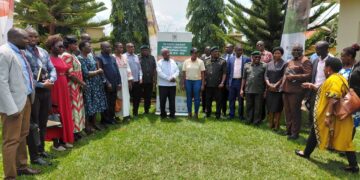
The launch brought together district leaders, government officials, development partners and conservation stakeholders involved in protecting the region’s wildlife and natural resources.
The Minister of Tourism, Wildlife and Antiquities, Hon. (Rtd) Col. Tom Butime, who officially launched the project, urged local leaders and communities to fully support its implementation.
He said the challenges facing the Kidepo landscape were complex and required coordinated efforts from government agencies, local communities, conservation organisations and development partners.
“There are complex challenges that no single institution can solve alone but require partnership, shared vision with the communities and development partners,” Mr Butime said.
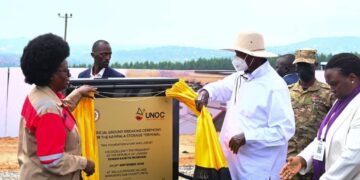
The minister also pointed to government investments in tourism infrastructure as critical to the future of the region.
He cited the ongoing construction of Kidepo International Airport and the planned Kitgum–Karenga Road, saying improved accessibility would make it easier for tourists to visit the area while creating opportunities for local economic development.
Tackling threats to wildlife
Under KLICDP, conservation interventions will focus on improving the management of invasive species, preventing and responding to wildfires, strengthening the capacity of UWA staff and supporting the implementation of the authority’s organisational structure.
The project will also support measures aimed at reducing human-wildlife conflict, one of the major challenges affecting communities living near protected areas.
UWA officials said the interventions are expected to strengthen the resilience of the Kidepo ecosystem, improve wildlife protection and promote greater collaboration between communities, government institutions and conservation partners.
The project is also expected to contribute to improved livelihoods by strengthening the relationship between conservation and communities living around the protected landscape.
UWA calls for collective action
Speaking at the launch, UWA Executive Director Dr James Musinguzi thanked the GEF and UNEP for supporting Uganda’s conservation efforts.
He also acknowledged the contribution of conservation partners, including the International Fund for Animal Welfare (IFAW) and the International Union for Conservation of Nature (IUCN), to UWA programmes.
Dr Musinguzi said continued cooperation was necessary to address growing pressure on protected areas as Uganda’s population increases.
“We must work together to find lasting solutions because our population continues to grow while the available land remains the same,” Dr Musinguzi said.
He expressed optimism that KLICDP, combined with ongoing investments in tourism infrastructure, would strengthen wildlife conservation and contribute to sustainable development across the Kidepo landscape.
The five-year initiative comes at a time when the government is seeking to balance wildlife conservation with the needs of communities living around protected areas.
By addressing threats to biodiversity while supporting community livelihoods and improving access to tourism destinations, the project is expected to strengthen the long-term sustainability of Kidepo National Park and the wider Karenga Wildlife Corridor.