















KAMPALA — The Uganda Wildlife Authority (UWA) is stepping up forest restoration, community conservation and climate-smart livelihood programmes as part of efforts to reduce greenhouse-gas emissions and strengthen the resilience of protected areas.
The initiatives are being implemented through partnerships, including the FACE the Future Project and the Investing in Forests and Protected Areas for Climate-Smart Development (IFPA-CD) Project, supported by the World Bank.
The programmes are being implemented in and around protected areas, where UWA says restoration of degraded ecosystems is helping to improve forest cover while supporting communities to adopt practices that reduce pressure on natural resources.
Richard Kapere, UWA Assistant Commissioner for Conservation Planning, said the authority’s contribution to reducing Uganda’s carbon footprint includes restoring degraded landscapes and strengthening the management of protected areas.
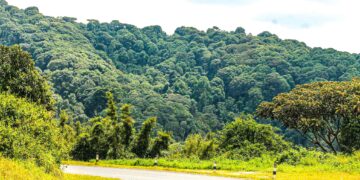
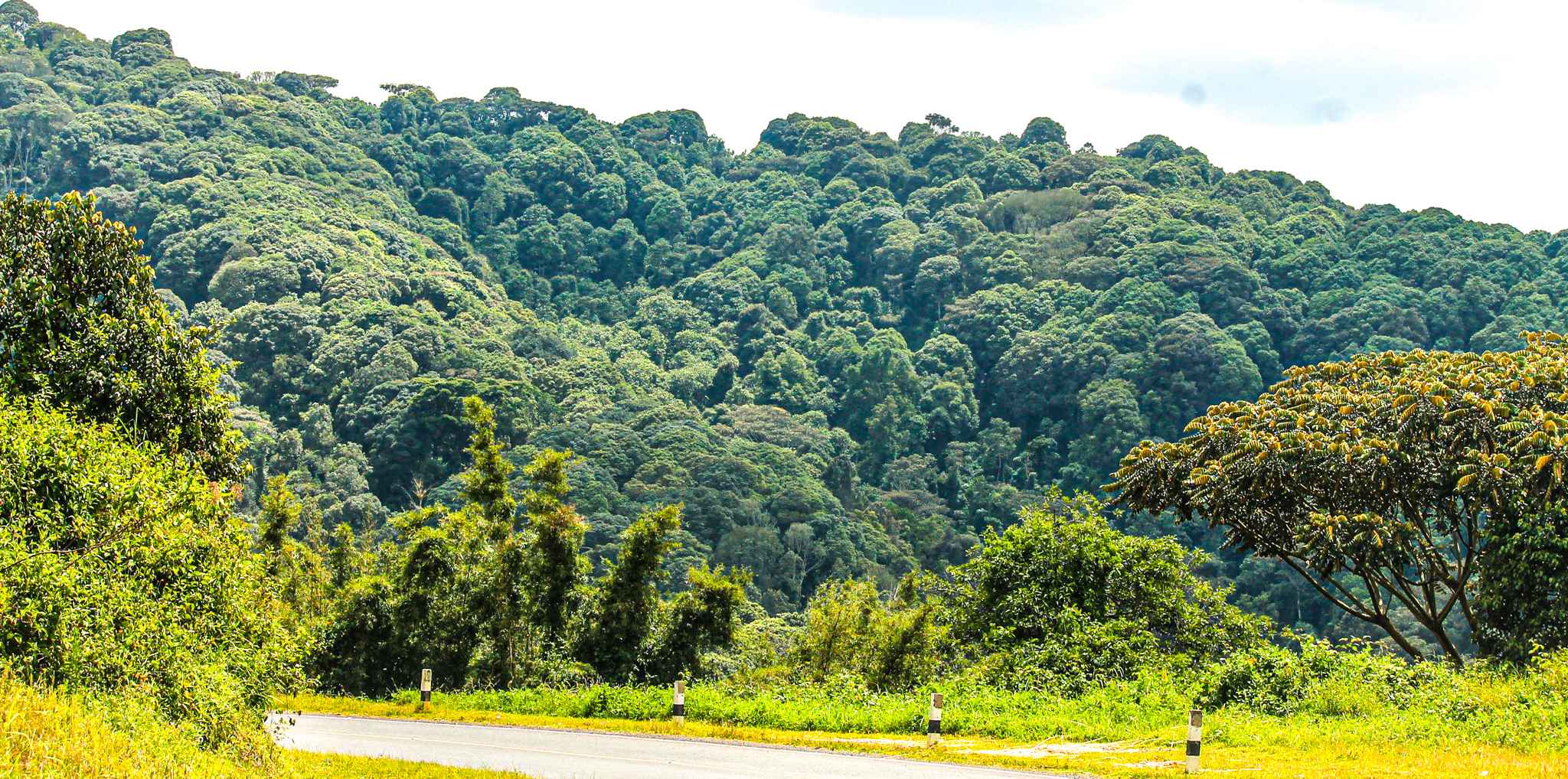
He cited the FACE the Future restoration programme in Kibale National Park and Mount Elgon, where indigenous trees are being planted and maintained.
“The restoration of degraded areas is one of the ways UWA is contributing to reducing Uganda’s carbon footprint,” Mr Kapere said.
The IFPA-CD Project is complementing the restoration work by supporting communities around 11 protected areas to adopt sustainable livelihood and energy practices.
Edgar Buhanga, an IFPA-CD project officer and consultant, said communities are being trained in climate-smart practices, including the construction and use of improved energy-saving cooking stoves.
The stoves require less firewood, helping to reduce demand for forest resources, while other interventions include support for water harvesting through the installation of water tanks.
According to UWA, the FACE project has over the years supported restoration of about 7,250 hectares in Kibale National Park and 3,000 hectares in the Mount Elgon landscape.
Mr Kapere said healthy forests play an important role as natural carbon sinks because they absorb and store carbon while supporting biodiversity and the ecological health of protected areas.
Richard Kigenyi, a senior forestry officer at UWA, said the FACE project in Kibale has also contributed to efforts to protect forests and wetland corridors by encouraging communities to participate in conservation and plant trees on privately owned land.
He said agroforestry could provide communities with economic benefits while also contributing to carbon absorption and environmental protection.
“Through agroforestry, communities can benefit economically from trees while contributing to carbon absorption and environmental protection,” Mr Kigenyi said.
He added that UWA was encouraging communities to avoid agricultural practices and other activities that degrade natural resources.
Mr Kigenyi said conservation should also be viewed as an opportunity for communities to derive economic and environmental benefits rather than solely as a restriction on access to natural resources.
The initiatives come as the world marks Zero Emissions Day, an occasion that highlights efforts to reduce greenhouse-gas emissions and promote environmental sustainability.
For UWA, the restoration programmes and community interventions form part of a broader approach to protecting Uganda’s forests and wildlife habitats while helping communities living around protected areas adapt to climate-related challenges.