
















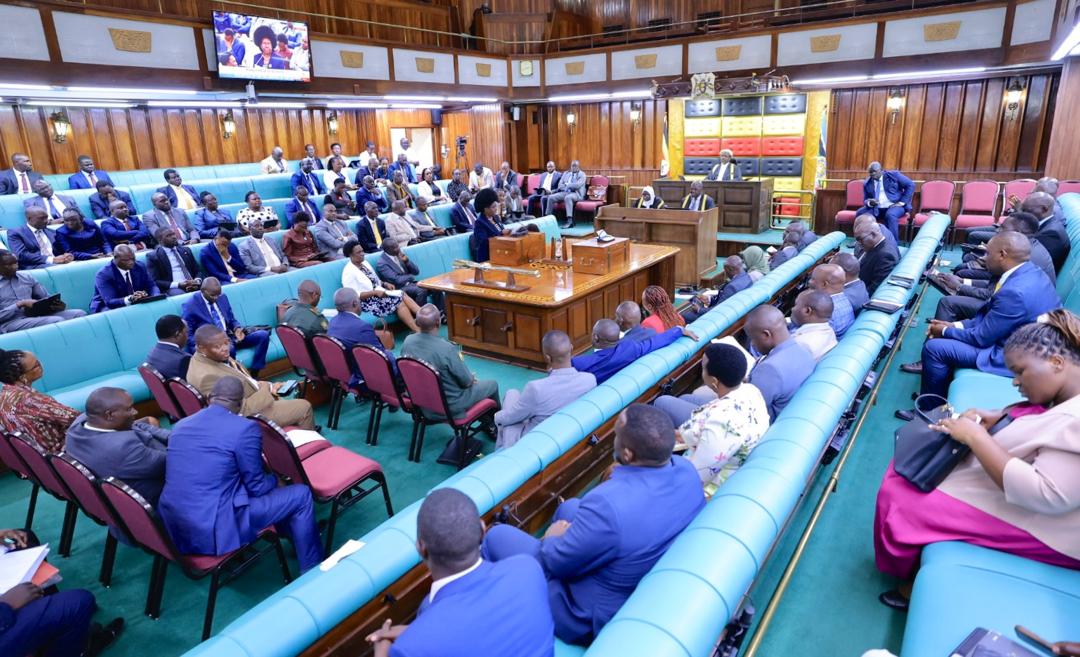
Parliament has demanded a detailed breakdown of fuel prices supplied by the Uganda National Oil Company (UNOC) to oil marketing companies, as lawmakers seek explanations for rising pump prices and their impact on households and businesses.
The demand followed a statement by the Minister of Energy and Mineral Development, Dr Monica Musenero, who attributed the increase to several factors, including the depreciation of the Uganda shilling, higher fuel taxes and pressure on international petroleum supplies.
Presenting the government’s position to Parliament on October 7, Musenero said UNOC acts as a buffer against international price shocks, helping Uganda mitigate supply disruptions and price increases experienced in neighbouring countries.
However, Deputy Speaker Thomas Tayebwa challenged the minister to disclose the actual price at which UNOC sells fuel to oil marketing companies.
The lawmakers want to establish how costs accumulate along the supply chain before petrol and diesel reach consumers at filling stations.
Shilling depreciation adds to pressure
The depreciation of the Uganda shilling against the US dollar has also contributed to concerns over fuel affordability because Uganda relies on imported petroleum products.
Musenero cited a Shs200 increase in fuel excise duty introduced in the 2026/2027 financial year, alongside international supply pressures, as additional factors affecting pump prices.
Leader of the Opposition Joel Ssenyonyi questioned the decision to increase the fuel excise duty, arguing that lawmakers had warned during the budget process that the additional tax could push prices higher.
Other MPs called for temporary tax relief on petroleum products and the suspension of the additional excise duty, saying the higher costs could affect transport, food prices and other essential goods.
Defence Minister Kiryowa Kiwanuka also pointed to international oil market developments, including disruptions associated with tensions around the Strait of Hormuz.
He said Uganda was not facing a fuel shortage but rather a price challenge linked to external market conditions.
Government expected to provide further details
Musenero told Parliament that she had not yet received the detailed information on UNOC’s selling prices but undertook to provide it.
The debate was subsequently adjourned pending a comprehensive government statement addressing fuel prices, exchange-rate movements and the wider economic impact.
The requested breakdown could help lawmakers assess the contribution of international prices, exchange-rate movements, taxes and other supply-chain costs to the final prices paid by motorists.
For households and businesses, the outcome is significant because fuel prices influence transport fares, distribution costs and the prices of goods and services.
Parliament is seeking further information from government as pressure grows for an explanation of the rising cost of fuel and possible measures to ease the burden on consumers.