














Uganda’s ambition to attract more international conferences and business gatherings is placing greater emphasis on hospitality facilities that can accommodate delegates, provide professional conference services and deliver quality visitor experiences.
Speke Resort Munyonyo, owned by businessman Dr Sudhir Ruparelia, is among the facilities serving this market. The resort recently received the Best Luxury MICE Resort Globally award at the 2026 Luxe Global Awards, according to the information provided.
The recognition brings renewed attention to the role of private investment in developing Uganda’s hospitality infrastructure and supporting its efforts to attract international meetings, incentives, conferences and exhibitions (MICE).
Beyond the award, the resort’s profile highlights a broader economic opportunity: using conference tourism to attract visitors, support local businesses and strengthen Uganda’s position in the competitive international events market.
Investment in facilities for international events
Located on the shores of Lake Victoria in Munyonyo, Kampala, Speke Resort combines accommodation, conference facilities, dining and leisure services in one location.
Such facilities are important for organisers of international events, which often require meeting rooms, accommodation, catering, transport coordination and other services for delegates attending programmes that run over several days.
Having these services in one location can simplify event planning and improve convenience for participants. A suitable setting can also provide opportunities for networking and informal engagements outside official conference sessions.
The resort’s lakeside location adds to its appeal for both business and leisure visitors, while its position in Kampala places delegates within reach of government institutions, businesses and other services in the capital.
Investment in conference infrastructure is therefore one component of building a competitive business tourism sector. However, a venue’s long-term success also depends on service quality, operational efficiency, accessibility and its ability to meet changing customer expectations.
Hosting major international summits
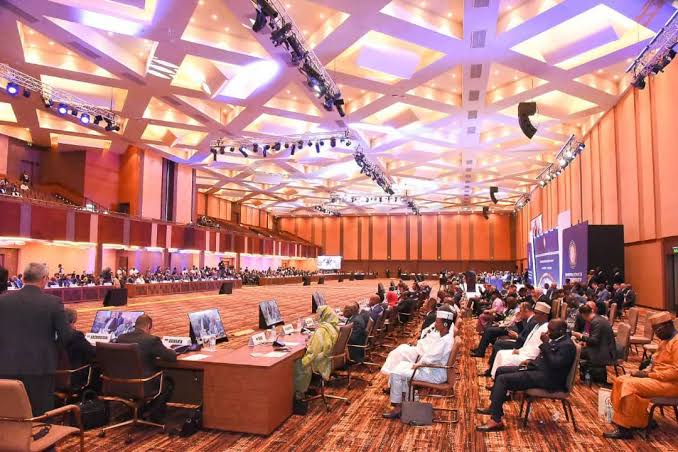
Uganda’s experience hosting high-level international gatherings illustrates the importance of having facilities capable of accommodating large delegations and supporting complex event programmes.
Speke Resort Convention Centre in Munyonyo hosted activities associated with the Non-Aligned Movement (NAM) and Group of 77 (G77) summits in January 2024.
Such gatherings bring together government representatives, diplomats, business leaders and development partners, creating opportunities for discussions on international cooperation, trade, investment and development.
The benefits of hosting major conferences can extend beyond the meetings themselves. Delegates may use local transport, accommodation, restaurants and other services, while businesses can gain opportunities to establish professional relationships and showcase their products.
Speke Resort is one of the facilities serving Uganda’s conference market. Its experience illustrates how hospitality infrastructure can support the country’s capacity to host international events, although the wider success of business tourism also depends on transport links, destination marketing and the overall visitor experience.
The Ruparelia Group’s wider hospitality investments
Speke Resort Munyonyo forms part of the Ruparelia Group’s broader interests in hospitality and leisure. Other establishments associated with the group include Speke Hotel, Kabira Country Club and Speke Apartments.
These facilities serve different accommodation, business and leisure needs, contributing to the range of options available to visitors and organisations operating in Uganda.
A diversified hospitality portfolio can serve different customer segments, from conference delegates and corporate travellers to tourists and domestic guests. Maintaining a competitive position in this market requires investment in facilities, staff development, service standards and operational management.
International recognition can also help raise a property’s profile among prospective visitors and event organisers. Its commercial value, however, ultimately depends on whether that visibility translates into bookings, repeat visits and sustained demand.
For Uganda’s hospitality industry, the broader consideration is how investment in individual properties contributes to the quality and capacity of the country’s overall tourism offering.
How conference tourism supports the economy
Meetings, incentives, conferences and exhibitions, commonly referred to as MICE tourism, form a specialised segment of the travel industry.
Unlike visitors travelling solely for leisure, conference delegates often travel to attend professional meetings, exhibitions, business forums and international summits. Their visits create demand for accommodation, food, transport, event management and other services.
The sector can also provide opportunities for local suppliers, including catering businesses, equipment providers, transport operators and companies supplying conference materials.
International gatherings may create opportunities for businesses to meet potential partners, present their products and establish contacts with investors. Such benefits are not automatic, however; they depend on the nature of the event, the participation of local businesses and the follow-up that takes place after delegates leave.
For Uganda, conference tourism offers an opportunity to complement wildlife, nature and cultural tourism with business-related travel. Visitors attending meetings may also explore local attractions or extend their stays, creating additional demand for tourism services.
The long-term contribution depends on the number and type of events attracted, visitor spending, local participation and the extent to which new business relationships develop into lasting economic activity.
International recognition and Uganda’s profile
The 2026 Luxe Global Awards recognition provides Speke Resort Munyonyo with an opportunity to strengthen its visibility among international hospitality and events audiences.
For Uganda, recognition of a locally developed hospitality facility can help draw attention to the country’s capacity to host high-level meetings and accommodate international visitors.
However, competing for global events requires more than individual hotel facilities. Event organisers also consider destination accessibility, transport infrastructure, safety, professional support services and the reliability of arrangements across the host city.
Uganda’s competitiveness will therefore depend on coordination between hospitality operators, tourism agencies, transport providers, event organisers and other stakeholders.
Promoting the country as a conference destination also requires clear information about facilities, reliable service delivery and evidence of its ability to accommodate events of different sizes and requirements.
Sustaining investment beyond the award
The recognition comes amid broader efforts to strengthen Uganda’s tourism and business-event sectors. For hospitality investors, awards can provide visibility, but maintaining that position requires continued investment and consistent service delivery.
Facilities must respond to changing customer expectations, maintain their infrastructure and train staff to meet the needs of both domestic and international guests. They must also operate in a market where destinations and hospitality businesses compete for visitors and major events.
For Uganda, the opportunity is to translate investment in conference facilities into sustained tourism activity, stronger local supply chains and meaningful business connections.
Speke Resort Munyonyo’s role in hosting international gatherings and its reported 2026 award highlight the contribution hospitality infrastructure can make to this effort.
Ultimately, the value of conference tourism will be measured not by awards alone, but by the events attracted, visitors served, local businesses engaged and lasting economic opportunities generated.