











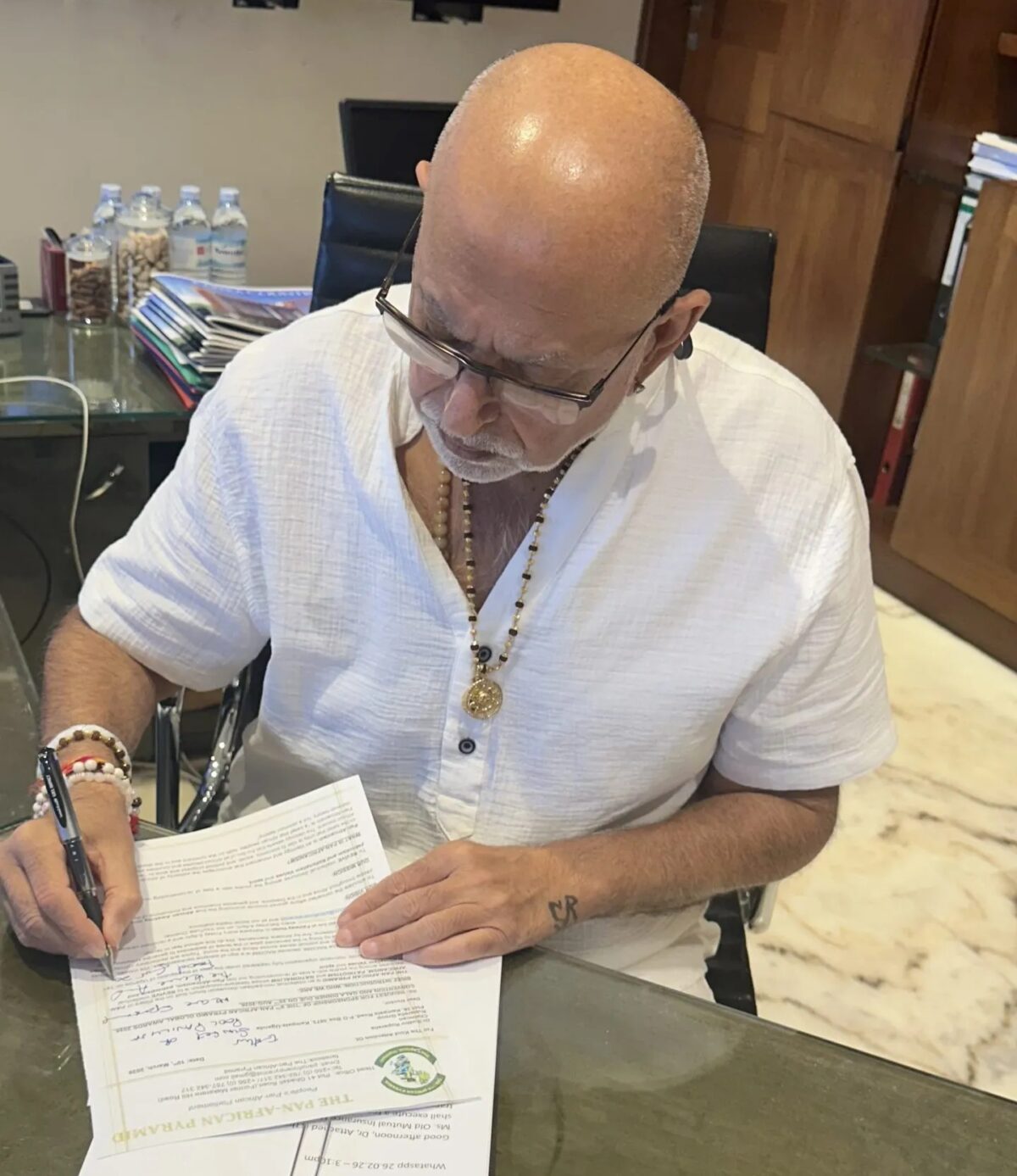
KAMPALA — Ruparelia Group chairman Dr Sudhir Ruparelia has defended the contribution of Ugandans of Asian origin to the country’s economy, arguing that the community has played a significant role in creating jobs, driving investment, expanding industry and contributing to national tax revenue.
Speaking during a discussion at Crane Chambers, Dr Ruparelia said businesses owned by Ugandans of Indian origin should be viewed as major employers and investors rather than competitors for local jobs.
“I’m employing over ten thousand people,” he said, adding that the relatively small Asian community continues to make a significant contribution to Uganda’s economic development.
According to Dr Ruparelia, Uganda’s Asian community comprises about 30,000 people within a national population of roughly 50 million but has invested heavily in sectors such as manufacturing, hospitality, real estate and services.
He said these investments have generated thousands of jobs for Ugandans while supporting industrialisation and economic growth.
The businessman also stressed the importance of tax compliance, describing payment of taxes as both a legal obligation and a civic responsibility.
“As a citizen of the country, it is my obligation to pay taxes,” he said.
Dr Ruparelia disclosed that companies under the Ruparelia Group contribute substantial amounts in taxes annually.
He said one company within the group remits about Shs2.5 billion in Value Added Tax (VAT) every month and approximately Shs30 billion annually in corporation tax.
He further said he is among the country’s leading taxpayers in the real estate sector, contributing more than Shs12 billion in taxes annually in addition to between Shs9 billion and Shs10 billion in VAT, alongside withholding taxes, Pay As You Earn (PAYE) and other statutory obligations paid by the group’s various businesses.
Beyond taxation, Dr Ruparelia attributed the group’s growth to disciplined corporate governance, professional management and strong financial controls.
He said each company within the diversified conglomerate operates under dedicated management and accounting systems, allowing managers to focus on delivering results in their respective sectors.
Using the education sector as an example, he argued that school administrators should concentrate on improving learning outcomes while financial professionals oversee accounting and compliance.
Dr Ruparelia also shared his personal philosophy on entrepreneurship, saying he only ventures into businesses that genuinely interest him.
“When you enjoy doing something, then you’re doing it with passion,” he said.
He noted that passion, discipline and long-term planning have been central to his success over several decades in business.
Reflecting on Uganda’s economic progress, Dr Ruparelia said the country has experienced significant transformation through improved infrastructure, industrial expansion and increased local manufacturing.
He observed that many products now found on supermarket shelves are produced locally, which he said demonstrates the growth of Uganda’s manufacturing sector.
According to him, while many indigenous entrepreneurs have traditionally focused on trade and real estate, many investors of Asian origin have concentrated on manufacturing, hospitality and industrial ventures that create employment and add value to the economy.
Away from business, Dr Ruparelia spoke about his role as Nepal’s Honorary Consul in Uganda, describing it as voluntary public service aimed at assisting Nepali nationals and strengthening bilateral relations between Uganda and Nepal.
He also reflected on the legacy of his late son, Rajiv Ruparelia, describing him as a young entrepreneur whose contributions to business and society continue to be remembered.
Dr Ruparelia said Rajiv’s impact extended beyond the family business, noting that his legacy continues to inspire many young entrepreneurs.
His remarks come ahead of a commemorative event organised by Pan African Pyramid, which is scheduled to celebrate Rajiv Ruparelia’s life and legacy on August 29 at Speke Resort Munyonyo.
Concluding the discussion, Dr Ruparelia said Uganda’s continued economic progress depends on entrepreneurship, investment, sound management and a shared commitment to national development.
He said his own journey—from arriving in Britain as a refugee to returning and building one of East Africa’s largest privately owned business groups—reflects the opportunities that Uganda offers to those willing to invest, work hard and plan for the future.