













Uganda’s economic growth is facing a critical test as households and businesses struggle with rising living costs, expensive borrowing, currency depreciation and limited employment opportunities, raising questions about how the country can make its economic progress more inclusive.
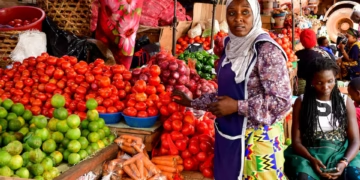
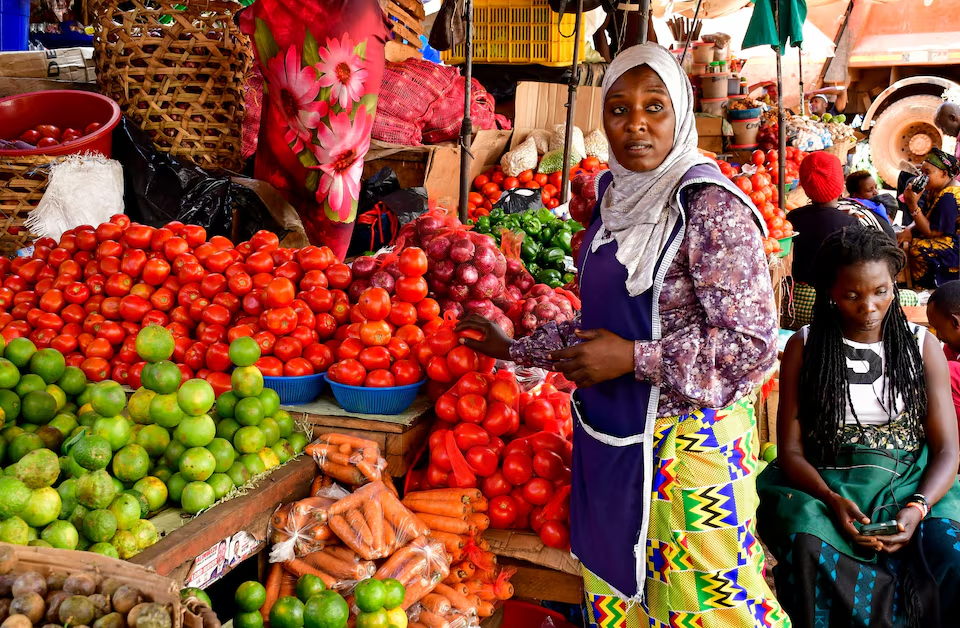
Although the economy expanded by 6.4 per cent during the 2025/2026 financial year, economists and policy analysts argue that the benefits of this growth are not reaching enough households, particularly low-income earners, small-scale farmers and young people seeking employment.
The pressure has become more evident following the depreciation of the Uganda shilling against the US dollar, which has increased the cost of imported goods, fuel, machinery and other essential commodities.
According to the Uganda Bureau of Statistics, annual headline inflation increased to 5.8 per cent in October 2026, up from 4.6 per cent in September. Food inflation rose to 10.7 per cent from 4.5 per cent, adding pressure on household expenditure.
The rising prices have complicated efforts by businesses to maintain affordable goods and services while protecting their operating margins.
Finance Minister Henry Musasizi recently acknowledged the economic pressures, telling Parliament that government was concerned about the speed of the shilling’s depreciation and its impact on businesses and household welfare.
Government has responded through monetary and fiscal interventions, including tighter monetary policy, expenditure controls and measures aimed at strengthening foreign exchange earnings.
The Bank of Uganda raised its Central Bank Rate from 9.75 per cent to 12 per cent in October, while increasing commercial banks’ cash reserve requirements from 11 per cent to 13.5 per cent.
However, higher interest rates have also raised concerns about the cost of borrowing, particularly for businesses and individuals with floating-rate loans.
One of Uganda’s major economic challenges is ensuring that economic expansion generates sufficient employment and improves incomes across different sections of society.
Timothy Chemonges, executive director of the Centre for Policy Analysis, has argued that the country’s economic growth is not generating enough jobs or broad-based improvements in household welfare.
Figures cited in recent economic discussions indicate unemployment at 12.2 per cent, youth unemployment at 17.9 per cent and employment among the working-age population at 44.7 per cent.
The limited reach of formal employment also raises questions about the ability of economic growth to support household financial security.
Economist Dr Enock Nyorekwa Twinoburyo has pointed to National Social Security Fund figures showing approximately 823,000 active accounts, highlighting the limited coverage of formal employment and social security.
The banking sector presents another indication of financial vulnerability. More than 29 million deposit accounts had balances below Shs1 million as of December 2025, according to figures cited by Dr Twinoburyo.
These figures suggest that economic growth must be accompanied by stronger job creation, improved household earnings and wider access to financial opportunities.
Agriculture remains one of the sectors with significant potential to improve household incomes and reduce poverty, particularly in rural communities.
Despite Uganda’s favourable climate and agricultural potential, many farmers continue to face challenges associated with low productivity, inadequate storage facilities, limited access to markets and unpredictable commodity prices.
Dr Paddy Mugambe, a senior finance consultant at Uganda Management Institute, has argued that economic growth concentrated in capital-intensive sectors such as oil and gas, mining, construction and large infrastructure projects may benefit asset owners more than ordinary wage earners and subsistence farmers.
He has called for greater investment in productive infrastructure and agro-processing to enable Uganda to move beyond exporting largely unprocessed commodities.
Expanding irrigation, improving agricultural storage, strengthening extension services and supporting farmers to access reliable markets could help increase productivity and reduce post-harvest losses.
Value addition would also allow farmers to earn more from their produce while creating employment opportunities in processing, packaging, transportation and distribution.
For a country with a significant population engaged in agriculture, improving the productivity of smallholder farmers remains important to achieving inclusive economic development.
The cost of operating businesses has emerged as another obstacle to employment creation and private-sector expansion.
High electricity tariffs, expensive credit, transport costs, taxation and regulatory requirements continue to affect businesses, particularly small and medium-sized enterprises.
Sarah Bireete, executive director of the Centre for Constitutional Governance, has identified low agricultural productivity, expensive credit, weak public services, corruption and inequality among the factors preventing economic growth from translating into improved household incomes.
She has called for government to support manufacturing, small businesses and the creative and digital economy while addressing the high cost of doing business.
Reducing unnecessary regulatory requirements, improving access to affordable financing and ensuring reliable electricity could help businesses expand their operations and employ more workers.
Small businesses are particularly important because they provide livelihoods for many Ugandans who are not covered by formal employment arrangements.
Timothy Chemonges has similarly argued that the cost of electricity, transport, credit, taxation and licensing should be addressed to enable businesses to create more jobs.
The management of public resources is also central to efforts to restore stronger and more inclusive economic growth.
Dr Mugambe has raised concerns about borrowed government funds remaining unutilised while the country continues to incur interest payments.
This points to the need for improved project planning, timely implementation and accountability in public expenditure.
Government has also announced measures to control expenditure as it responds to pressure on the currency and other economic indicators.
In his October 27 address to Parliament, Mr Musasizi said ministries and government agencies had been directed to align spending commitments with available resources while ensuring that existing obligations were paid.
He also outlined longer-term interventions targeting agricultural productivity, agro-processing, manufacturing, tourism and mineral value addition as ways of increasing foreign exchange earnings.
However, the success of these measures will depend on implementation, effective monitoring and the ability of public institutions to deliver services efficiently.
Restoring confidence in the economy will require more than controlling inflation and stabilising the exchange rate.
Uganda must also strengthen productive sectors, expand employment opportunities and ensure that economic growth improves the financial circumstances of ordinary citizens.
Investment in agriculture, manufacturing, infrastructure and technology could create opportunities for businesses while supporting the country’s long-term development ambitions.
Equally important is improving access to affordable capital, strengthening public services and ensuring that young people acquire skills that respond to the demands of the labour market.
For millions of households, economic recovery will ultimately be measured not only by GDP growth figures but also by the ability to afford food, transport, education, healthcare and decent housing.
The challenge facing policymakers is therefore to build an economy in which growth is reflected in stronger household incomes, productive employment and improved living standards across the country.