











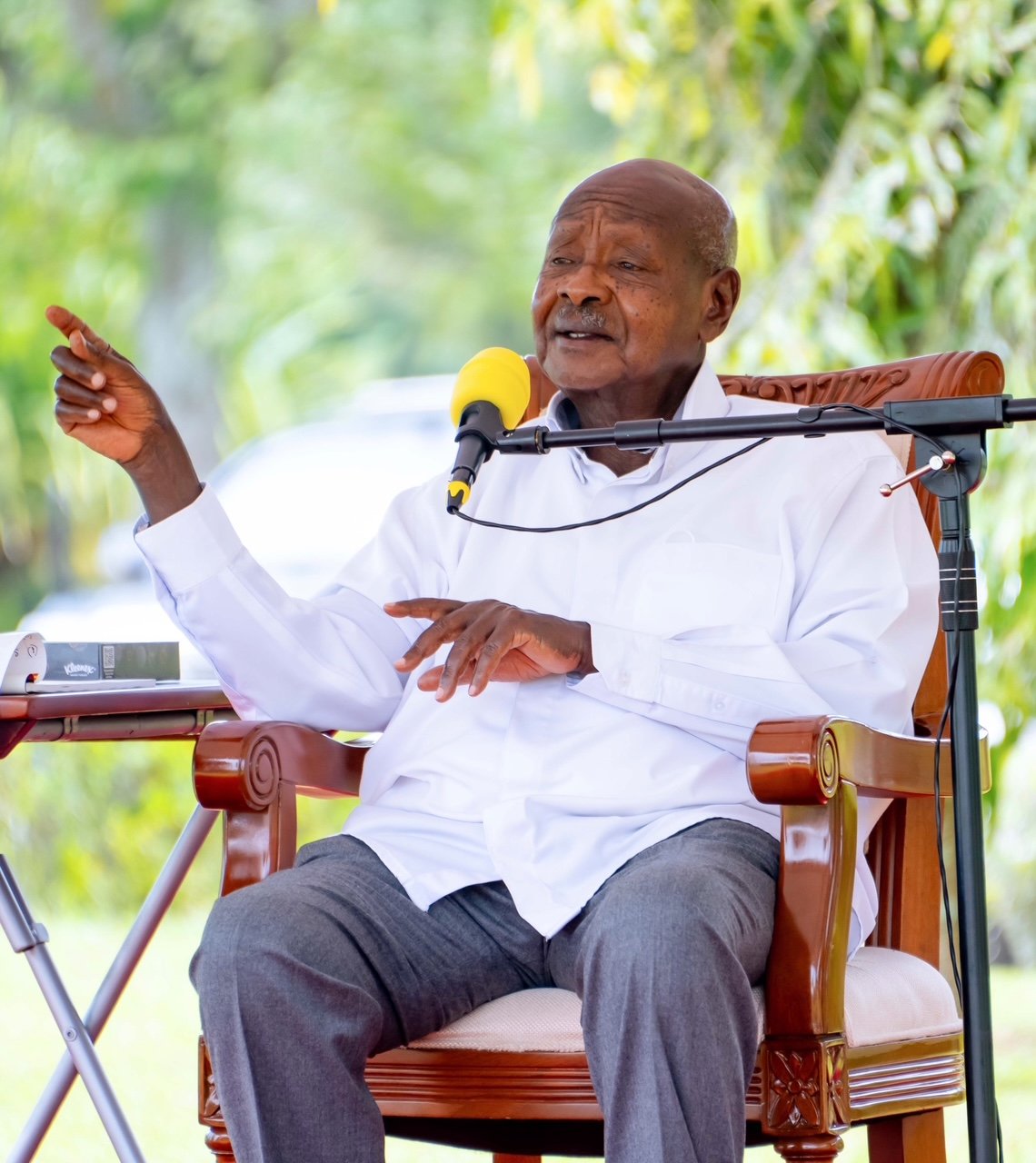
KAMPALA — President Yoweri Kaguta Museveni has clarified the intent of the proposed Protection of Sovereignty Bill, 2026, emphasising that it is aimed at safeguarding Uganda’s independence in policy decision-making and not restricting economic freedoms or private financial flows.
In a detailed statement shared through his official X (formerly Twitter) handle , the President reaffirmed Uganda’s commitment to a free-market economy and defended the continued flow of legitimate investments, remittances, and foreign exchange transactions.
He stressed that government policy does not restrict citizens or investors from sending or receiving money earned legally abroad.
“None of our policies says: do not send to Uganda or take out of Uganda money you have earned legally anywhere in the world,” Museveni said in the post.
The President reiterated that Uganda operates a liberal economic system where forex transactions are handled through privately run bureaux, describing this as a pillar of economic resilience.
“We run a free economy. Forex is bought and sold in privately run Forex bureaus,” he noted, adding that private sector activity plays a key role in balancing inefficiencies within public administration.
According to Museveni, the central purpose of the Bill is to protect Uganda’s sovereignty in making independent policy decisions across political, economic, social, and diplomatic spheres.
“Sovereignty means: ‘Please, muteleke (leave us alone), so that we make our own decisions,’” he stated.
He further cautioned against external influence through funding aimed at shaping domestic policy outcomes.
“Do not fund groups to influence our decisions as a country,” he warned.
The President emphasised that Uganda’s sovereignty is exercised through constitutional mechanisms, including elections and referenda, which allow citizens to determine national direction.
Reflecting on Africa’s independence journey, he noted that sovereignty includes the right for nations to make decisions, even imperfect ones, and learn from them.
“Independence means the right to make our own mistakes if necessary and learn from them,” he said.
Museveni further assured stakeholders that the Bill will be refined to avoid misinterpretation or unintended impact on private enterprise and financial flows.
“The Bill will concentrate on the sovereignty of policy decision-making and not meander into areas of private enterprise or money transfers,” he said.
He concluded by urging influence through example rather than coercion, calling for constructive engagement in shaping public policy.
“Let your light so shine before men… influence people by example and not by coercion or manipulation,” he added.
The Protection of Sovereignty Bill, 2026 remains under parliamentary review as debate continues over its scope and implications.