













KAMPALA, April 28 — The Bank of Uganda has issued a stark warning over the proposed Protection of Sovereignty Bill 2026, cautioning that the legislation could destabilise the economy, weaken the shilling, and trigger a surge in inflation if passed in its current form.
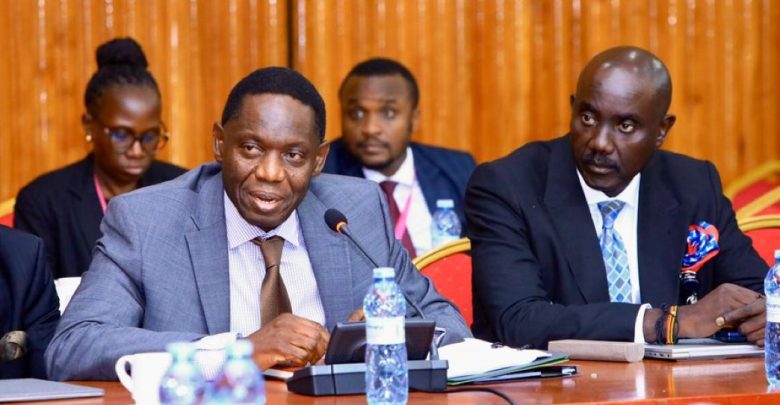
Appearing before Parliament’s Joint Committee on Defence and Internal Affairs and the Legal and Parliamentary Affairs Committee, Governor Michael Atingi-Ego delivered a blunt message: restricting foreign financial inflows risks undoing years of economic progress.
“A country without reserves is not sovereign,” Atingi-Ego told legislators, adding that the Bill poses a direct threat to Uganda’s balance of payments.
The Governor revealed that Uganda recorded a balance of payments surplus of USD 1.5 billion in the last financial year, enabling foreign reserves to rise to nearly USD 6 billion.
These inflows, ranging from foreign direct investment and remittances to portfolio capital, have been crucial in stabilising the economy and financing imports.
“The moment you tamper with these inflows, we risk running down our reserves, and that is economic disaster,” he warned.
Inflation and Shilling Pressure
The central bank cautioned that restricting foreign inflows could weaken the shilling, pushing up the cost of essential imports such as fuel, medicine, and industrial inputs.
Atingi-Ego warned that inflation, currently around 3%, could rise above the Bank’s 5% target, forcing difficult policy choices, either raise interest rates and constrain business activity or allow prices to spiral.
Such an outcome would disproportionately affect low-income households already grappling with the rising cost of living.
In a notable disclosure, Atingi-Ego said the Bank of Uganda was not consulted during the drafting of the Bill, raising concerns about its technical robustness.
The central bank has since proposed amendments, including exemptions for regulated financial institutions and safeguards to protect investor confidence and financial stability.
The Protection of Sovereignty Bill 2026 seeks to regulate individuals and organisations deemed “agents of foreigners,” placing tighter controls on foreign funding and activities considered to undermine national interests.
While supporters argue the Bill is necessary to protect Uganda’s sovereignty, critics warn that its broad provisions could disrupt investment flows, restrict remittances, and damage the country’s reputation as a stable investment destination.
Financial sector players, including the Uganda Bankers Association, have already flagged risks of tighter credit conditions, reduced lending, and declining investor confidence.
With the central bank now formally raising the alarm, the debate around the Bill has intensified.
Critics argue that a law intended to safeguard sovereignty could instead weaken it by undermining economic resilience.
For ordinary Ugandans, the stakes are high—ranging from rising prices to slower growth and fewer job opportunities.
As Parliament continues its deliberations, the key question remains whether lawmakers will heed the central bank’s warning or press ahead with the legislation.