










KAMPALA — Government has reiterated that the implementation of the national Trade Order will continue as originally planned, following a Cabinet decision aimed at restoring order in urban trading centres across the country.
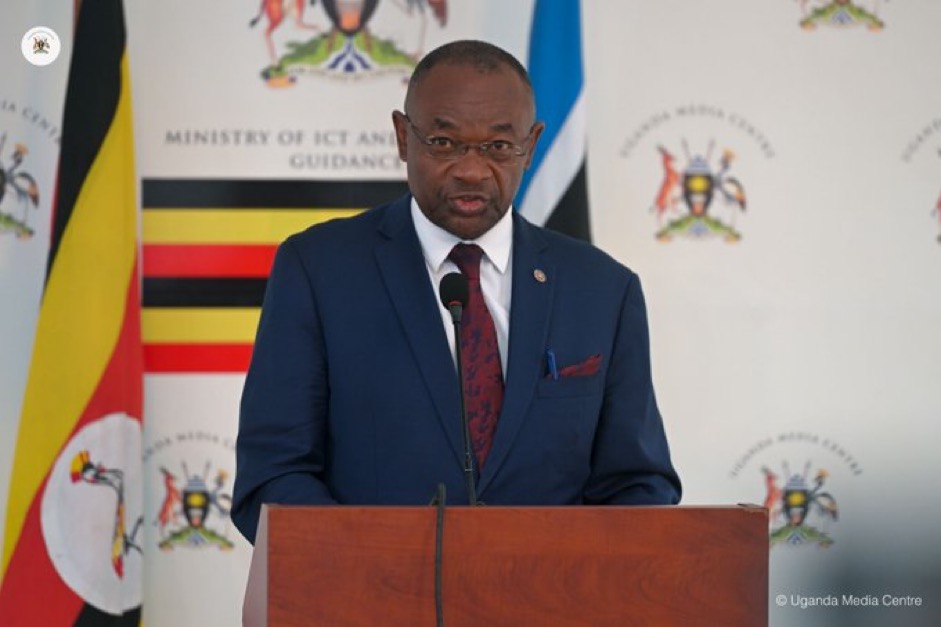
Speaking on the matter, Local Government Minister Raphael Magyezi said Cabinet, during its sitting on Monday, April 27, 2026, resolved that the enforcement of the Trade Order should proceed without reversal, despite earlier reports of a temporary suspension.
“I’m here to inform you that Cabinet, at its sitting yesterday on Monday, April 27, 2026, agreed that the implementation of the Trade Order should continue as earlier planned,” Magyezi said.
The clarification follows days of mixed signals after government officials and Parliament discussions suggested a possible pause in enforcement to allow broader consultations with stakeholders, including traders and religious leaders.
However, government now maintains that the policy remains active, with emphasis on structured implementation to avoid disruption of economic activity while ensuring compliance with urban planning and trade regulations.
The Trade Order, introduced under local government and urban planning frameworks, targets the organisation of trading activities in municipalities and cities, aiming to eliminate illegal vending, improve market use, and enhance public order in urban centres.
Authorities argue that the policy is key to promoting clean, safe, and well-organised towns, as well as improving revenue collection and business formalisation.
In recent weeks, the exercise has triggered debate among traders, civil society actors, and legislators, with concerns raised over livelihoods and the pace of enforcement. Government, however, insists that consultations have been integrated into the implementation process and will continue alongside enforcement.
Officials say further guidelines are expected to streamline operations as the rollout continues across the country.
For now, Cabinet’s position signals continuity of the Trade Order programme, setting the stage for renewed enforcement by local authorities.