








In the calm countryside of western Uganda, where rolling green hills meet banana plantations and morning mist drifts over homesteads, a private family ceremony marked a significant personal milestone within the First Family.
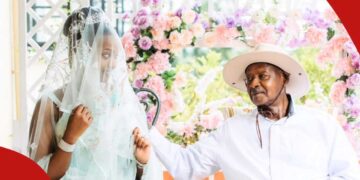
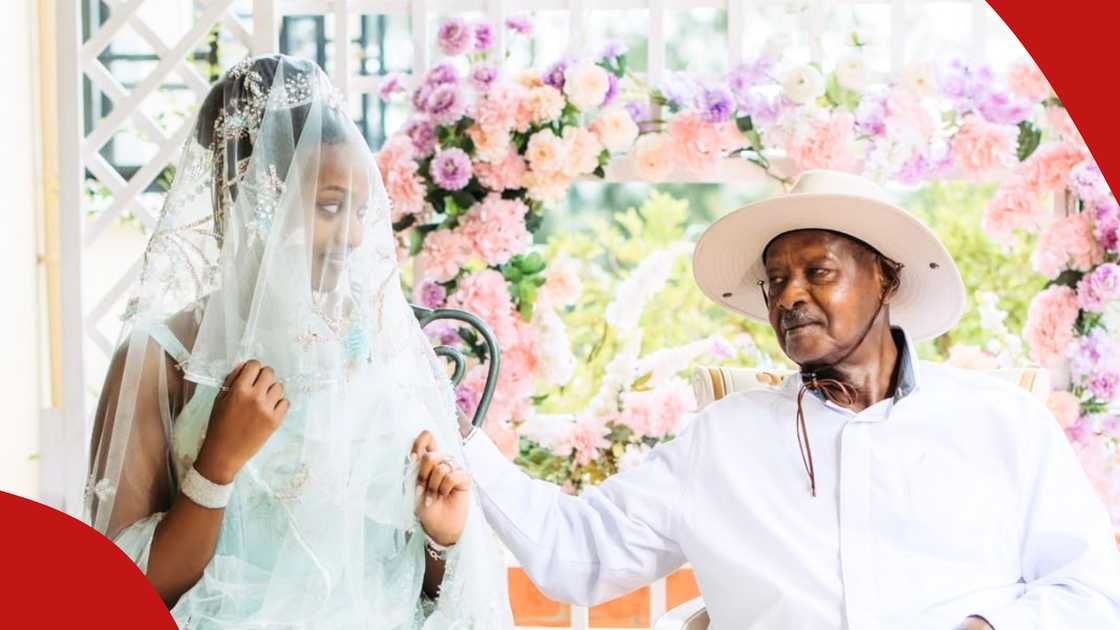
Nsasiirwe Keinembabazi Karugire, known within the family as Sasi and granddaughter of President Yoweri Kaguta Museveni, was joined in marriage to the son of Lt. Gen. Sam Kavuma in a traditional ceremony attended by close relatives and invited guests.
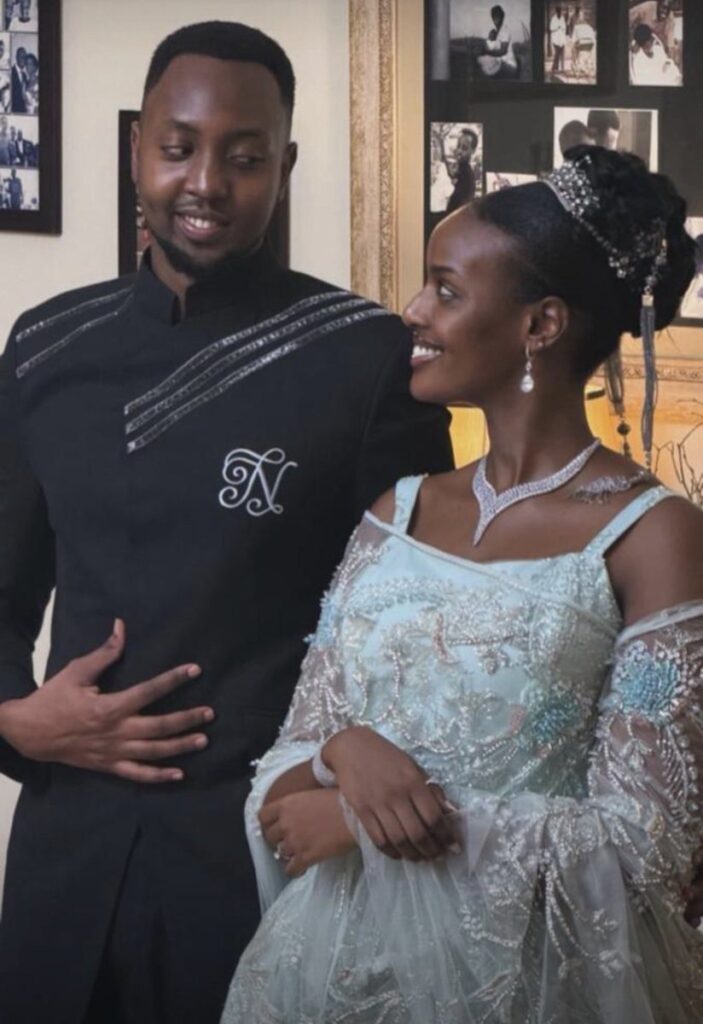
Though not a public or state event, the wedding naturally drew attention, reflecting the quiet intersection between Uganda’s political history and its prominent family networks.
Sasi, dressed in a flowing white gown, was accompanied by her parents Natasha Museveni and Edwin Karugire as cultural performances, traditional Ankole dances, and rhythmic drumming set the tone for the celebration. The ceremony highlighted deep-rooted cultural practices that continue to shape family life even within Uganda’s modern elite circles.
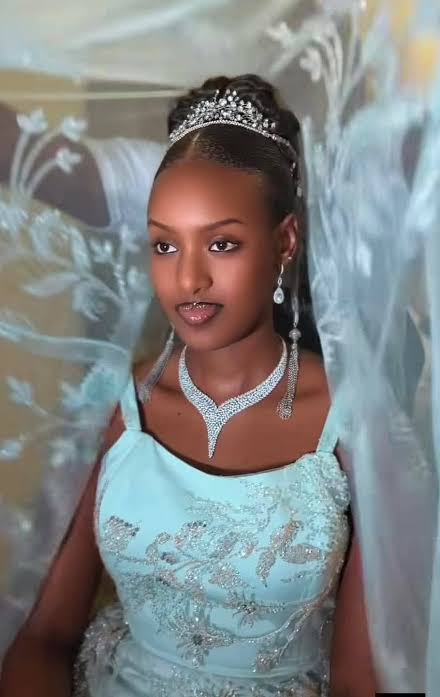
President Museveni attended the occasion and later shared reflections on his social media platforms, expressing gratitude for witnessing another milestone in his family’s generational journey, and emphasizing themes of faith, continuity, and time.
The celebration also comes at a time when First Lady Janet Museveni was absent due to medical treatment, a matter that has drawn public messages of support and goodwill.
Beyond the ceremony itself, the occasion stirred broader reflection among observers about Uganda’s journey through decades of political and social change, from the turbulent 1970s and early 1980s to the long period of reconstruction and relative stability that followed.
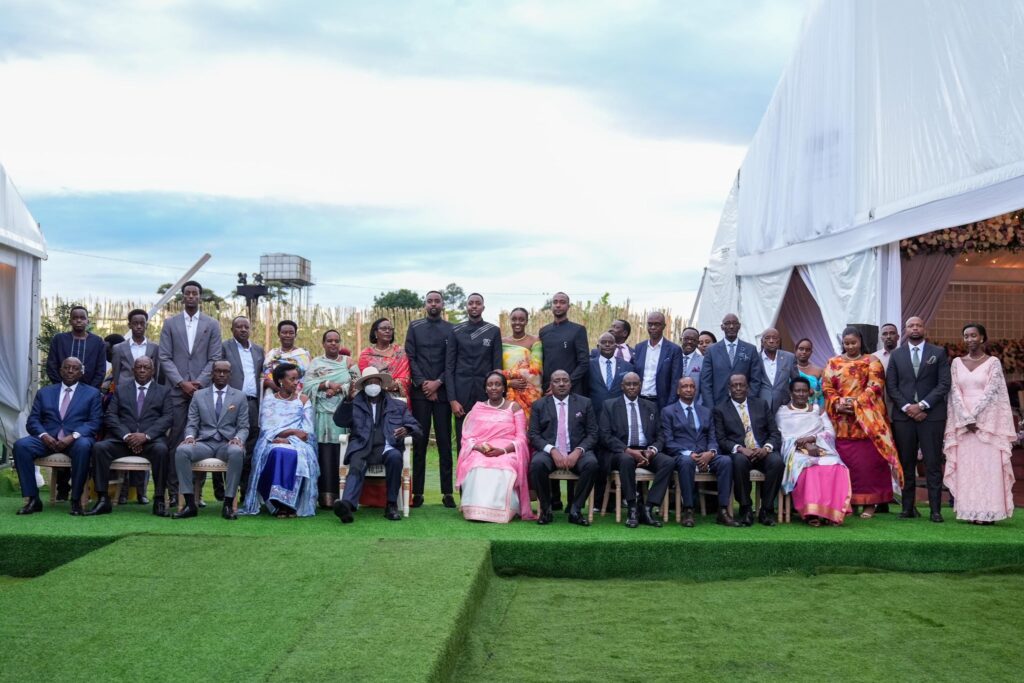
While such family milestones do not directly alter national economic challenges such as unemployment or rising living costs, they often evoke reflection on continuity, stability, and generational transition within Uganda’s leadership families.
As celebrations concluded, what remained was a simple image: a young couple beginning a new chapter of life, surrounded by family history, cultural identity, and quiet public interest.
For many observers, the moment underscored a broader reality of Ugandan life, where private milestones often carry public meaning, and where family, culture, and national history frequently intersect in subtle but visible ways.
In the end, the ceremony stood as a reminder that beyond politics and public roles, life continues to unfold in families across the country, one celebration, one transition, and one generation at a time.
l