
















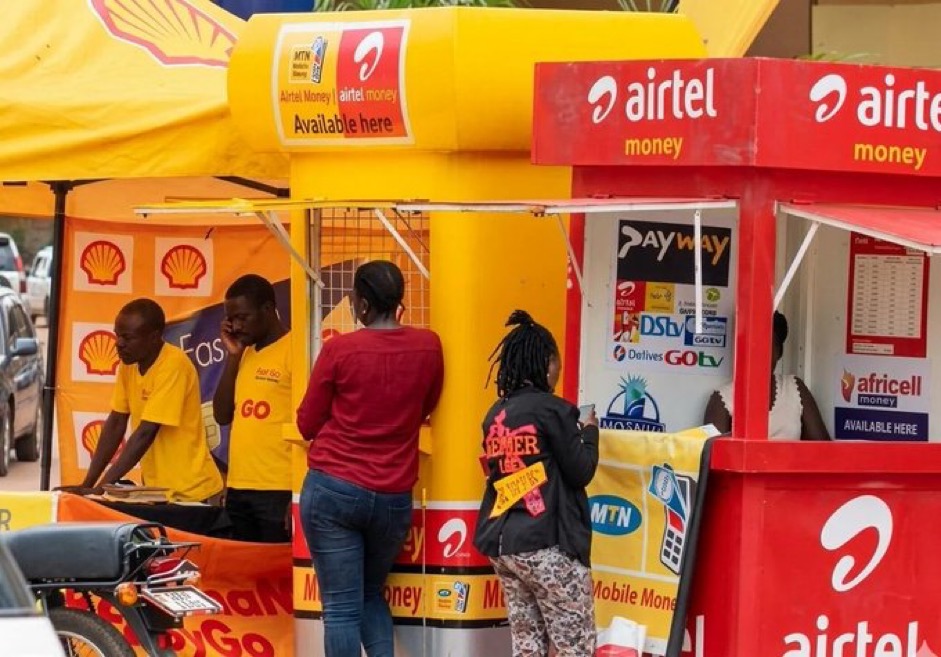
KAMPALA — Uganda has recorded a significant decline in active mobile money accounts, with nearly 22 million wallets becoming inactive as regulators tighten SIM card registration requirements and telecommunications companies intensify efforts to eliminate fraudulent accounts.
According to the latest report by the Uganda Communications Commission (UCC), only 36.7 million of the country’s 58.7 million registered mobile money accounts remained active during the first quarter of 2026, representing a substantial drop in usage across the sector.
Industry analysts attribute the decline largely to stricter SIM card registration and biometric verification measures introduced to enhance security and combat fraud. The exercise has led to the deactivation of thousands of unregistered or improperly registered SIM cards, many of which were linked to mobile money wallets.
The crackdown has also prompted many subscribers to abandon secondary SIM cards and consolidate their financial transactions onto a single mobile money account, reducing the number of active wallets across the market.
In recent years, it has been common for Ugandans to maintain multiple SIM cards from different telecommunications providers to take advantage of varying network offers and mobile money services. However, rising transaction costs and the increased compliance burden associated with maintaining multiple lines have encouraged many users to streamline their digital financial activities.
Experts say the trend reflects changing consumer behaviour within Uganda’s rapidly evolving digital finance landscape.
“Users are becoming more selective about the accounts they actively maintain. Many are opting for one primary wallet that meets most of their transaction needs, rather than keeping several dormant accounts,” an industry analyst observed.
Despite the decline in active accounts, experts argue that the development should not necessarily be interpreted as a reduction in mobile money adoption. Instead, they say it may indicate a healthier and more efficient ecosystem where registered accounts more accurately reflect actual usage.
The reduction in inactive and fraudulent accounts is also expected to strengthen consumer protection and improve the integrity of digital financial services.
Uganda remains one of Africa’s leading mobile money markets, with millions of people relying on the service for payments, savings, remittances and business transactions. The platform continues to play a critical role in advancing financial inclusion, particularly among populations with limited access to traditional banking services.
Regulators maintain that ongoing SIM verification and registration efforts are necessary to safeguard users, prevent financial crime and ensure greater accountability within the telecommunications and mobile money sectors.
As the industry adjusts to the new regulatory environment, analysts expect operators to focus increasingly on improving service quality, affordability and customer retention rather than merely expanding the number of registered accounts.