









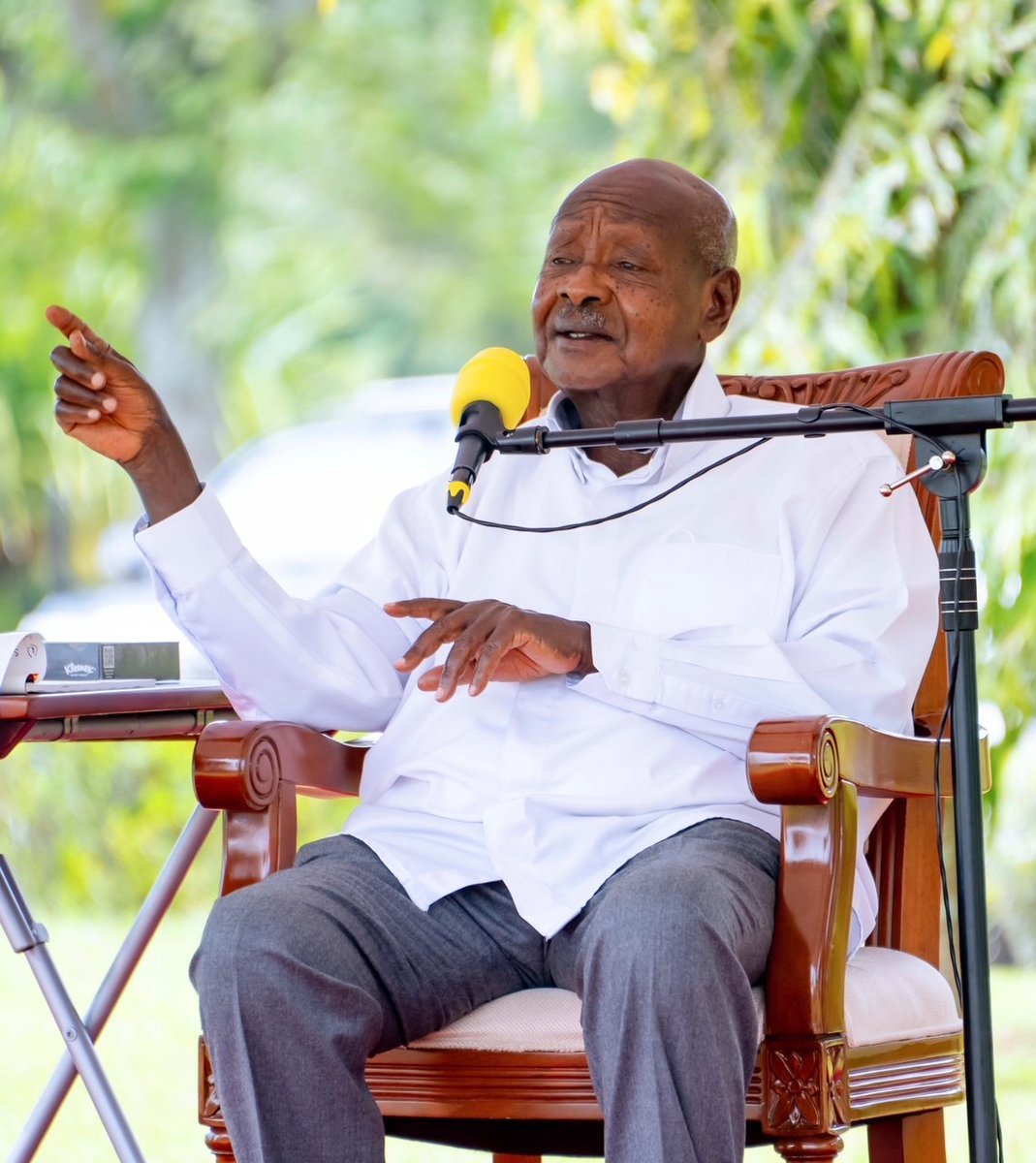
Kampala, Uganda — President Yoweri Museveni is expected to address the nation this evening on the evolving Ebola outbreak, amid growing public concern, increased international travel restrictions, and intensified efforts by health authorities to contain the spread of the disease.
The address, scheduled for 8pm on Wednesday, June 10, will be broadcast live on television, radio, and digital platforms nationwide.
The anticipated communication comes as Uganda continues to implement stringent public health measures following the confirmation of Ebola cases linked to the ongoing outbreak of the Bundibugyo strain in Uganda and neighbouring Democratic Republic of Congo (DRC).
Government sources indicate that the President is expected to provide an update on the country’s preparedness and response efforts, outline containment measures, and offer guidance to the public on preventing further transmission.
The address follows weeks of heightened surveillance and precautionary measures, including the postponement of the annual Uganda Martyrs Day pilgrimage, the scaling down of national events such as Heroes Day celebrations, and enhanced screening at border points and health facilities.
Current Situation
According to the Ministry of Health, Uganda has so far registered 19 confirmed Ebola cases linked to the outbreak.
Of these, 14 cases involve members of the same family who crossed into Uganda from the DRC. The remaining five are Ugandan nationals, including four health workers, who came into contact with the infected Congolese patients.
Health authorities have confirmed that the outbreak involves the Bundibugyo strain of the Ebola virus, for which there is currently no licensed vaccine or approved specific treatment. As a result, early detection, isolation of cases, contact tracing, and supportive medical care remain the primary tools for controlling the disease.
The World Health Organisation (WHO) on May 17 declared the outbreak a Public Health Emergency of International Concern (PHEIC), citing concerns over cross-border transmission and the absence of approved vaccines for the Bundibugyo strain.
WHO, Africa CDC Intensify Response
The WHO and the Africa Centres for Disease Control and Prevention (Africa CDC) have launched a $518 million continental response plan to support efforts aimed at containing the outbreak in Uganda, the DRC, and neighbouring countries.
WHO Director-General Dr Tedros Adhanom Ghebreyesus, who recently visited Mulago National Referral Hospital, commended Uganda’s surveillance and response systems but cautioned that the outbreak remains a significant regional threat requiring sustained vigilance and close cross-border coordination.
Health experts believe the virus may have circulated undetected for several months before being officially identified, complicating efforts to trace contacts and interrupt transmission chains.
International Impact
The outbreak has prompted several countries to tighten travel and health screening measures.
The United States has imposed entry restrictions on certain travellers who have recently visited Uganda, the DRC, and South Sudan, while other countries have introduced enhanced screening protocols at airports and border crossings.
Some international sporting events involving teams from affected countries have also been affected. Reports indicate that a planned World Cup warm-up match involving DR Congo was relocated due to Ebola-related concerns, while global sports authorities continue to monitor the situation ahead of the FIFA World Cup.
Uganda has similarly introduced temporary restrictions affecting transport links with parts of eastern DRC as authorities seek to minimise cross-border transmission risks.
Government Assurances
Despite the outbreak, President Museveni has repeatedly assured the public that Uganda’s health system remains capable of managing the situation without resorting to nationwide lockdowns or disrupting economic activity.
While delivering the State of the Nation Address last week, the President said the government remained firmly in control of the situation and urged citizens to remain calm while adhering to public health guidelines.
He also underscored the importance of regional cooperation, noting that infectious disease outbreaks do not respect national borders.
What to Expect from the Address
Ugandans are expected to receive updates on the latest status of confirmed Ebola cases, government plans regarding schools, places of worship and public gatherings, travel and border control measures, the country’s readiness to manage additional cases, and the public health precautions citizens should continue to observe.
The address is likely to provide further clarity on the government’s next course of action as health authorities work to contain the outbreak and prevent further spread of the virus.