










Kampala — Uganda is set to deepen wildlife conservation awareness and education through the establishment of Regional Wildlife Conservation Education Centres across different parts of the country, in a move aimed at bringing conservation closer to local communities.
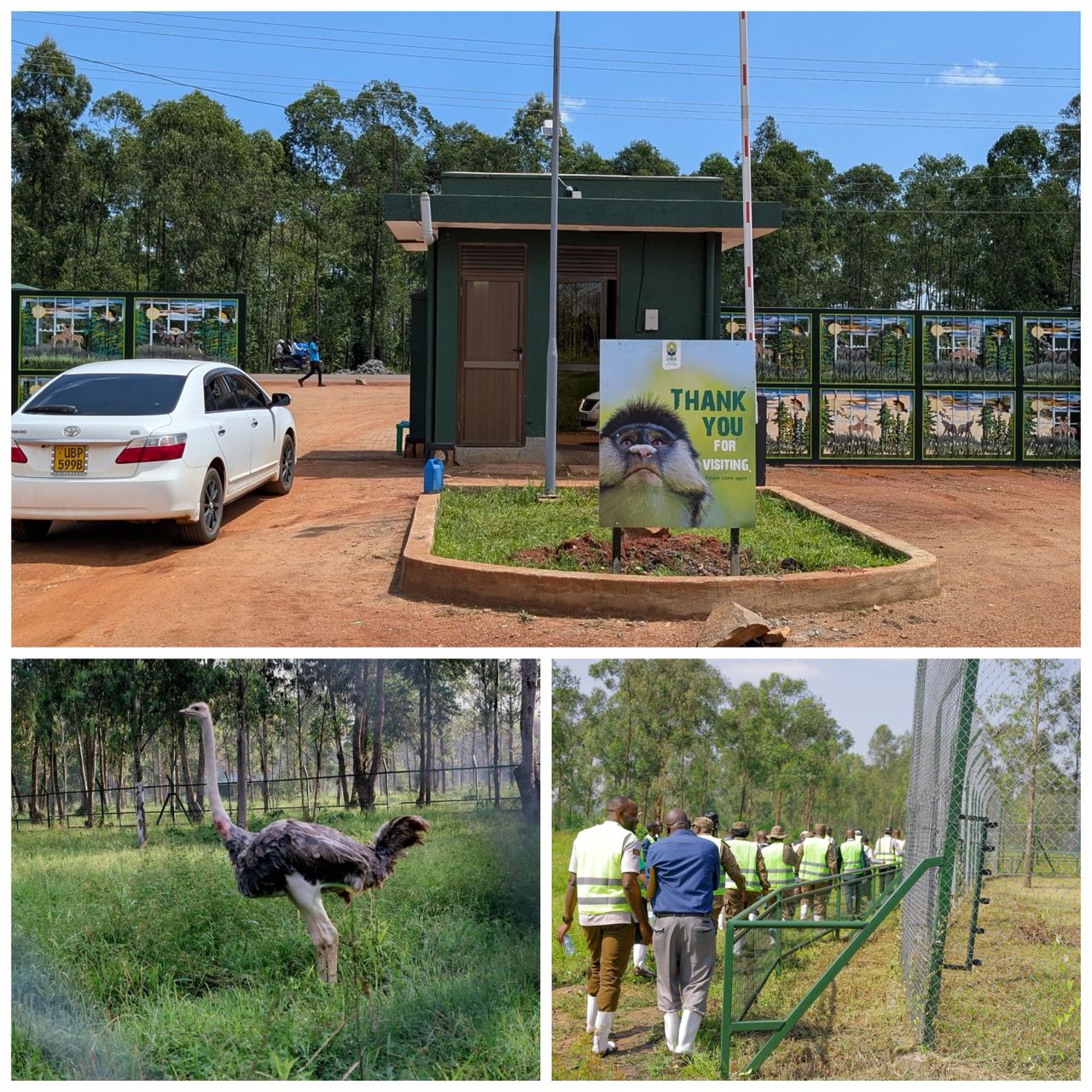
The initiative, being implemented by the Uganda Wildlife Authority (UWA), will see the development of centres in Mbale, Gulu, Mbarara and Kyenjojo. The facilities will be rolled out in phases, with the first centre scheduled to be officially launched in Mbale this Friday.
According to UWA, the project seeks to strengthen public understanding of wildlife conservation while creating opportunities for communities, particularly young people, to engage directly with conservation efforts.
The Mbale facility, located in Eastern Uganda, will serve as the country’s first regional wildlife conservation education centre and is expected to play a key role in promoting environmental stewardship among surrounding communities.
UWA officials say the centres have been strategically planned to improve access to conservation education for both rural and urban populations that may not have the opportunity to visit Uganda’s major national parks and wildlife facilities.
“The goal is to bring conservation closer to the people and foster a deeper appreciation of Uganda’s wildlife heritage,” UWA said in a statement.
According to the wildlife authority, the selected locations were identified following extensive assessments that considered accessibility, population density, educational outreach potential and the presence of unique but vulnerable wildlife species within the respective regions.
Officials say the centres will not only showcase wildlife but will also function as hubs for environmental education, research, community engagement and conservation advocacy.
The initiative is expected to support Uganda’s broader conservation agenda by increasing public awareness about threats facing wildlife, including habitat loss, poaching, illegal wildlife trade and climate change.
By establishing regional centres, UWA hopes to cultivate a culture of conservation among younger generations and encourage communities living near wildlife habitats to become active partners in protecting biodiversity.
Experts say conservation education remains one of the most effective tools for ensuring the long-term survival of wildlife species and ecosystems.
The new centres are expected to complement existing conservation programmes while also boosting domestic tourism by providing educational and recreational opportunities closer to communities.
The facilities are likely to attract school groups, researchers, tourists and conservation enthusiasts interested in learning more about Uganda’s rich biodiversity.
Uganda is home to some of Africa’s most iconic wildlife species, including mountain gorillas, elephants, lions, giraffes, chimpanzees and numerous bird species. However, conservationists continue to warn that many species face growing threats from human activities and environmental pressures.
The planned centres are part of ongoing efforts to ensure that conservation is not viewed solely as a government responsibility but as a shared commitment involving communities, educational institutions and other stakeholders.
UWA officials say increasing conservation awareness at the grassroots level is essential for protecting wildlife resources and ensuring that future generations appreciate their ecological and economic value.
The launch of the Mbale centre marks the first step in what authorities describe as a long-term strategy to strengthen wildlife conservation education across Uganda.
As construction and development continue in Gulu, Mbarara and Kyenjojo, conservation stakeholders hope the regional facilities will inspire greater public participation in safeguarding the country’s natural heritage.
The initiative comes at a time when Uganda is seeking to expand conservation outreach while promoting sustainable tourism and environmental stewardship among communities across the country.