










KAMPALA — The Uganda Wildlife Authority (UWA) and the African Wildlife Foundation (AWF) are set to embark on a long-term collaborative management partnership aimed at strengthening conservation efforts in Kidepo Valley National Park, with AWF committing up to $21 million (approximately Shs78.8 billion) over the next decade.
The proposed partnership, which has already received approval from the UWA Board of Trustees, seeks to enhance wildlife conservation, ecosystem protection, and sustainable community livelihoods within the broader Kidepo Valley Conservation Landscape (KVCL).
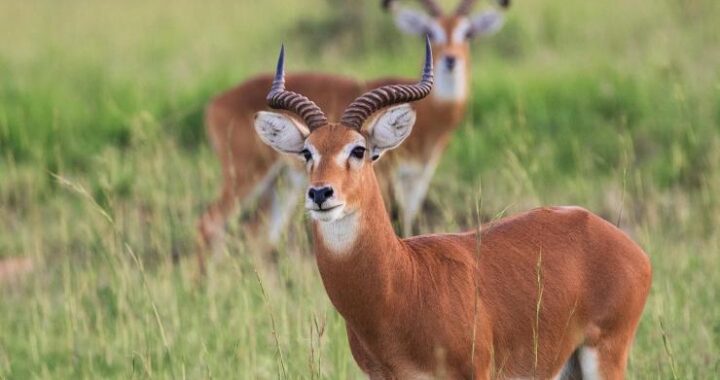
Kidepo Valley National Park, located in Uganda’s northeastern Karamoja region, is one of the country’s most important protected areas, renowned for its diverse wildlife, rugged savannah landscapes, and unique biodiversity.
In a letter dated April 9, 2026, addressed to AWF Uganda, UWA Executive Director Mr. James Musinguzi confirmed that the UWA Board had endorsed the proposal and authorized the development of a detailed business plan to guide fundraising and implementation.
According to the proposed framework, AWF will invest up to Shs78.8 billion over a 10-year period. An initial Shs3.8 billion is expected to be released upon signing of the agreement, with the remaining funds disbursed progressively throughout the partnership.
Mr. Musinguzi said the collaboration is expected to strengthen conservation management not only within Kidepo Valley National Park but also in the Karenga Community Wildlife Management Area, surrounding central forest reserves, and other biodiversity-rich areas within the conservation landscape.
“Together, we aim to transform the Kidepo Valley Conservation Landscape into a resilient ecosystem and a sustainably managed protected area that contributes to Uganda’s socio-economic development while promoting conservation and improving community livelihoods,” he said.
AWF already works closely with conservation agencies in Uganda through programmes focused on wildlife protection, anti-poaching operations, wildlife crime prevention, conservation education, and human-wildlife conflict mitigation.
Among its notable initiatives is the Canines for Conservation programme, which deploys trained sniffer dogs and handlers at Entebbe International Airport to detect and prevent wildlife trafficking.
The organisation has also partnered with UWA and the Office of the Director of Public Prosecutions to strengthen wildlife crime investigations and prosecutions through capacity-building initiatives.
In communities bordering protected areas, AWF supports measures aimed at reducing human-wildlife conflict, including equipping local wildlife scouts with deterrent tools and promoting climate-smart, wildlife-friendly agricultural practices that provide alternative income sources while minimizing crop destruction by wild animals.
While specific details of the co-management arrangement are still being developed, UWA officials say the partnership will focus on improving conservation outcomes, mobilising additional resources, and ensuring long-term sustainability of one of Uganda’s most treasured wildlife landscapes.
The proposed agreement remains subject to legal clearance and approval by the Attorney General before formal implementation begins.