










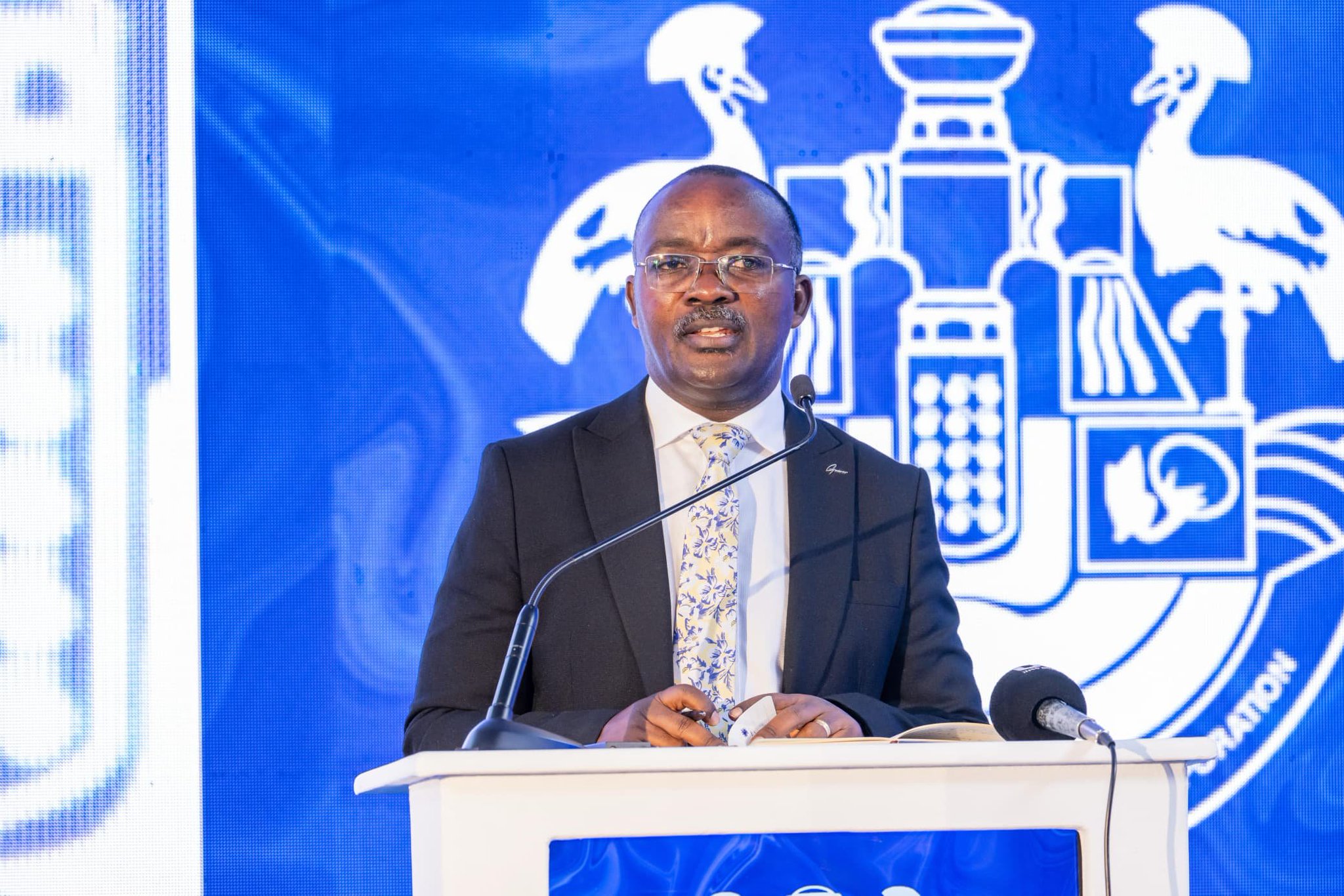
The National Water and Sewerage Corporation has launched its Strategic Plan 2025–2030, outlining an ambitious roadmap aimed at expanding access to safe and reliable water and sanitation services across Uganda over the next five years.
The new strategy seeks to increase the number of people served by the Corporation from the current 19.5 million to 26.2 million by 2030 as part of broader efforts to improve public health, support urbanisation, and accelerate socio-economic development.
Speaking during the launch, officials from NWSC said the Corporation also plans to expand water connections to 1.294 million, a move expected to bring clean and dependable water services closer to households, institutions, and businesses across the country.
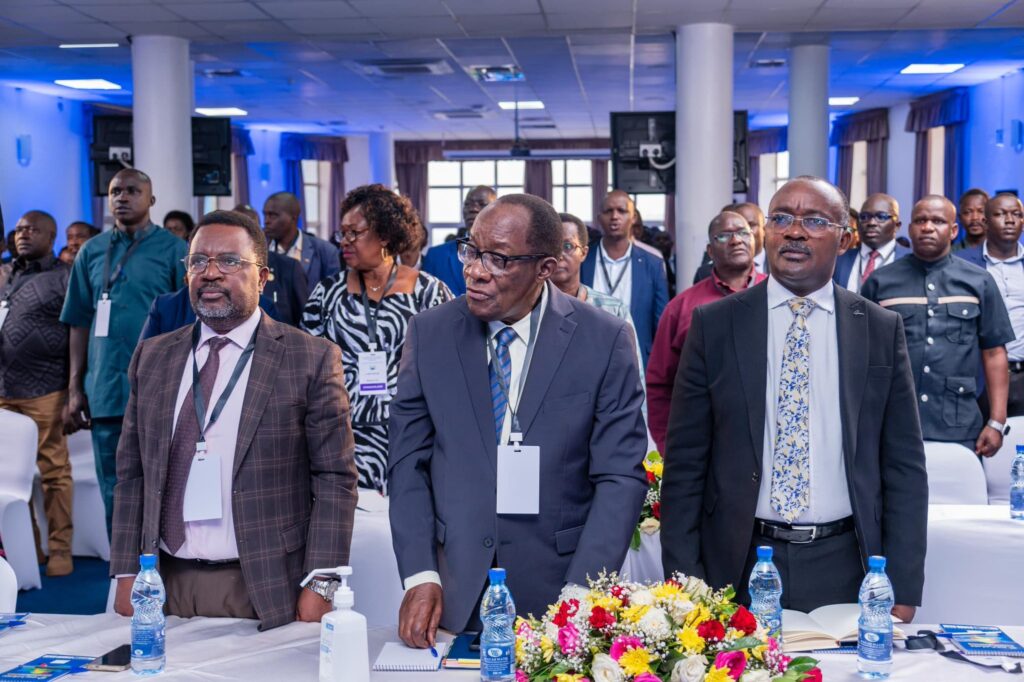
According to the Strategic Plan, the Corporation will prioritise investments in infrastructure expansion, network rehabilitation, and improved service delivery to meet the growing demand for clean water in both urban and emerging town areas.
The plan further targets reducing Non-Revenue Water, water lost through leakages, illegal connections, and system inefficiencies, from 34 per cent to 28 per cent. NWSC officials noted that addressing water losses will improve operational efficiency, enhance service reliability, and strengthen the Corporation’s financial sustainability.
In line with global environmental commitments, the Strategic Plan also places emphasis on climate resilience and environmental protection. NWSC said it intends to strengthen water source protection initiatives and invest in resilient infrastructure capable of withstanding the effects of climate change, including prolonged droughts and flooding.
Implementation of the five-year strategy is estimated to cost approximately Shs6.79 trillion. The Corporation said funding will be mobilised through a combination of internally generated resources, Government support, and partnerships with development agencies and financial institutions.
Officials noted that successful implementation of the plan is expected to boost economic productivity, create employment opportunities, improve sanitation standards, and contribute towards Uganda’s long-term development agenda.

NWSC has since called upon stakeholders, development partners, local leaders, and communities to support the implementation of the Strategic Plan to ensure universal access to safe water and improved sanitation services across the country.
The launch comes at a time when demand for clean water and sanitation services continues to rise due to rapid population growth, urban expansion, and increasing pressure on existing infrastructure.