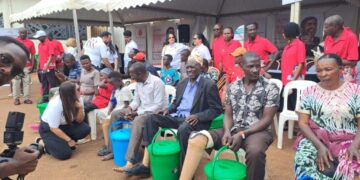









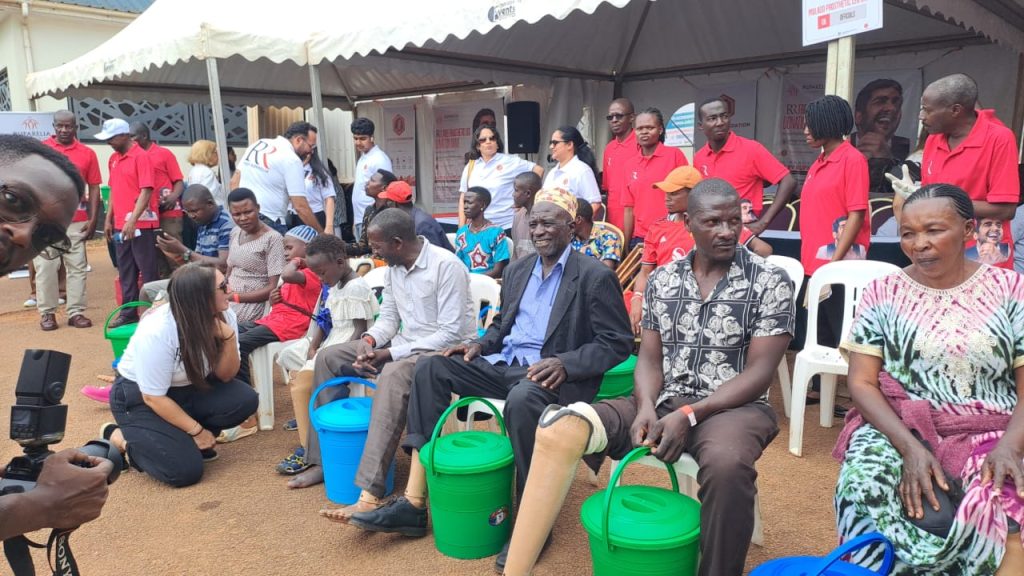
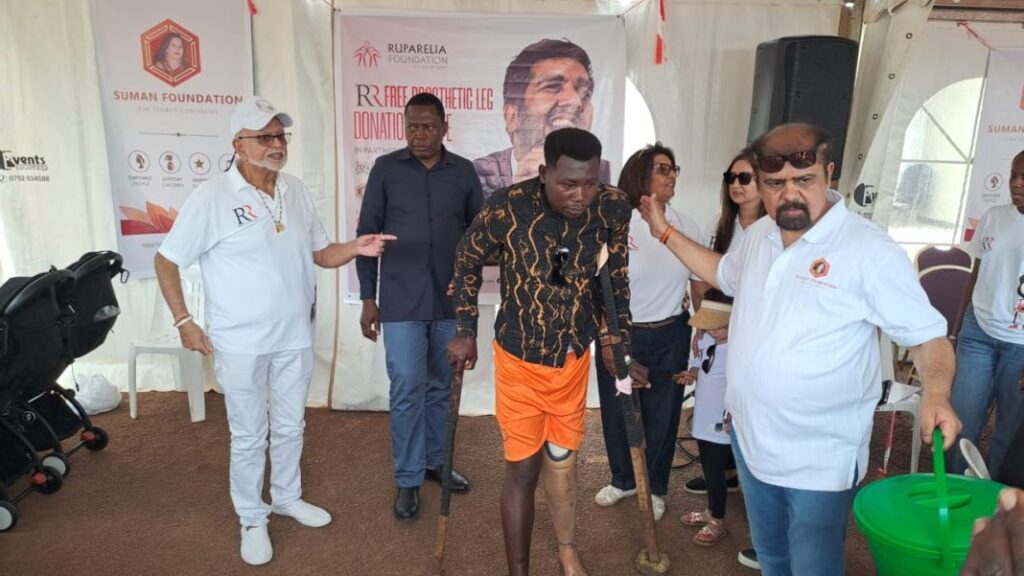
Kampala, Uganda — What began as a day of remembrance became a life-changing moment for dozens of Ugandans, as the Ruparelia Foundation turned grief into hope by donating prosthetic limbs to more than 40 amputees at Mulago National Referral Hospital.
Marking one year since the tragic passing of Rajiv Ruparelia, the emotional outreach held on Sunday, May 3, restored mobility and dignity to beneficiaries in a tribute defined not by mourning, but by meaningful action.
Twenty amputees were fitted with prosthetic limbs on-site, while another 20, including four children, were assessed and are expected to receive theirs within the next two weeks.
For many, it was more than receiving a medical device. It was the restoration of independence, confidence, and the possibility of starting life anew.
Speaking during the outreach, Jyotsna Ruparelia described the initiative as a continuation of Rajiv’s deeply compassionate spirit.
“Today is not just about remembering him, it is about continuing him,” she said.
“Every prosthetic given today is someone walking again, living again. Through every life we touch, you are still here. We will not only remember you, we will continue you.”
Her words captured the essence of a tribute that transformed personal loss into public service.
Hospital leaders praised the initiative as timely and transformative, citing the overwhelming demand for prosthetic services across Uganda.
Rosemary Kusaba Byanyima revealed that the hospital currently faces a significant backlog of patients in need of prosthetic support.
“We had about 200 patients waiting, and even more came forward after the announcement,” she said.
“Many out there do not even come because they have lost hope. This gesture is extraordinary. You could have stayed home mourning, but instead you chose to give.”
She also highlighted the urgent need for investment in modern prosthetic technology, noting that outdated equipment continues to limit service delivery.
Chairperson of the hospital board, Philippa Musoke, commended the family for channeling heartbreak into compassion.
“It is easy to be consumed by grief, but the family has chosen to uplift others. These limbs restore dignity, independence, and possibility,” she said.
Representing Uganda’s Ministry of Health, Charles Olaro noted that approximately 5.5 million Ugandans — about 13.5 percent of the population — live with some form of disability, many of whom require assistive devices.
“What we are witnessing today is part of a broader effort to address mobility challenges and improve quality of life,” he said.
“Disability is not inability. With the right support, every individual can contribute meaningfully to society.”
One of the day’s most emotional moments came when young Arie Ruparelia delivered a heartfelt tribute that moved many in attendance.
“One year ago, we lost our uncle, but today we continue his legacy. He believed in giving people hope, especially to those who cannot walk.”
The outreach, organised in partnership with the Suman Venkatesh Foundation, forms part of a broader remembrance programme dedicated to ensuring Rajiv’s legacy lives on through acts of service.
In a country where thousands still lack access to essential assistive care, the initiative offered more than prosthetic limbs.
It delivered something equally vital: hope.