









Kampala. Uganda and the Democratic Republic of Congo (DRC) have strengthened bilateral trade and investment cooperation following the signing of a new Memorandum of Understanding (MoU) aimed at expanding exports, improving market access and promoting industrial development between the two countries.
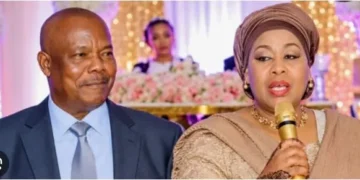
The agreement was signed between the Uganda Free Zones and Export Promotion Authority (UFZEPA) and the Agence Nationale de Promotion des Exportations (ANAPEX) during the 9th Session of the Uganda–DRC Joint Permanent Commission held at State House Entebbe.
The meeting was presided over by President Yoweri Kaguta Museveni and his DRC counterpart Félix Tshisekedi, reflecting renewed political commitment to regional economic integration and cross-border trade facilitation.
The MoU is expected to enhance structured bilateral trade, increase export volumes, attract investment and strengthen industrial cooperation between Uganda and the DRC.
It also focuses on improving value addition in key sectors such as agriculture, manufacturing and mineral-based industries, which both countries have identified as priority areas for economic transformation.
Officials say the agreement is intended to formalise trade flows that have largely remained informal, particularly along the shared border areas where thousands of traders operate daily.
Speaking after the signing, UFZEPA Executive Director Hez Kimoomi Alinda said the partnership represents a major step in strengthening Uganda’s export competitiveness and regional market access.
He noted that the agreement will provide structured pathways for exporters and investors to tap into the Congolese market, one of Uganda’s largest regional trading partners.
“This collaboration will enhance export promotion, facilitate investment flows and support value addition across priority sectors,” he said.
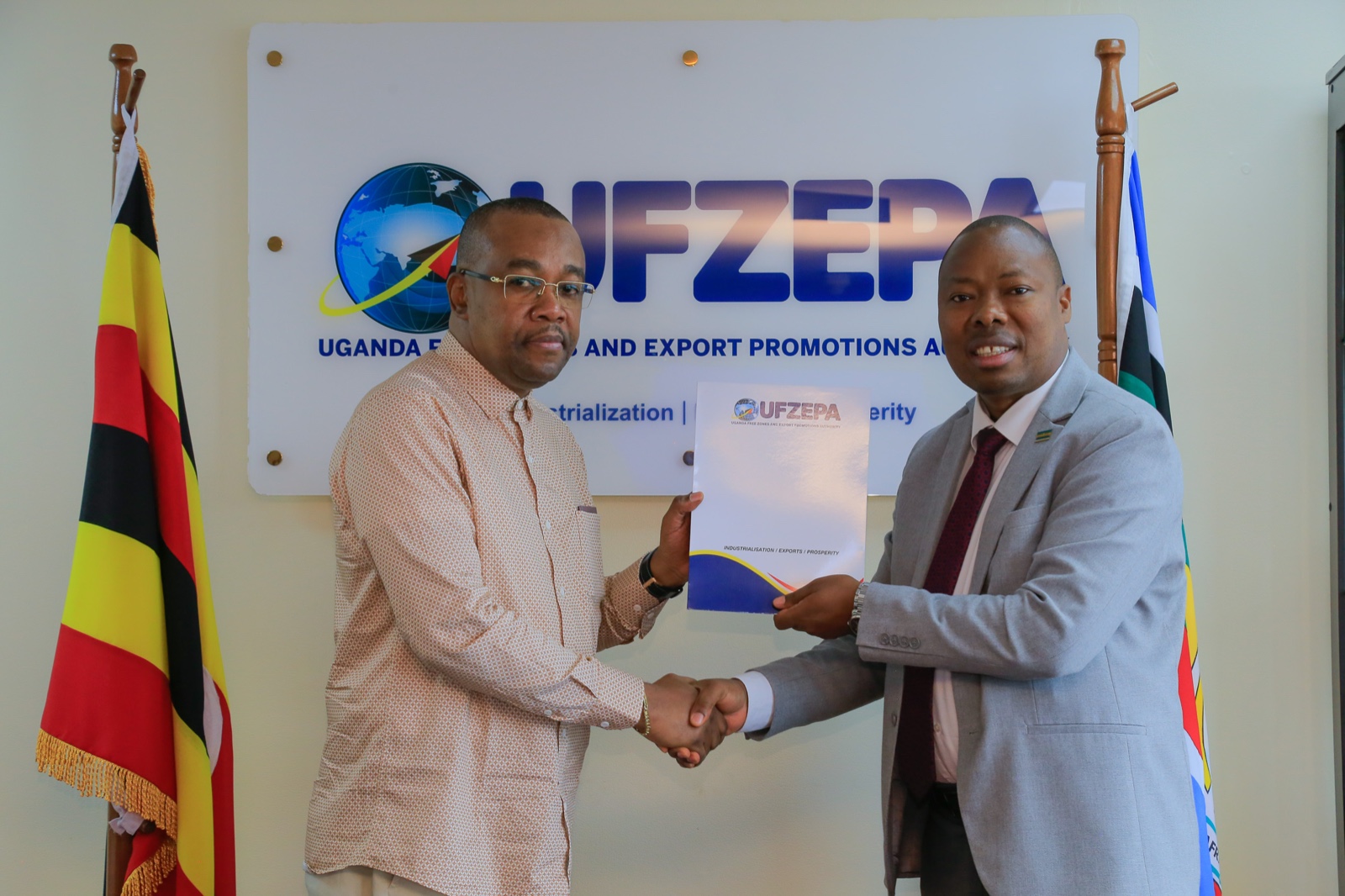
As part of implementation efforts, an ANAPEX delegation led by Managing Director Mike Tambwe Lubembwa visited UFZEPA offices in Kampala to discuss operational frameworks for the agreement.
The discussions focused on aligning institutional priorities, identifying key export products, and strengthening coordination mechanisms for cross-border trade facilitation.
Officials from both sides emphasised the need for continuous technical engagement to ensure that the MoU translates into measurable economic outcomes.
The partnership comes amid ongoing efforts by Uganda and the DRC to deepen economic cooperation under regional integration frameworks, including the East African Community (EAC).
Both governments have repeatedly emphasised the importance of improving transport infrastructure, reducing trade barriers and promoting private sector participation to unlock economic opportunities.
Analysts say the new agreement could further position Uganda as a key trade gateway to eastern DRC markets, while expanding opportunities for Congolese exporters within the wider East African region.
Government officials say the MoU is expected to stimulate investment flows, strengthen industrial linkages and create employment opportunities in export-oriented sectors.
The agreement also reflects a broader shift towards structured trade partnerships aimed at reducing informality and improving revenue collection through formal export channels.
Stakeholders are now expected to begin implementation through joint technical committees tasked with overseeing progress and coordinating activities between the two countries.
As implementation begins, both Uganda and the DRC have pledged continued cooperation to ensure the agreement delivers tangible benefits for businesses and citizens across the region.