















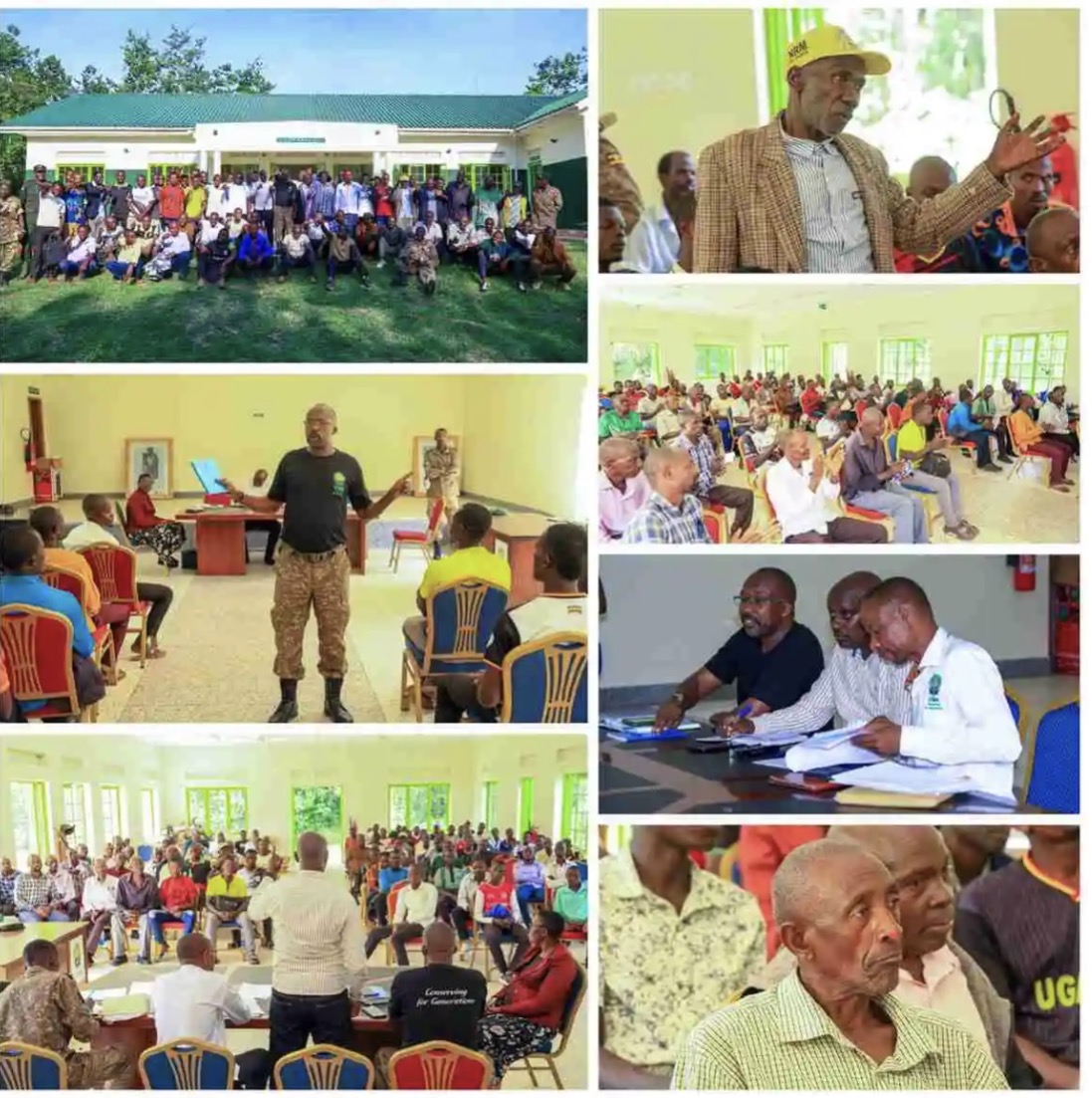
The Uganda Wildlife Authority (UWA) has stepped up efforts to strengthen community-led conservation by training wildlife scouts from communities surrounding the Kibale Conservation Area, equipping them with the knowledge and skills needed to support biodiversity conservation and combat illegal wildlife activities.
The capacity-building training, held at the Multipurpose Hall in Mainaro, brought together community wildlife scouts from the neighbouring districts of Kamwenge, Kabarole and Bunyangabu. The initiative is part of UWA’s broader strategy to empower communities living adjacent to protected areas to become active partners in safeguarding Uganda’s natural heritage.
Kibale Conservation Area, internationally recognised for its rich biodiversity and one of Africa’s highest densities of chimpanzees, is among Uganda’s most important conservation landscapes. The protected area is also home to hundreds of bird species, diverse mammals and indigenous tree species that contribute significantly to the country’s tourism industry and environmental sustainability.
Addressing the participants, UWA officials emphasized that successful wildlife conservation extends beyond the boundaries of national parks and forest reserves. They noted that long-term conservation depends on informed and empowered communities that understand the value of protecting wildlife and natural ecosystems while working closely with conservation authorities.
The wildlife scouts were reminded that they serve as the critical link between UWA and communities neighbouring Kibale Conservation Area. Their responsibilities include promoting conservation awareness, reporting illegal activities such as poaching, illegal logging and forest encroachment, educating residents on wildlife protection, and fostering peaceful coexistence between people and wildlife.
Recognising the sensitive nature of their work, UWA urged the scouts to carry out their duties with professionalism, integrity and discretion. Officials stressed the importance of maintaining confidentiality while gathering and sharing intelligence on wildlife crimes, noting that protecting the identity of community informants is essential for their safety and the effectiveness of law enforcement operations.
The authority further encouraged the scouts to build trust within their communities by acting as responsible conservation ambassadors who promote sustainable use of natural resources and encourage local participation in protecting Uganda’s biodiversity.
According to UWA, strengthening community participation remains one of the most effective approaches to reducing illegal wildlife activities while ensuring that neighbouring communities appreciate the ecological and economic benefits associated with protected areas.
The training also provided participants with practical guidance on identifying wildlife offences, community engagement, conflict prevention and the legal framework governing wildlife conservation in Uganda.
UWA said the programme forms part of a nationwide initiative aimed at strengthening grassroots conservation networks across the country’s protected areas. Following the Kibale training, similar capacity-building sessions will be conducted at Semuliki National Park for additional wildlife scouts from the Kibale Conservation Area landscape.
The initiative will subsequently be extended to the Bwindi Mgahinga Conservation Area (BMCA), further expanding UWA’s network of community-based conservation ambassadors and reinforcing partnerships with communities living near protected areas.
As Uganda continues to position itself as a leading wildlife tourism destination, UWA believes that empowering communities to actively participate in conservation is essential for safeguarding the country’s forests, wildlife and ecosystems for future generations.
The authority reaffirmed its commitment to working closely with local communities, development partners and other stakeholders to promote sustainable conservation practices that benefit both people and wildlife, ensuring that Uganda’s unique biodiversity remains protected while supporting livelihoods and national development.