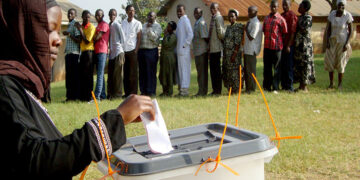









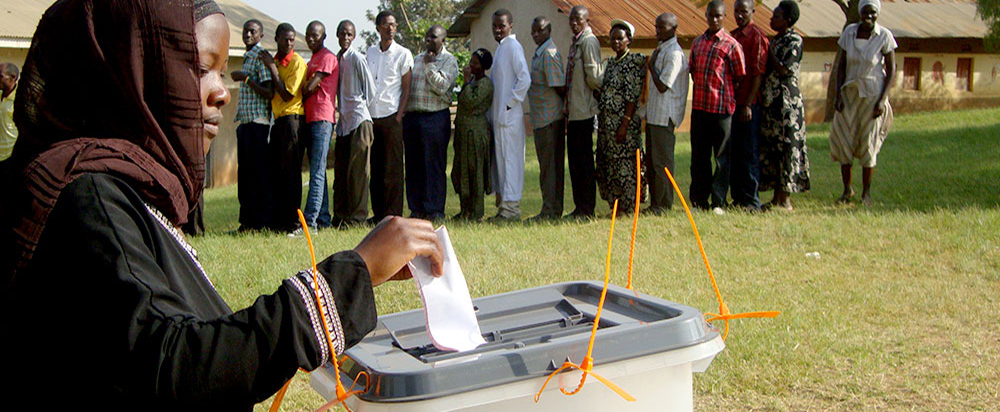
KAMPALA: Members of Parliament have asked the government to consider declaring July 23, 2026, a public holiday to enable more Ugandans to participate in the forthcoming Women Council elections and improve voter turnout at the grassroots level.
The proposal was raised during a parliamentary sitting on July 9, where lawmakers argued that many citizens, especially women and people in formal employment, could struggle to travel to their registered voting areas without time off work.
The MPs said granting a public holiday would allow voters to return to their villages and take part in choosing their representatives, arguing that strong participation at the local level is essential for strengthening Uganda’s decentralised governance system.
Responding to the proposal, Deputy Attorney General Jackson Kafuuzi said the request was important but clarified that the Ministry of Justice and Constitutional Affairs does not have the mandate to declare public holidays.
“The suggestion that July 23 should be made a public holiday because it is designated for Women Council elections is one I cannot implement. Through the Prime Minister, I will present it to Cabinet for consideration and await its decision,” Mr Kafuuzi told Parliament.
Under the Public Holidays Act, the authority to declare public holidays rests with Cabinet, while Parliament provides oversight on national programmes and government preparedness.
Wakiso District Woman MP Ethel Naluyima said women, who account for more than half of Uganda’s population, deserve sufficient opportunity to participate in electing their leaders.
“Women constitute over 51 percent of Uganda’s population. They deserve a day dedicated to electing their leaders. We also need to consider working Ugandans who may not have enough time to travel home and vote,” she said.
Other legislators said increasing participation in grassroots elections would strengthen local leadership since Local Council officials remain the closest government representatives to citizens.
The debate also highlighted concerns over the working conditions of Local Council leaders, with lawmakers calling for improved support and infrastructure for village-level administration.
Rukiga District Woman MP Sylvia Alinaitwe questioned why many Local Council I leaders continue operating from private homes or temporary spaces despite their role in implementing government programmes.
“Most LC1 offices operate from people’s homes or even under trees. Isn’t it time government provided funds to construct proper offices or pay rent?” she asked.
Deputy Attorney General Kafuuzi also informed Parliament that candidates contesting Local Council positions would not pay nomination fees or be required to present academic qualifications, measures aimed at encouraging wider participation.
The Electoral Commission has outlined allowances for election officials ahead of the polls. Sub-county election officials will receive Shs546,000 per month for two months, while parish officials will receive Shs288,125 monthly. Village election officials will be paid Shs10,000 per day during voter registration and display of the voters’ register.
On polling day, presiding officers will receive Shs30,000, while polling assistants and election orderlies will each receive Shs20,000.
However, MPs raised concerns about the Electoral Commission’s preparedness, including the training of election officials and security arrangements.
Arua District Woman MP Lillian Paparu questioned whether relying on officials trained during previous elections would be sufficient, warning that some may have relocated or become unavailable.
Katikamu South MP Hassan Kirumira also raised concerns about possible violence and disruptions during grassroots elections, urging security agencies to ensure a peaceful voting environment.
The Local Council and Women Council elections are part of the Electoral Commission’s roadmap for Uganda’s 2026–2031 electoral cycle and are expected to strengthen citizen participation in local governance.
The matter now awaits Cabinet consideration, with MPs insisting that voter accessibility, adequate funding, proper training of officials and security preparedness will determine the success of the grassroots elections.