









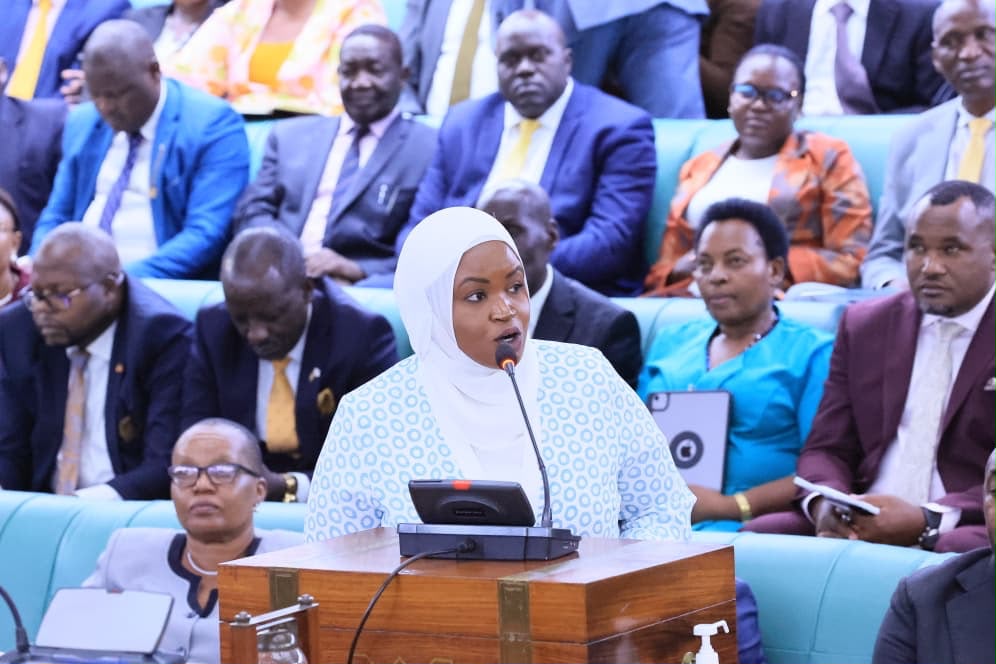
KAMPALA — Sironko District Woman Member of Parliament, Hon. Mafabi Asha Nabulo, has urged the government to strengthen malaria diagnosis and treatment in schools, warning that delayed detection and inadequate medical care continue to expose learners to preventable illness and death.
Speaking during a plenary sitting of Parliament on Wednesday, Hon. Nabulo said schools have become key locations where malaria cases are increasingly reported, yet many lack the capacity to diagnose and manage the disease effectively.
She noted that malaria prevalence has risen significantly in recent years, arguing that figures often cited in public discussions no longer reflect the current situation.
“The prevalence is no longer 10 percent. Those were statistics from 2019, and it has since increased,” she told Parliament.
Hon. Nabulo expressed concern that some schools respond to learners presenting with fever and headaches by administering painkillers without first conducting malaria tests. She said such practices delay proper treatment and increase the likelihood of severe illness.
According to the legislator, strengthening school health services should be a priority to ensure children receive timely diagnosis and appropriate treatment before their conditions worsen.
She called on the Ministries of Health and Education to work together to improve malaria management in educational institutions by establishing functional sick bays, providing rapid diagnostic kits, training school health personnel, and strengthening referral systems for severe cases.
The debate in Parliament also highlighted the role schools play in malaria transmission. Members heard that many school-age children may carry malaria parasites without showing symptoms, making schools an important point for surveillance and disease control.
Uganda remains among the countries with the highest malaria burden globally. Recent findings from the Uganda Malaria Indicator Survey 2024–2025 indicate that malaria parasite prevalence among children aged six to 59 months stands at about 21 percent, compared with 9 percent recorded in the 2018–2019 survey.
Health experts attribute the increase in severe malaria cases to delayed diagnosis, inadequate treatment, and poor health-seeking practices, despite the disease being preventable and treatable.
Hon. Nabulo said protecting learners from malaria requires coordinated action by government, schools, parents, and health authorities, emphasizing that improving school-based health services is essential for safeguarding children’s well-being and supporting uninterrupted learning.