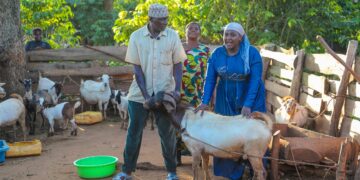









Luwero District — Beneficiaries of the Office of the National Chairman (ONC) Empowerment Programme in Luwero District are reporting significant improvements in household incomes, business expansion and job creation, according to findings from an ongoing monitoring exercise led by ONC Manager Hajjat Hadijah Namyalo Uzeiye.
The monitoring exercise, conducted across Katikamu Sub-county and Wobulenzi Town Council, seeks to assess the impact of government wealth-creation interventions and establish whether beneficiaries are translating the support received into sustainable economic enterprises.
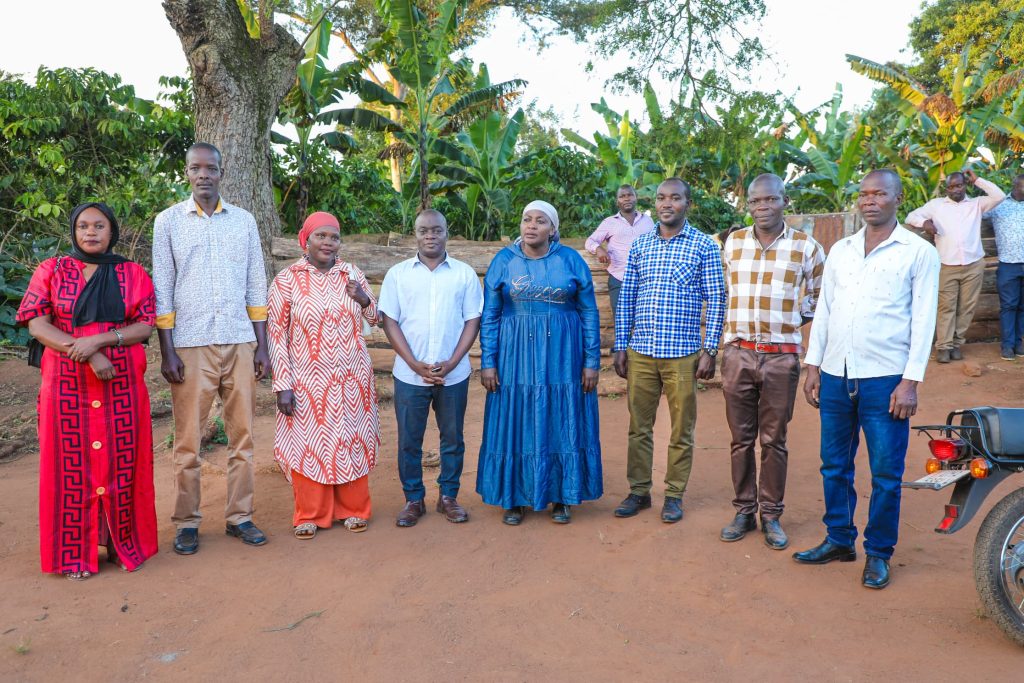
During the visit, Hajjat Namyalo met several beneficiaries engaged in livestock farming, poultry production and small-scale businesses, many of whom have expanded their projects beyond the initial support they received.
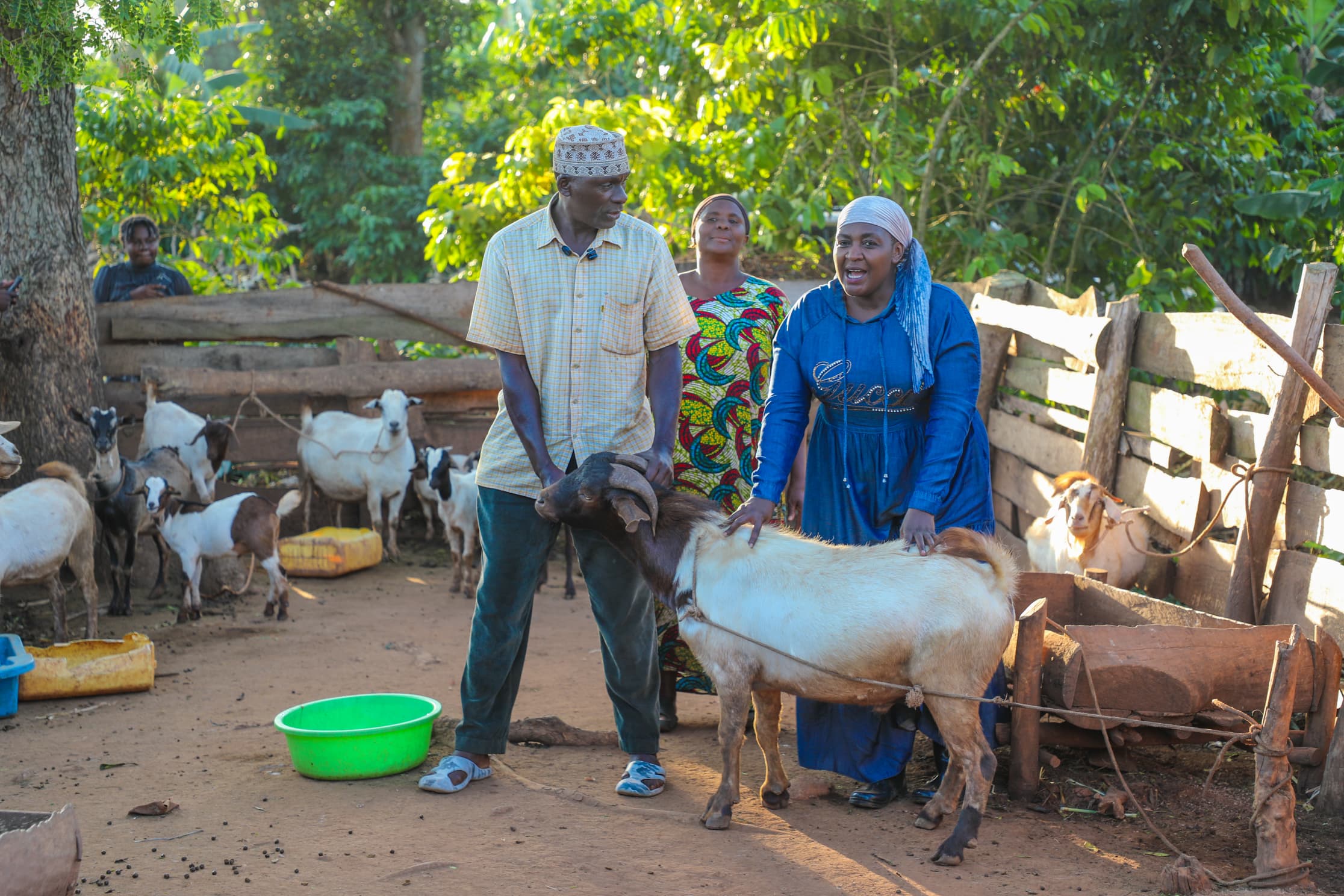
One of the beneficiaries visited was Mr Sulaiman Kanyike of Kigoloba Village in Lutembe Parish, Katikamu Sub-county. Mr Kanyike received two goats—one male and one female—under the ONC empowerment programme in 2023. Three years later, his herd has grown to 20 goats.
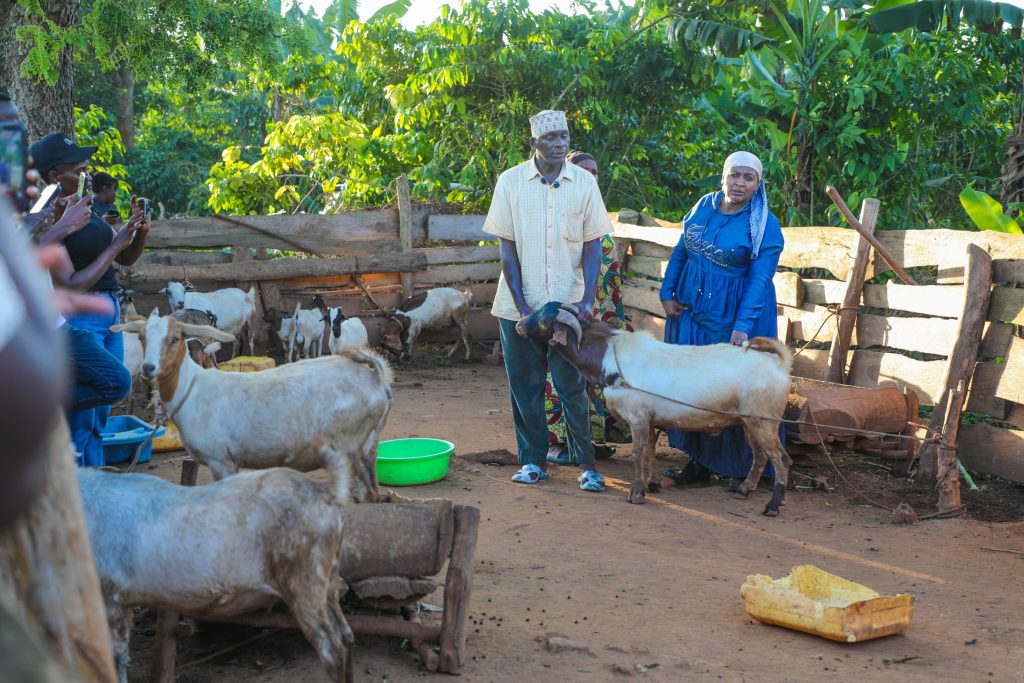
He said the project has become a reliable source of income for his family while also supporting his crop farming activities.
Mr Kanyike has integrated livestock farming with coffee and banana production, using crop residues as animal feed and goat manure to improve soil fertility and crop yields.
“The support changed my life. I thank President Museveni and Hajjat Namyalo for bringing empowerment opportunities closer to ordinary people. Government programmes can transform lives if beneficiaries utilise them well,” he said.
Hajjat Namyalo described his progress as evidence that small-scale livestock projects can generate meaningful economic returns when managed effectively.
The monitoring team also visited HK Beauty Salon in Modern Zone, Wobulenzi Town Council, a business that benefited from two hair dryers provided through the ONC empowerment programme.
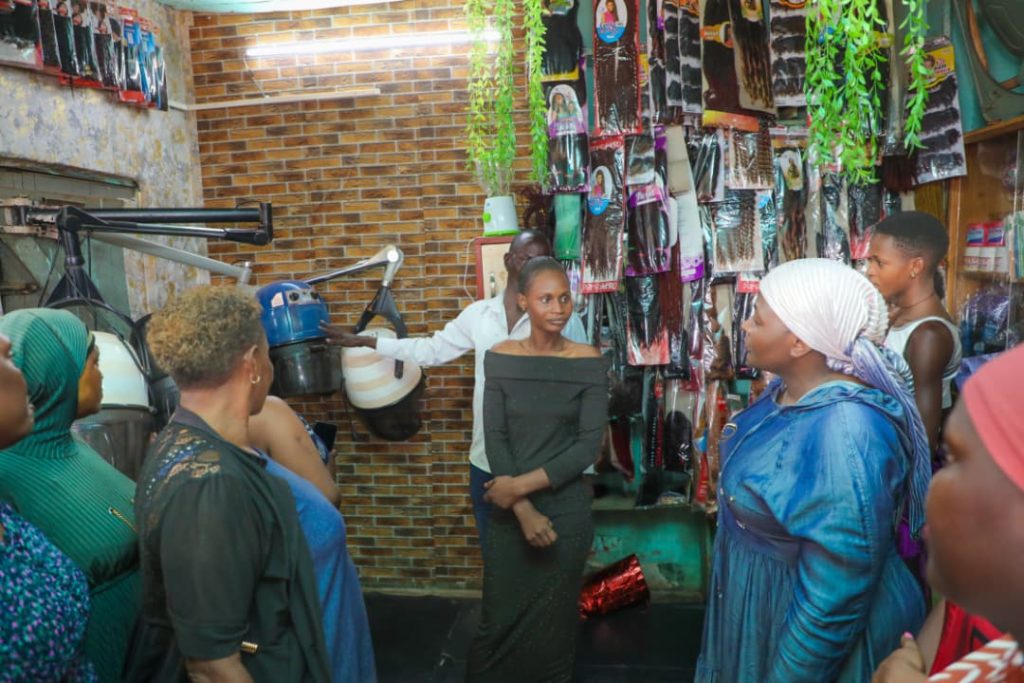
The salon has since expanded its operations and now serves as a skills-training centre for young people, with 15 learners currently undergoing training in hairdressing and beauty therapy.
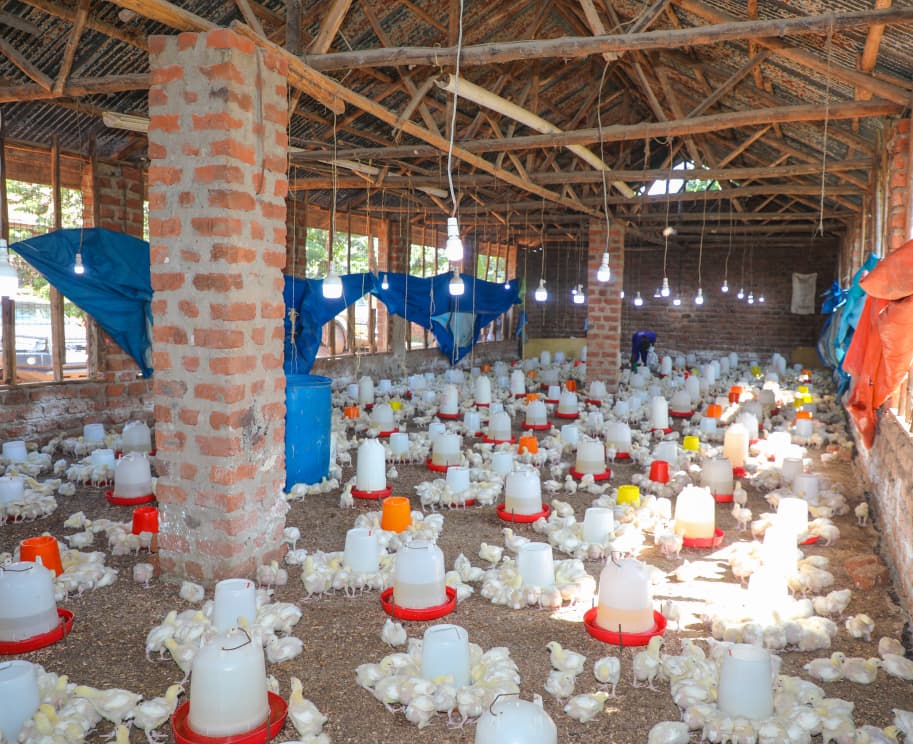
Another beneficiary, Ms Wasswa Liz, has recorded remarkable growth in poultry farming after receiving 200 chicks, poultry feeds and technical support through the programme.
She has expanded her enterprise to approximately 1,300 broiler chickens and says she now earns about Shs1.5 million in profit per production cycle.
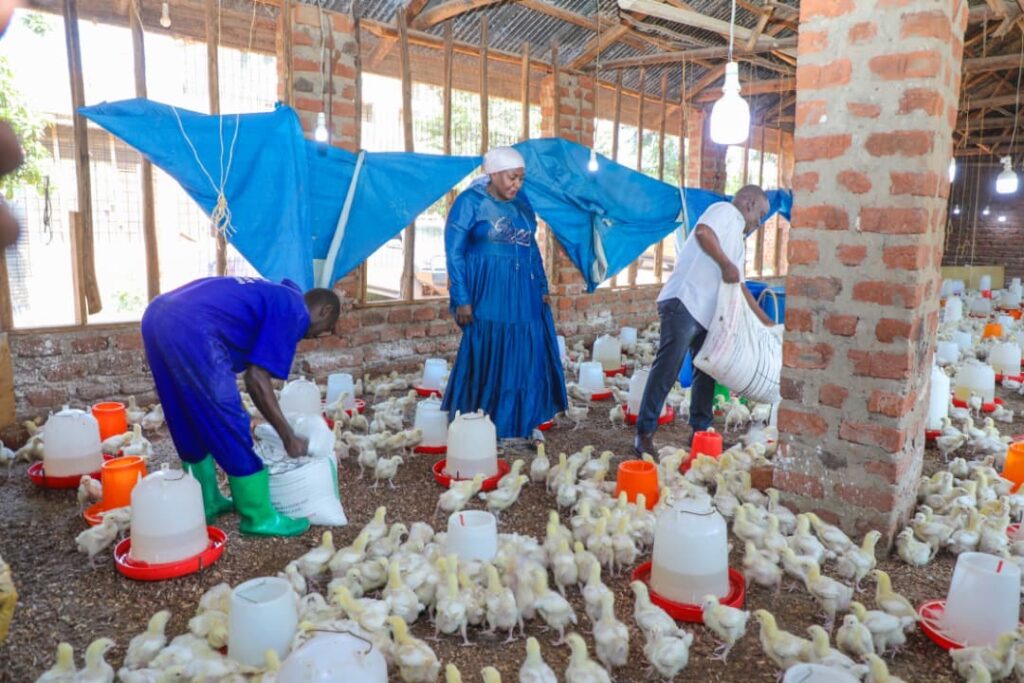
Ms Liz said the business has improved her family’s welfare by enabling her to pay school fees and meet household needs.
“All my children are now in school and we can provide meals consistently. The market is available and with additional support I can expand to 3,000 birds,” she said.
She credited the programme for helping her transition from subsistence farming to commercial poultry production.
The team also visited Mr Tandeba John, who initially received 200 broiler chicks under the programme. Seeking a more sustainable enterprise, he later shifted to rearing Kuroiler chickens, a breed valued for both egg and meat production.
Mr Tandeba currently keeps about 260 birds and earns between Shs400,000 and Shs500,000 per month from poultry-related sales.
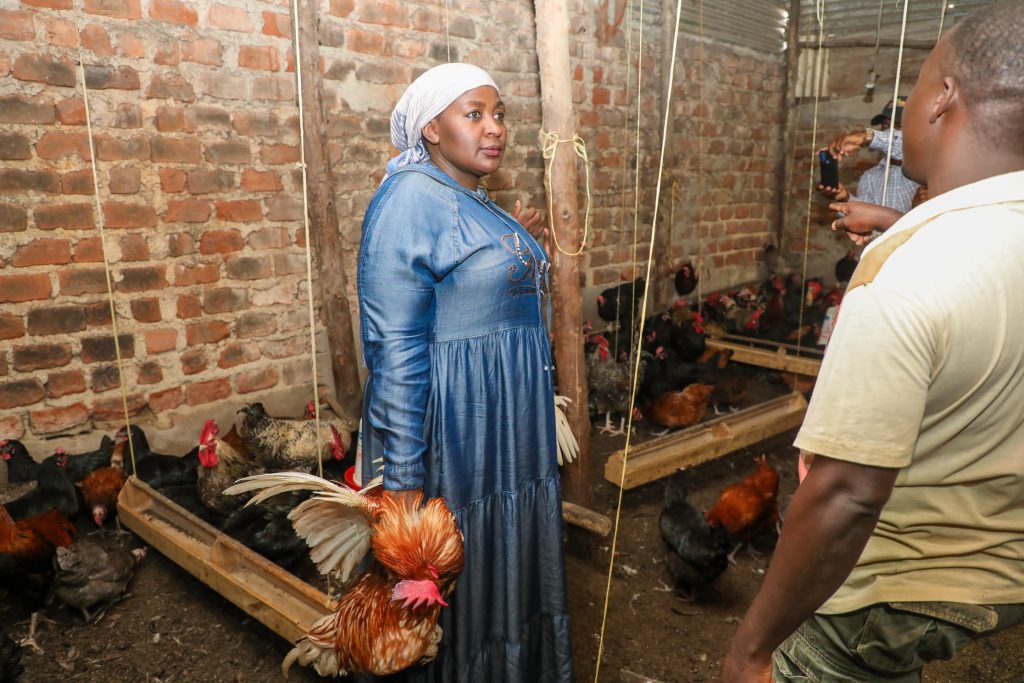
He said poultry farming has strengthened his household income, although inadequate housing remains a major challenge limiting expansion.
“I encourage young people to embrace such projects because they can genuinely fight poverty and provide sustainable sources of income,” he said.
Addressing beneficiaries during the exercise, Hajjat Namyalo commended them for effectively utilising the support provided and reinvesting in their enterprises.
She said the progress recorded by beneficiaries demonstrates the potential of empowerment programmes to improve household incomes and stimulate local economic activity.
“The results we are witnessing show that when beneficiaries remain committed and manage their projects responsibly, government interventions can create lasting economic transformation at community level,” she said.
She encouraged Ugandans, particularly young people, to take advantage of government wealth-creation initiatives, including the ONC empowerment programme and the Parish Development Model (PDM).
According to Hajjat Namyalo, the purpose of the monitoring exercise is to evaluate whether government support programmes are delivering measurable improvements in the lives of beneficiaries.
“We want to establish whether beneficiaries have registered tangible progress and identify any challenges that may require intervention. Monitoring allows us to assess the effectiveness of these programmes and strengthen implementation where necessary,” she said.
She added that the assessment will continue across the country to document success stories, identify obstacles affecting beneficiaries and enhance the impact of government wealth-creation initiatives.
The experiences of beneficiaries such as Mr Kanyike, Ms Liz and Mr Tandeba illustrate how modest start-up support, when combined with proper management and commitment, can contribute to increased incomes, enterprise growth and improved household livelihoods.
As government continues to promote wealth-creation programmes, such stories are increasingly being cited as examples of efforts aimed at expanding economic participation and reducing poverty at the grassroots level.