









Kampala — The removal of former Eswatini consul to Uganda, Amb. Quillino Bamwine, has brought renewed scrutiny to the troubled Shs 86 billion Kabuyanda earth dam project in Isingiro District, with emerging details pointing to a complex web of commercial disputes, failed negotiations, and diplomatic tensions.
What began as a promising cross-border infrastructure partnership has since degenerated into a protracted legal and political standoff, ultimately costing Bamwine his diplomatic post.
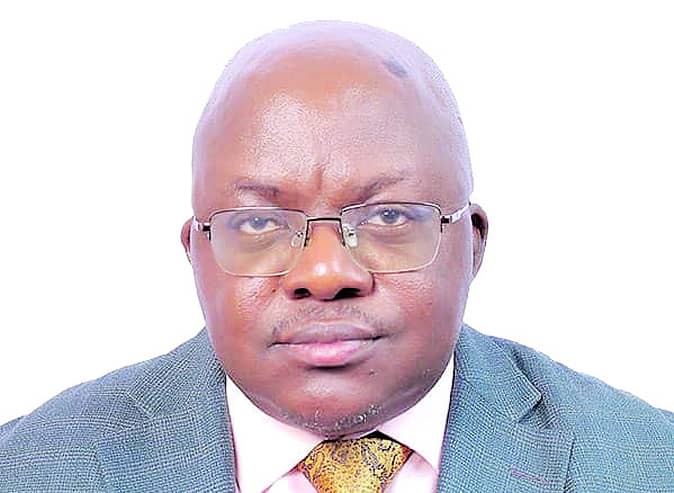
In a letter dated October 31, 2025, the Kingdom of Eswatini formally revoked Bamwine’s appointment. The communication, signed by Ambassador Mahlaba A. Mamba, cited allegations of “extortion, fraud, and a criminal land transaction,” and noted that he had failed to respond to prior warnings.
However, sources familiar with the matter indicate that Bamwine’s dismissal may be closely linked to his role in attempting to mediate the Kabuyanda dam dispute—an intervention that reportedly placed him at odds with powerful interests.
When contacted, Bamwine declined to comment, citing ongoing investigations.
“I am not in a position to discuss those matters until the conclusion of the investigation. I will give my side of the story when the dust has settled,” he said.
Genesis of the dispute
The roots of the conflict trace back to 2022, when Uganda’s Plinth Technical Services entered into a partnership with Eswatini-based Inyatsi Construction Ltd for the dam’s construction.
Relations between the two firms deteriorated in October 2023 after Inyatsi terminated Plinth’s subcontract, triggering threats of legal action. The dispute was subsequently referred to the International Chamber of Commerce (ICC) for arbitration before Inyatsi withdrew from the project altogether.
Plinth later sought redress in Ugandan courts, securing an order blocking a Shs 21.2 billion payment to Inyatsi and compelling the contractor to provide Shs 5 billion as security for costs. Although the ruling was later overturned, the legal battles left the project stalled and financially exposed.
Bamwine’s intervention
Amid the impasse, Bamwine was reportedly approached by Plinth’s legal team to leverage his diplomatic connections in resolving the dispute and facilitating the contractor’s return to site.
His efforts focused on brokering a settlement between the two parties while safeguarding progress on a project that had already absorbed significant public funds, including a reported Shs 24 billion advance payment.
Sources indicate that Bamwine led a Ugandan delegation to Eswatini earlier this year in a bid to secure a breakthrough.
“There was a verbal agreement for a $4 million payment to Plinth to settle the dispute,” a source familiar with the negotiations said. “However, the deal collapsed over the issue of guarantees, with Plinth insisting on firm assurances that were not forthcoming.”
Bamwine is said to have pushed for at least a $2 million upfront payment as part of the settlement framework—a position that reportedly triggered tensions within Eswatini’s leadership circles.
“After failing to secure the down payment, he was accused of not adequately protecting Eswatini’s interests, which was his primary mandate,” a source close to the discussions said.
As negotiations faltered, attention shifted from the commercial dispute to allegations of misconduct against Bamwine.
“The narrative quickly changed. What began as a contractual dispute evolved into accusations of impropriety, with Bamwine becoming the focal point,” another source noted.
Power dynamics and pressure
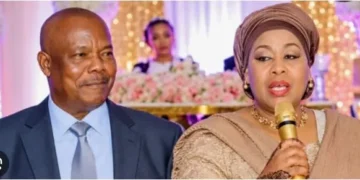
The dispute is further complicated by high-level connections within Eswatini’s political establishment. Michelo Shakantu, head of Inyatsi Construction Ltd, is married to the country’s Minister of Foreign Affairs, Ms Pholile Dlamini-Shakantu—whose docket includes oversight of diplomatic appointments.
Sources suggest that reports submitted to the ministry portrayed Bamwine as having exceeded his diplomatic mandate, contributing to mounting pressure for decisive action.
“The matter was highly sensitive, given the individuals involved. There was significant pressure to act,” a source familiar with the developments said.
Uncertain outcome
By press time, efforts to obtain additional comment from Bamwine had not yielded results.
While official communication cites allegations of fraud and extortion, insiders maintain that the fallout from the Kabuyanda dam dispute was a decisive factor in his removal.
The matter remains under arbitration before the ICC, leaving the future of the dam project—and the reputations of those involved—hanging in the balance.