








By Infora Media
President Yoweri Kaguta Museveni has formally submitted his response to the Supreme Court, urging judges to dismiss a presidential election petition filed by an opposition candidate, marking the official start of Uganda’s latest post-election legal contest.
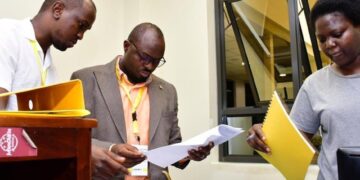
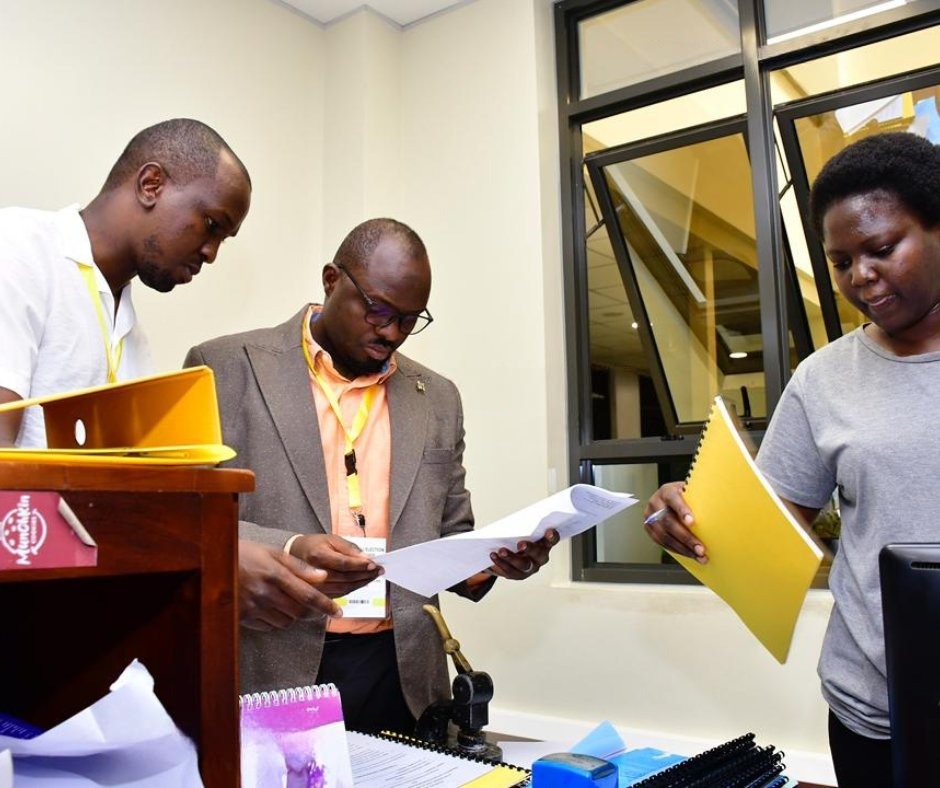
The response was delivered to the court on Monday, January 26, 2026, by lawyers Anthony Bazira and Usaama Sebuufu on behalf of the President, who was recently declared winner of the January 15 presidential election by the Uganda Electoral Commission.
In the filing, President Museveni, through his legal team, firmly rejects all allegations contained in the petition and insists that the election was conducted in full compliance with the Constitution and electoral laws. He is also seeking legal costs from the petitioner.
According to results announced by the Electoral Commission on January 17, Museveni garnered 7,946,772 votes, representing 71.65 percent of the total valid ballots cast.
The commission recorded more than 11 million ballots in the January 15 poll, reflecting a voter turnout of 52 percent. The victory secured Museveni a seventh elective term, extending his rule that began in 1986 and reinforcing the continued dominance of the National Resistance Movement (NRM) in Uganda’s political landscape.
The petition was filed by Robert Kasibante of the Peasants Party, who placed sixth in the race with 33,440 votes. He is challenging both the manner in which the election was conducted and the subsequent declaration of Museveni as the winner.
Central to Kasibante’s complaint are concerns over the Biometric Voter Verification Systems, with claims that technical failures undermined transparency and compromised the credibility of the voting process.
The Electoral Commission, led by Justice Simon Byabakama, has defended the conduct of the election, describing it as largely peaceful and successful. While acknowledging isolated technical difficulties with biometric devices, the commission said backup procedures, including manual voter verification, were implemented to prevent disenfranchisement.
The presidential race featured eight candidates, among them National Unity Platform leader Robert Kyagulanyi, who finished second, Forum for Democratic Change’s Nathan Nandala Mafabi, and Alliance for National Transformation leader, retired Maj Gen Gregory Mugisha Muntu.
Presidential election petitions have become a recurring feature of Uganda’s electoral process. Museveni has previously faced similar legal challenges after the 2001, 2006, 2011, 2016, and 2021 elections — all of which were dismissed by the Supreme Court.
Under Uganda’s Constitution, the Supreme Court must hear and determine a presidential election petition within 30 days of its filing. The court has not yet issued a detailed hearing schedule, but the case is expected to attract significant public and political attention as proceedings begin.