











By Infora Media
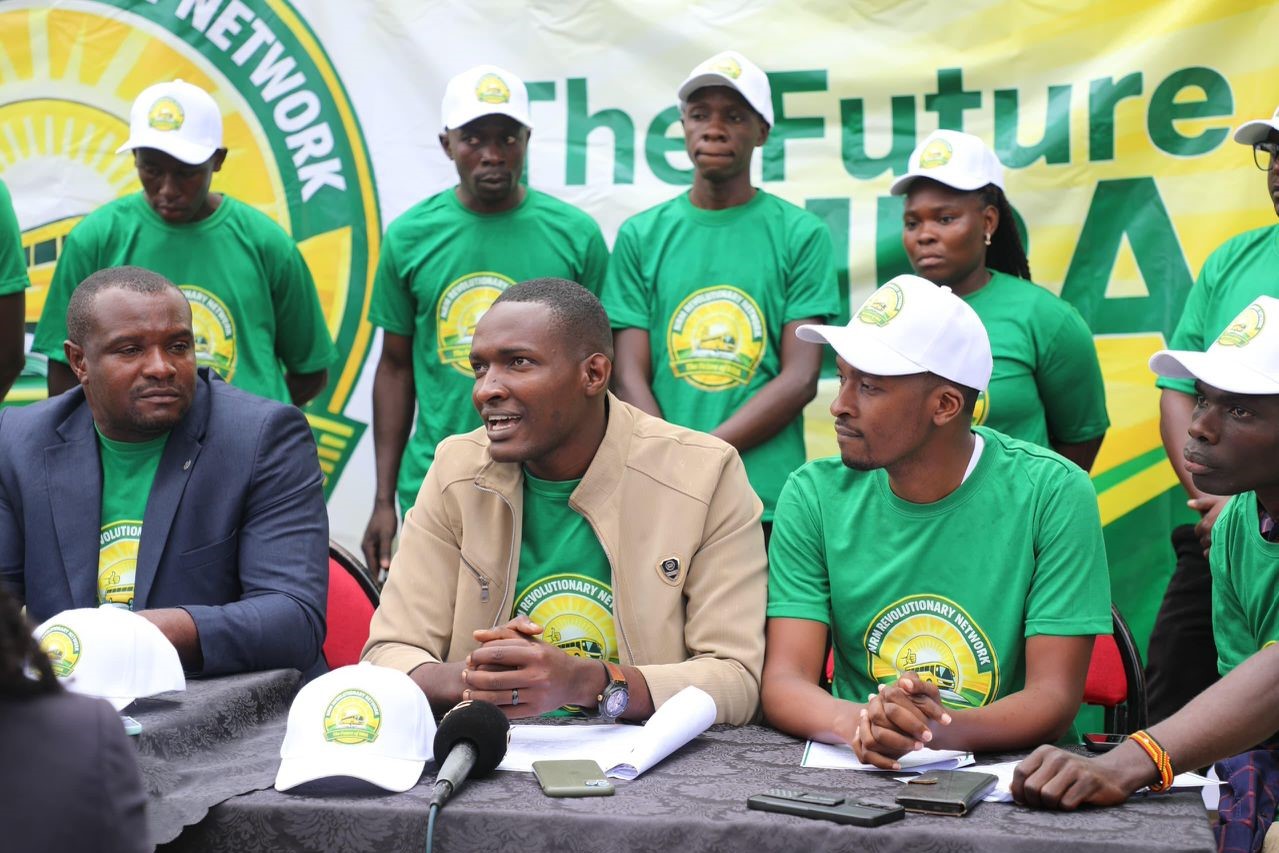
A set of reform proposals by a youth platform within the ruling National Resistance Movement has opened a new front in the debate over how Uganda is governed, highlighting concerns about the cost of politics, internal party democracy and the credibility of oversight institutions.
The proposals, advanced by the NRM Revolutionary Network (NRN), come at a time when the ruling party is grappling with generational transition pressures and persistent public criticism over governance, corruption and the rising cost of elections.
At the centre of the debate is a suggestion to reconsider how Uganda elects its President, with the youth group floating the idea of replacing direct presidential elections with a parliamentary-based model. “Nationwide presidential campaigns have become some of the most expensive political undertakings, draining enormous resources,” the NRN said in a statement, adding that a parliamentary-based model would “shift focus from populism to policy, and promote more structured, issue-based leadership competition.”
While the proposal remains exploratory, it taps into long-standing concerns among policymakers and technocrats about the financial and administrative burden of nationwide presidential campaigns, which require heavy security deployment and extensive logistical support. The group cited countries such as South Africa and India as examples, saying these systems have “provided stability, cost efficiency, and institutional order, values Uganda must now prioritise.”
Beyond electoral mechanics, the proposals also reflect unease over decision-making structures within the NRM itself. The NRN called for greater internal party democracy, stating that “the Secretary General, Deputy Secretary General, Treasurer, and the NRM Electoral Commission leadership should be elected by the party’s Delegates Conference, just like other structure leaders at the national level.”
Political analysts note that internal party democracy has increasingly become a point of contention within dominant parties across the region, particularly as younger cadres seek greater influence in shaping policy direction and leadership succession.
The youth platform’s proposals on accountability institutions are equally sensitive. By suggesting that qualified opposition figures be considered for key oversight roles, the group said, “Fighting corruption and mismanagement must be a national mission, not a partisan one.” Supporters argue that public confidence in anti-corruption efforts depends not only on legal frameworks but also on the perceived independence of institutions. Sceptics, however, caution that bipartisan appointments alone may not overcome entrenched structural weaknesses.
Proposed changes to the process of endorsing parliamentary leadership further underline broader questions about where political authority resides within the ruling party. The NRN urged that “the endorsement of candidates for Speaker and Deputy Speaker of Parliament be a decision of the full NRM Parliamentary Caucus, not a preserve of a small group of top party figures.”
Taken together, the proposals illustrate a generational attempt to redefine how power is exercised within both the NRM and the state. Whether the ideas translate into policy change remains uncertain, but their emergence highlights an internal debate that the party may find increasingly difficult to ignore.